
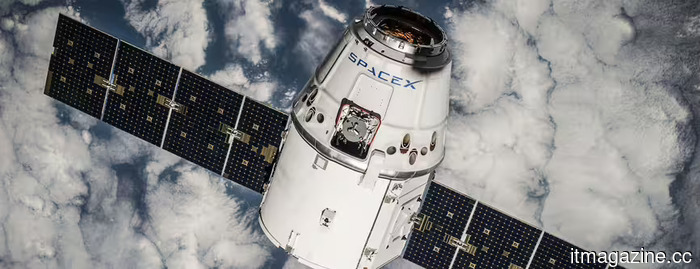
SpaceX reduces IPO target to $1.8 trillion, with marketing commencing on June 4.
TL;DR: SpaceX has revised its IPO valuation target down from over $2 trillion to at least $1.8 trillion following discussions with investors. Marketing is set to kick off on 4 June, with pricing potentially occurring as early as 11 June. The company reported $18.7 billion in revenue for 2025 but recorded a $4.94 billion loss after acquiring xAI.
SpaceX is now aiming for a valuation of no less than $1.8 trillion in its initial public offering, a decrease from the previous target exceeding $2 trillion set just a few months ago, as reported by Bloomberg. This adjustment was made after conversations with advisers and investors and may still increase based on investor feedback during the formal marketing period starting on 4 June, with pricing expecting to happen around 11 June.
The company hopes to raise up to $75 billion in this offering, which would mark the largest IPO in history. SpaceX plans to list on Nasdaq and Nasdaq Texas under the ticker SPCX, led by Goldman Sachs, Morgan Stanley, Bank of America, Citigroup, and JPMorgan, along with 18 other banks.
The figures behind the proposal
SpaceX's S-1 filing on 20 May showed a rapidly growing company that has yet to achieve profitability at its current scale. Revenue increased from $14 billion in 2024 to $18.7 billion in 2025. However, the company experienced a swing from a profit of $791 million in 2024 to a loss of $4.94 billion last year, primarily due to expenses related to the integration of xAI and the expansion of AI infrastructure.
The acquisition of Elon Musk’s AI company xAI in February, which features the Grok chatbot and the social media platform X, assigned a valuation of $1 trillion to SpaceX and $250 billion to xAI at that time. This merger changed SpaceX's identity from a rocket and satellite internet provider to what its IPO pitch describes as an AI services and infrastructure company with a total addressable market of $28.5 trillion, including orbital data centers and space-based computing.
Why the valuation has decreased
The adjustment from over $2 trillion to $1.8 trillion reflects common practices in IPO pricing rather than a decline in confidence. Companies often set high initial targets and then adjust based on the prices institutional investors indicate they are willing to accept. At $1.8 trillion, SpaceX would still launch as one of the most valuable companies on any stock exchange, surpassing Amazon and trailing only Apple, Nvidia, Microsoft, and Alphabet.
Musk's financial structure could also play a role. The S-1 revealed a $20 billion bridge loan at an interest rate of 4.58%, which replaced $17.5 billion of high-interest junk debt from X and xAI, effectively halving annual interest costs. Musk holds around 79% of the voting power while owning about 42% of equity, a dual-class structure that some investors have identified as a potential governance issue.
Context from the Blue Origin incident
The news of the valuation drop coincided with the explosion of Blue Origin’s New Glenn rocket during a static fire test at Cape Canaveral, which destroyed the vehicle and its launch pad. This event highlights SpaceX's leading position in commercial launches. SpaceX plans to conduct 140 to 145 launches in 2026 and has already carried out more orbital missions than any competitor. Blue Origin had aimed for 8 to 12 launches this year.
SpaceX has faced its own challenges, including a failure of the Starship V3 booster three weeks prior to the IPO filing. However, the company has established sufficient redundancy with multiple pads and a reliable fleet of Falcon 9 rockets, ensuring that individual failures do not significantly affect its commercial operations. Blue Origin's loss of its only New Glenn pad presents a fundamentally different problem.
Next steps
The official marketing phase, known as the roadshow, will provide SpaceX’s management a week to present their case to investors. The pitch focuses on the success of Starlink’s satellite internet service, which generated $10.6 billion in revenue in 2025 and supports more than 10 million subscribers, along with the AI infrastructure goals of the xAI division.
At a valuation of $1.8 trillion, SpaceX would be priced at approximately 96 times its 2025 revenue, indicating expectations from investors for ongoing hypergrowth rather than immediate profitability. The IPO includes a significant 30% allocation for retail investors, a choice that could stimulate demand on the first day but also lead to volatility. The final valuation will depend on the reaction of institutional investors to a company that incurred nearly $5 billion in losses last year but claims to be laying the groundwork for an AI-driven space economy.
Other articles
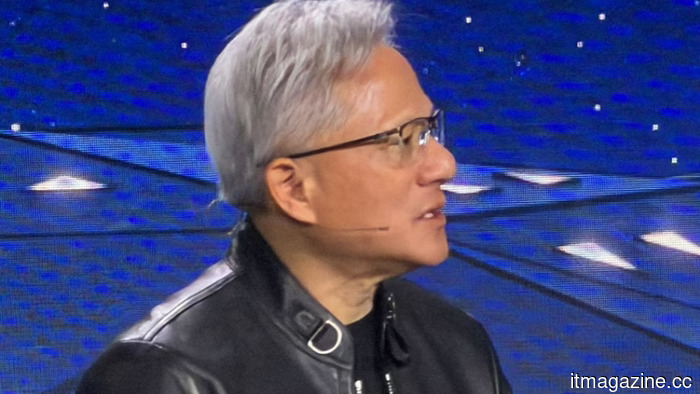 Nvidia invests $6.5 billion in photonics to address the copper bottleneck in AI.
Since March, Nvidia has invested over $6.5 billion in photonics, focusing on companies like Coherent, Lumentum, Marvell, Corning, and Ayar Labs to transition from copper to light in AI data centers.
Nvidia invests $6.5 billion in photonics to address the copper bottleneck in AI.
Since March, Nvidia has invested over $6.5 billion in photonics, focusing on companies like Coherent, Lumentum, Marvell, Corning, and Ayar Labs to transition from copper to light in AI data centers.
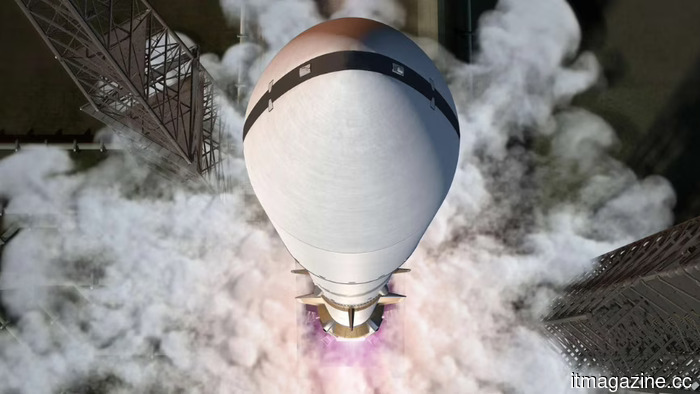 Blue Origin's New Glenn rocket detonates on launch pad in Florida.
Blue Origin's New Glenn detonated during a static fire test at Cape Canaveral, resulting in the destruction of its sole launch pad. This incident jeopardizes Amazon's satellite timeline and the NASA Moon Base contract.
Blue Origin's New Glenn rocket detonates on launch pad in Florida.
Blue Origin's New Glenn detonated during a static fire test at Cape Canaveral, resulting in the destruction of its sole launch pad. This incident jeopardizes Amazon's satellite timeline and the NASA Moon Base contract.
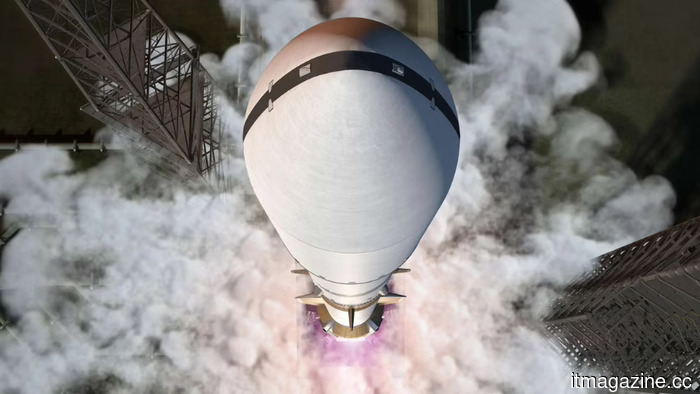 Blue Origin's New Glenn rocket detonates on a launch pad in Florida.
Blue Origin's New Glenn experienced an explosion during a static fire test at Cape Canaveral, leading to the destruction of its sole launch pad. This incident puts Amazon's satellite timeline and NASA's Moon Base contract in jeopardy.
Blue Origin's New Glenn rocket detonates on a launch pad in Florida.
Blue Origin's New Glenn experienced an explosion during a static fire test at Cape Canaveral, leading to the destruction of its sole launch pad. This incident puts Amazon's satellite timeline and NASA's Moon Base contract in jeopardy.
 After a long wait, Spotify will allow you to organize playlist folders on mobile devices.
After a long period of being available solely on desktop, Spotify playlist folders are now accessible on mobile. This update comes alongside features such as bulk editing, background downloads for iOS, and a shuffle button as part of a new series of app enhancements.
After a long wait, Spotify will allow you to organize playlist folders on mobile devices.
After a long period of being available solely on desktop, Spotify playlist folders are now accessible on mobile. This update comes alongside features such as bulk editing, background downloads for iOS, and a shuffle button as part of a new series of app enhancements.
 Asana has purchased Stack AI for $75 million to develop an AI agent platform.
Asana has acquired Stack AI, which is supported by Y Combinator, for an estimated $75 million, integrating no-code AI agents into its platform. In the first quarter, revenue reached $205 million, while its stock is trading 53% lower than in January.
Asana has purchased Stack AI for $75 million to develop an AI agent platform.
Asana has acquired Stack AI, which is supported by Y Combinator, for an estimated $75 million, integrating no-code AI agents into its platform. In the first quarter, revenue reached $205 million, while its stock is trading 53% lower than in January.
 Waymo's latest Ojai robotaxi appears to be designed for the future, and it also features an enhanced brain.
Waymo's Ojai robotaxi combines sleek, futuristic design with an emphasis on accessibility and advanced autonomy. Initial riders are set to experience it soon, while a larger expansion is already in progress.
Waymo's latest Ojai robotaxi appears to be designed for the future, and it also features an enhanced brain.
Waymo's Ojai robotaxi combines sleek, futuristic design with an emphasis on accessibility and advanced autonomy. Initial riders are set to experience it soon, while a larger expansion is already in progress.
SpaceX reduces IPO target to $1.8 trillion, with marketing commencing on June 4.
SpaceX has lowered its IPO valuation estimate from over $2 trillion to a minimum of $1.8 trillion. Marketing efforts will commence on June 4, with pricing potentially occurring as soon as June 11. The projected revenue for 2025 is $18.7 billion, alongside a loss of $4.94 billion.