

Unreal Engine 6 has officially arrived, but I’m still feeling anxious.
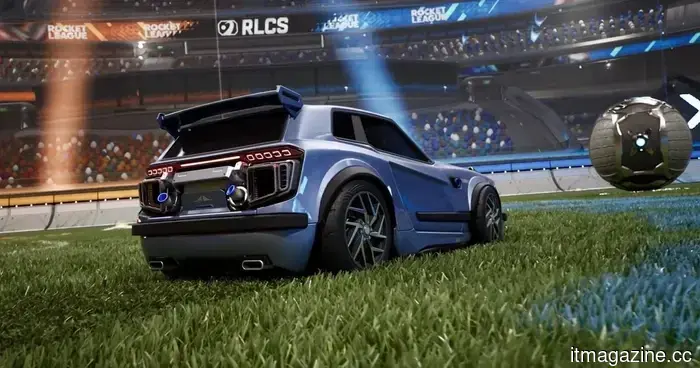
For many years, Unreal Engine has served as the foundation for contemporary AAA gaming. Now, Epic is already gearing up for the next phase, with Rocket League unexpectedly at the forefront. It’s quite impressive, really. After being confined to Unreal Engine 3 for so long, fans of Rocket League are finally set to receive a long-awaited engine upgrade.
Psyonix
The teaser was indeed thrilling. It showcased enhanced visuals, a unified ecosystem, and hinted at what Epic aims to establish as the next chapter in Unreal. However, while excitement is building, I believe I’ll wait a bit longer before fully jumping on board. At this stage, UE6 feels more like a vision of what could be rather than a concrete engine demonstration.
Is UE6 an upgrade for gaming or for the ecosystem?
Thus far, Epic has not clearly outlined what Unreal Engine 6 will mean for gamers. Much of the discussion surrounding the reveal focuses on ecosystem integration, creator tools, and Epic’s wider aspirations for a metaverse.
Rocket League
Tim Sweeney has previously discussed the integration of Verse, Fortnite-inspired economies, and shared creator experiences into the future version of Unreal Engine. That sounds promising theoretically, but what about the existing challenges players face?
Not in 2024, but it’s on the way. UE6 = UE5 + Verse + approximate deployment equivalence into Fortnite and standalone products + metaverse economy + standards + ?? magic TBD.— Tim Sweeney (@TimSweeneyEpic) January 7, 2024
There has been little mention of optimization, CPU efficiency, shader compilation delays, traversal stutters, or addressing the excessive hardware requirements that modern AAA games have become accustomed to. At the moment, UE6 resembles more of an ecosystem enhancement than a significant technological advancement, which is where my doubts begin. While impressive creator tools are appealing, most gamers would likely prioritize smoother frame pacing and reduced stutters.
The honeymoon period with UE5 has come to an end
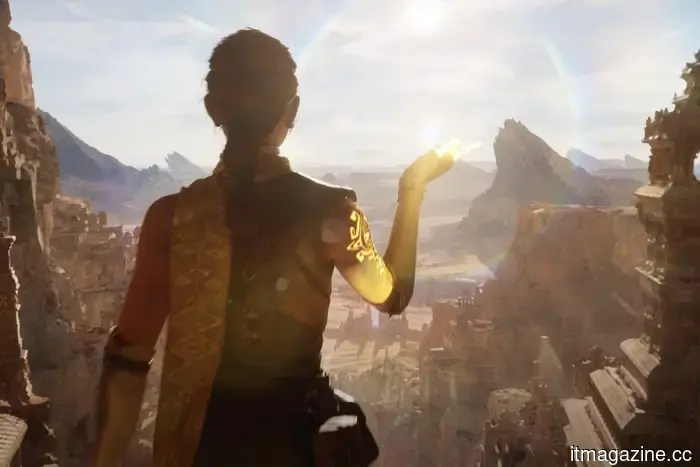
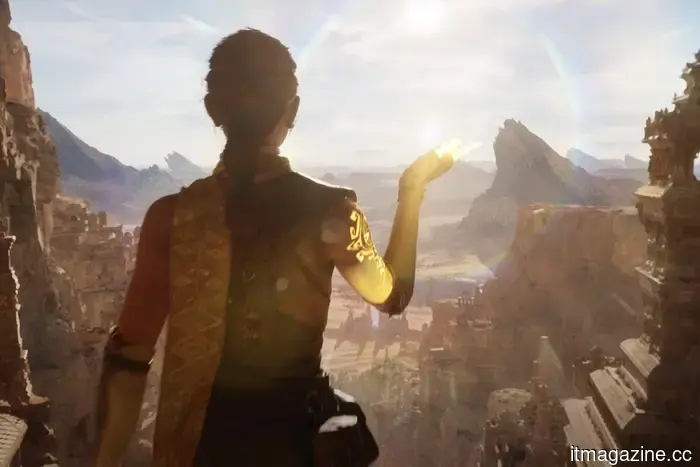
One reason for my caution is related to Unreal Engine 5 itself. When UE5 was initially revealed almost five years ago, it truly seemed groundbreaking. Nanite and Lumen promised to transform visual fidelity across the industry.
Epic Games
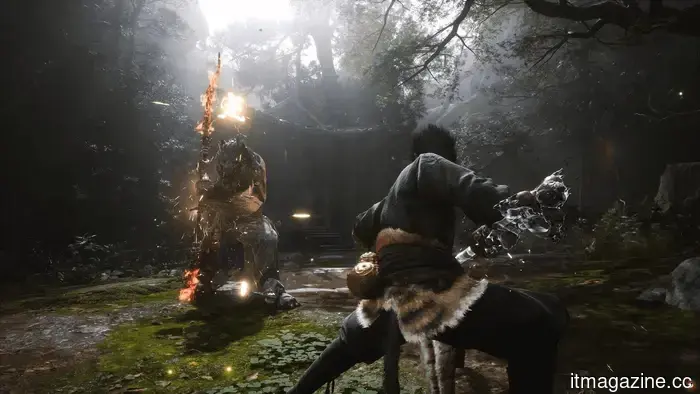
Now, while UE5 games undoubtedly look incredible, optimization issues have emerged as a major complaint. Modern PC gaming increasingly appears to be prioritized on upscalers over native rendering. Technologies like DLSS, FSR, frame generation, and AI-driven performance modes are treated more as essential tools than optional enhancements. Instead of engines becoming lighter and more efficient, gamers are often required to tackle performance issues with more expensive hardware.
Mafia: The Old Country / 2K
This is why the timing of UE6 feels somewhat odd to me. We are just beginning to see developers fully adapt to UE5, and many titles still face issues with shader stutters, erratic frame pacing, and significant CPU demands. Therefore, the critical question arises: are we genuinely addressing these issues, or simply moving on to the next flashy innovation?
Fewer tech buzzwords, more focus on optimization, please
Let me clarify, I want UE6 to thrive. The prospect of Rocket League finally being updated is genuinely exciting, and I still hope Epic takes this opportunity to resolve many technical challenges that currently frustrate PC gamers. However, before I start celebrating Unreal Engine 6, I need more than cinematic trailers and ecosystem jargon.
Game Science
I want to see improved optimization. I want to see reduced CPU demands. I want to see fewer stutters. I want to see games that run smoothly on decent hardware without needing AI upscaling for stability. Because right now, gaming doesn’t require more visually appealing tech demos.


Other articles
 Rocket League is finally receiving the revamp that fans have consistently requested.
Following years of speculation about Rocket League 2, Psyonix has revealed what the future of the game might resemble.
Rocket League is finally receiving the revamp that fans have consistently requested.
Following years of speculation about Rocket League 2, Psyonix has revealed what the future of the game might resemble.
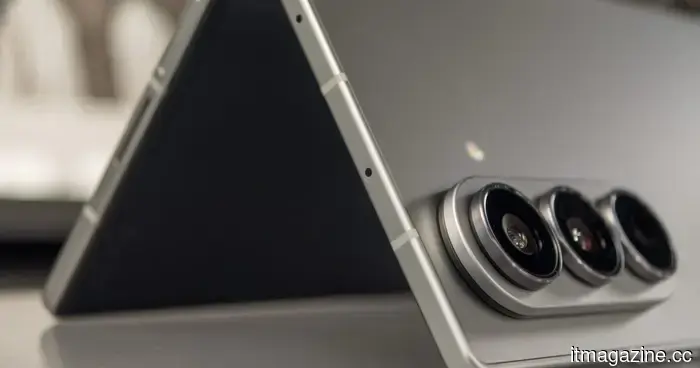 Samsung's upcoming foldable smartphones may undergo a confusing change in naming.
A recent leak indicates that Samsung is changing the naming convention for its Galaxy Z Fold, which could lead to confusion among many consumers. Here’s what we have learned up to this point.
Samsung's upcoming foldable smartphones may undergo a confusing change in naming.
A recent leak indicates that Samsung is changing the naming convention for its Galaxy Z Fold, which could lead to confusion among many consumers. Here’s what we have learned up to this point.
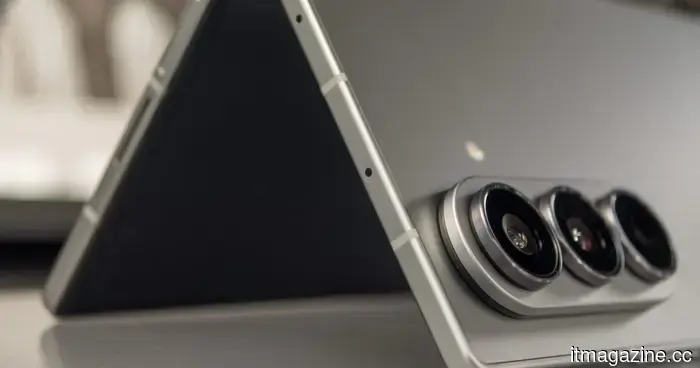 Samsung's upcoming foldable smartphones might undergo a confusing change in naming.
A recent leak indicates that Samsung may be changing the naming convention for its Galaxy Z Fold, which could lead to confusion among many consumers. Here’s what we currently know.
Samsung's upcoming foldable smartphones might undergo a confusing change in naming.
A recent leak indicates that Samsung may be changing the naming convention for its Galaxy Z Fold, which could lead to confusion among many consumers. Here’s what we currently know.
 X aims to prevent creators from profiting by using stolen viral clips.
X is taking measures against repost accounts and content thieves by decreasing payouts and reallocating engagement credit to the original creators.
X aims to prevent creators from profiting by using stolen viral clips.
X is taking measures against repost accounts and content thieves by decreasing payouts and reallocating engagement credit to the original creators.
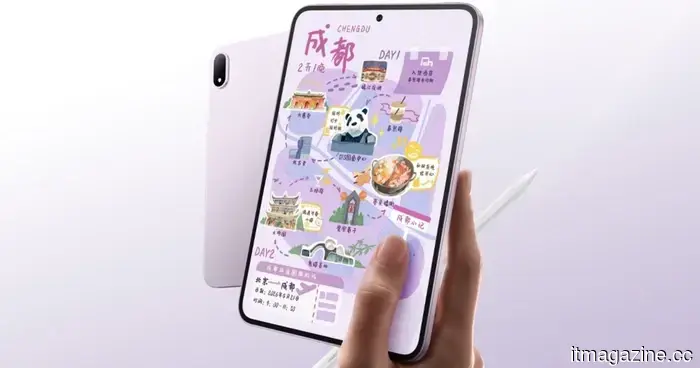 Android could potentially have a solution for the iPad mini, featuring an OLED display as well.
Android features robust compact tablets, yet many of them are primarily designed for gaming. A recently leaked OnePlus OLED tablet may ultimately provide the iPad mini with a more prominent competitor.
Android could potentially have a solution for the iPad mini, featuring an OLED display as well.
Android features robust compact tablets, yet many of them are primarily designed for gaming. A recently leaked OnePlus OLED tablet may ultimately provide the iPad mini with a more prominent competitor.
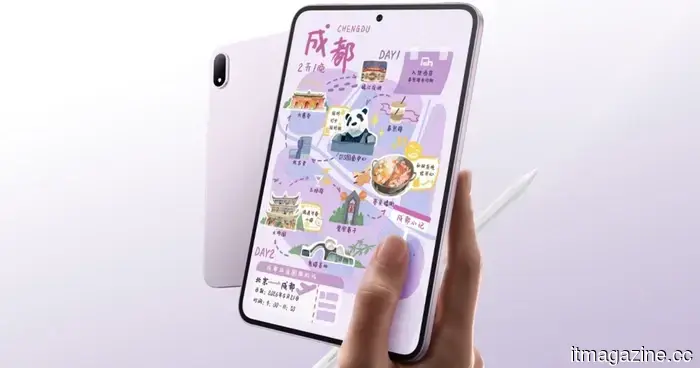 Android may finally provide a response to the iPad mini, and it features an OLED display as well.
Android offers several robust compact tablets, although many of them are primarily designed for gaming. A recently leaked OnePlus OLED tablet might provide a more mainstream competitor to the iPad mini.
Android may finally provide a response to the iPad mini, and it features an OLED display as well.
Android offers several robust compact tablets, although many of them are primarily designed for gaming. A recently leaked OnePlus OLED tablet might provide a more mainstream competitor to the iPad mini.
Unreal Engine 6 has officially arrived, but I’m still feeling anxious.
Unreal Engine 6 has been officially announced, with Rocket League taking the lead, but due to the optimization challenges faced by UE5, gamers have valid reasons to remain cautious.