
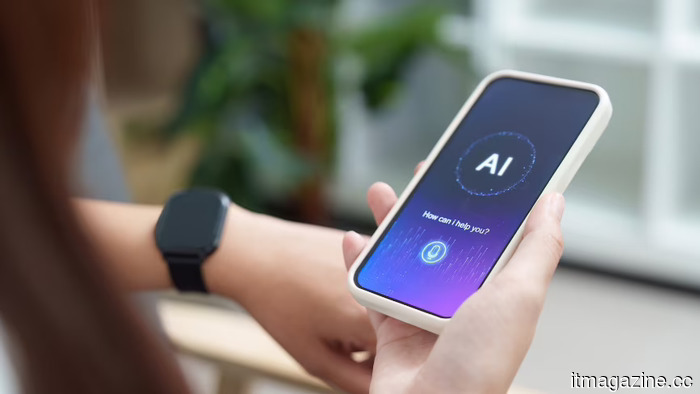
McKinsey developed a complimentary AI tool to help candidates avoid spending $500 an hour on interview coaching services.
**Summary:** McKinsey has introduced a complimentary AI practice tool for candidates preparing for interview case studies, enabling unlimited attempts at quantitative scenarios they’ll encounter. This tool is available worldwide for those applying for entry-level business analyst and associate positions, aimed at providing equal opportunity for candidates who can't afford costly consulting coaches. In contrast, coaching in this field typically costs between $200 and $500 per hour. The practice tool helps candidates familiarize themselves with the types of quantitative challenges they'll face during actual interviews, alleviating anxiety associated with being watched while performing these tasks.
This practice tool is part of a broader strategy to incorporate AI into McKinsey's recruitment process. Since January, the firm has tested its internal AI assistant, Lilli, in final interviews for business school graduates. During this trial, candidates are required to use Lilli to analyze a case study and refine their conclusions, while interviewers observe how effectively candidates engage with the AI system. The assessment focuses on the applicants' curiosity and judgment rather than their ability to engineer prompts.
McKinsey aims to evaluate candidates' proficiency in collaborating with AI rather than testing their ability to work independently of it. This approach reflects the evolving nature of consulting work, which now emphasizes problem framing, judgment, and implementation beyond mere analysis.
The rationale for this shift in hiring practices is underscored by the extensive use of AI at McKinsey, with CEO Bob Sternfels noting that the firm has about 25,000 AI agents assisting 60,000 employees—up from 3,000 just 18 months ago. Over 75% of McKinsey staff utilize Lilli each month. Conversely, the firm has eliminated around 200 technology roles due to AI automating non-client-facing tasks, resulting in a workforce reduction of more than 10% from 2023 to 2025, predominantly affecting entry-level positions that the AI practice tool targets.
The dynamics between job creation and elimination due to AI are evident across the job market. Positions for forward-deployed engineers have surged by 19 times year-over-year, while salaries for AI-related roles have seen significant increases. McKinsey’s strategy reflects this transition, embedding AI proficiency into interviews to ensure candidates can work effectively with evolving technology. Consulting firms like BCG and Bain are expected to adopt similar AI components in their hiring processes.
As the job market adapts, particularly for the graduating classes of 2025 and 2026, AI fluency has become a requisite skill, especially at McKinsey. The free practice tool facilitates preparation, while the Lilli interview clearly signals that the ability to collaborate with AI under pressure is essential for securing employment.
Other articles
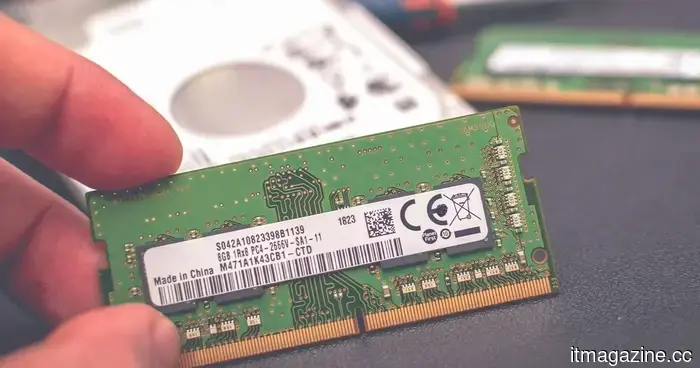 Corsair is introducing Chinese RAM into the mainstream market. However, it is unlikely to entirely resolve the crisis.
Chinese manufacturers of memory are introducing more affordable RAM and storage chips into the market, catching the attention of leading PC brands. This change could significantly impact hardware pricing in the future, though it may come with challenges along the way.
Corsair is introducing Chinese RAM into the mainstream market. However, it is unlikely to entirely resolve the crisis.
Chinese manufacturers of memory are introducing more affordable RAM and storage chips into the market, catching the attention of leading PC brands. This change could significantly impact hardware pricing in the future, though it may come with challenges along the way.
 The US has placed Anthropic on its blacklist due to security concerns. Nevertheless, its intelligence agencies are still utilizing Claude.
A shortage of chips compelled the White House to permit the NSA to utilize Anthropic's AI. An emergency request for $9 billion will finance classified data centers for Nvidia chips.
The US has placed Anthropic on its blacklist due to security concerns. Nevertheless, its intelligence agencies are still utilizing Claude.
A shortage of chips compelled the White House to permit the NSA to utilize Anthropic's AI. An emergency request for $9 billion will finance classified data centers for Nvidia chips.
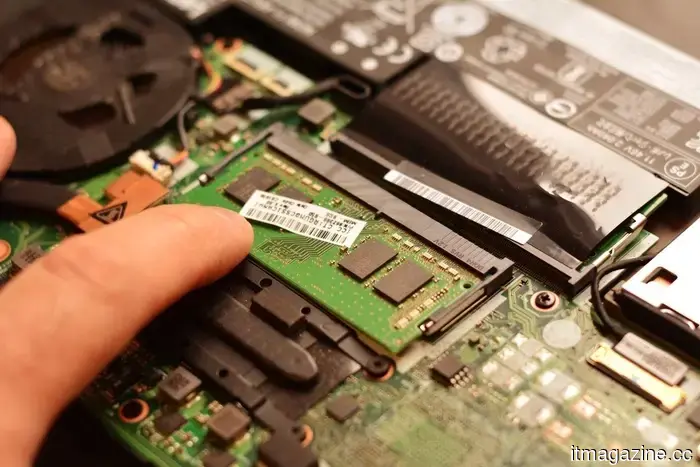 iOS 27 might simplify the management of your AirPods significantly.
Apple might be getting ready for a long-awaited overhaul of the cluttered AirPods settings interface. For users who have been frustrated with navigating through Bluetooth menus, these updates could be quite impactful.
iOS 27 might simplify the management of your AirPods significantly.
Apple might be getting ready for a long-awaited overhaul of the cluttered AirPods settings interface. For users who have been frustrated with navigating through Bluetooth menus, these updates could be quite impactful.
 The AI security gap that no one is willing to acknowledge is already present.
The leak of the Anthropic Claude Code source code uncovered more than just a packaging mistake; it highlighted the significant lead attackers have with AI compared to the challenges defenders face in keeping up.
The AI security gap that no one is willing to acknowledge is already present.
The leak of the Anthropic Claude Code source code uncovered more than just a packaging mistake; it highlighted the significant lead attackers have with AI compared to the challenges defenders face in keeping up.
 iOS 27 may significantly simplify the management of your AirPods.
Apple might be getting ready to tidy up the chaotic settings experience for AirPods, which has been needed for a while. For those who are weary of sifting through Bluetooth menus, these updates could seem quite impactful.
iOS 27 may significantly simplify the management of your AirPods.
Apple might be getting ready to tidy up the chaotic settings experience for AirPods, which has been needed for a while. For those who are weary of sifting through Bluetooth menus, these updates could seem quite impactful.
 HP released a crucial BIOS update via Windows Update, which ended up disabling its most high-end laptops.
Owners of ZBook Ultra and EliteBook X devices are experiencing issues with their devices being unbootable following the automatic installation of a critical BIOS patch. HP has stated that they are "investigating the matter."
HP released a crucial BIOS update via Windows Update, which ended up disabling its most high-end laptops.
Owners of ZBook Ultra and EliteBook X devices are experiencing issues with their devices being unbootable following the automatic installation of a critical BIOS patch. HP has stated that they are "investigating the matter."
McKinsey developed a complimentary AI tool to help candidates avoid spending $500 an hour on interview coaching services.
The consulting firm introduced an AI practice tool that allows for unlimited attempts at case studies. Additionally, it evaluates candidates on their collaboration with its AI assistant, Lilli.