

Android Halo might serve as the crucial connection between Android and AI agents.
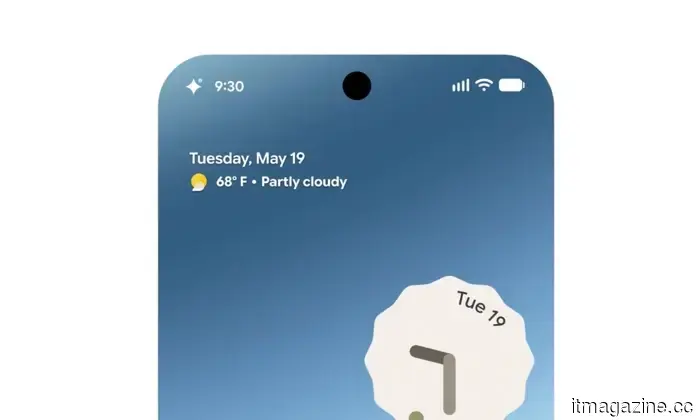
Google is addressing one of the main issues with AI agents on smartphones: the lack of clarity about their activities. At Google I/O 2026, the company showcased a new Android feature named Android Halo. This feature is intended to inform users about their AI agent’s tasks without causing frequent interruptions.
Rather than requiring users to launch a separate app or awkwardly wait for an AI operation to complete, Android Halo provides discreet status updates at the top of the device’s screen. It shows real-time progress whether the agent is operating in the background, engaging in live interaction, or sending a message. This approach seems like a wise step forward for AI on mobile devices.
AI agents certainly require improved communication.
Currently, many AI assistants often feel detached from the operating system. You give them a command, and then it’s just silence. Users frequently lack a clear indication of whether a task is in progress, partially finished, or has been entirely overlooked. Android Halo seems to bridge that communication divide.
Google states that this feature allows users to carry on with their activities while their AI agent operates in the background. Rather than forcing users to divert their attention, Halo functions as a lightweight live activity manager for AI tasks, potentially making these agents feel like integrated components of the Android experience.
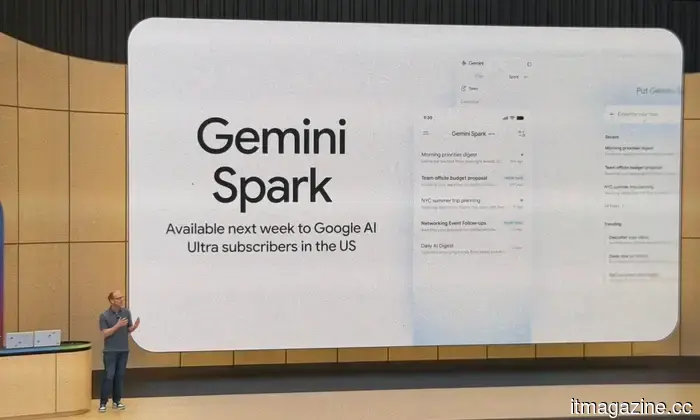
Gemini Spark will be a key component.
Google has confirmed that Android Halo will be compatible with Gemini Spark and other supported AI agents upon its release later this year. For devices utilizing Gemini Intelligence, Halo will unlock additional functionalities, although Google hasn’t revealed those specifics yet.
The primary takeaway here is that Google aims for Android to advance from mere apps to continuous AI-driven interactions. While Android Halo may seem like a minor interface update, it could change the way users engage with AI throughout their day—and might make these agents appear much more dynamic.
---
Apple has introduced significant accessibility enhancements across its devices, including iPhone, iPad, Mac, Apple Vision Pro, and Apple TV, with many features powered by Apple Intelligence. The updates are aimed at improving device usability for users with visual, hearing, mobility, or learning disabilities, all while adhering to Apple's privacy-centric approach to AI. These new accessibility features will be released later this year as part of upcoming software updates.
---
X, formerly known as Twitter, seems to have implemented stricter posting limits for users without paid verification, adding to the incentives for subscribing to X Premium. Updates on X’s Help Center and various user reports indicate that unverified accounts are now restricted to 50 original posts and 200 replies each day. This change represents a significant reduction from the previous limit of 2,400 posts per day stated on the same support page. Notably, some sections of the Help Center still mention the old limit, suggesting that the transition may still be in progress or has been updated quietly.
---
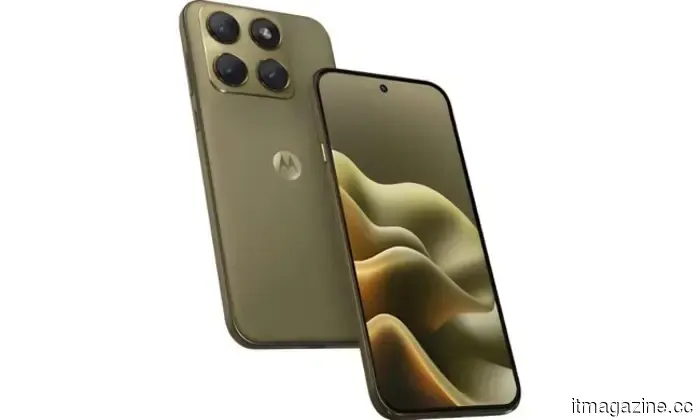
Motorola might launch its next Edge smartphone in a glamorous gold design. A recent leak from Digital Citizen purportedly showcases the forthcoming Motorola Edge 2026, emphasizing its design. The leaked visuals indicate a warm champagne gold finish with a finely woven texture on the rear panel, which is expected to provide a silky-like feel. The combination of gold, texture, and a distinctive personality makes it stand out.




Other articles
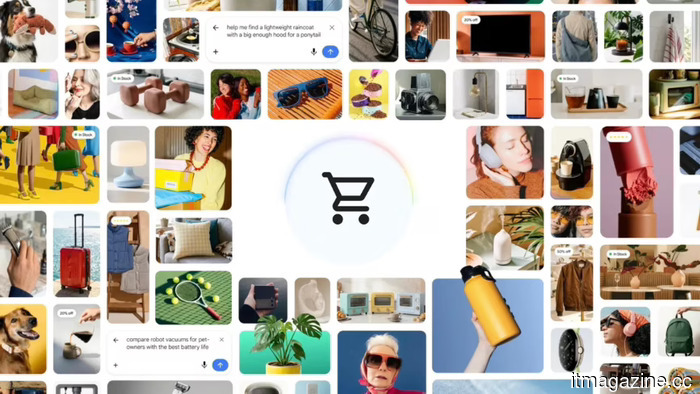 Google announces Universal Cart and releases AP2 updates at I/O 2026.
Google introduced Universal Cart, an AI-driven shopping platform that integrates Search, Gemini, YouTube, and Gmail, while also announcing enhancements to its Agent Payments Protocol for automated purchases.
Google announces Universal Cart and releases AP2 updates at I/O 2026.
Google introduced Universal Cart, an AI-driven shopping platform that integrates Search, Gemini, YouTube, and Gmail, while also announcing enhancements to its Agent Payments Protocol for automated purchases.
 Google unveils the Gemini Spark agentic AI assistant during I/O 2026.
At I/O 2026, Google introduced Gemini Spark, an AI agent that is always active and can handle tasks through Gmail, navigate in Chrome, and operates continuously on cloud VMs for AI Ultra subscribers.
Google unveils the Gemini Spark agentic AI assistant during I/O 2026.
At I/O 2026, Google introduced Gemini Spark, an AI agent that is always active and can handle tasks through Gmail, navigate in Chrome, and operates continuously on cloud VMs for AI Ultra subscribers.
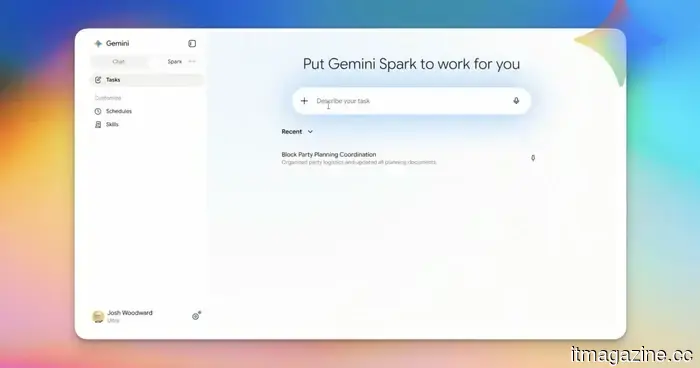 Google's latest Gemini Spark AI agent can take care of your tasks while you manage your life.
Google's Gemini Spark is an innovative AI assistant that manages multi-step tasks in the background, operates within Google's applications, and continues functioning even when you shut your laptop.
Google's latest Gemini Spark AI agent can take care of your tasks while you manage your life.
Google's Gemini Spark is an innovative AI assistant that manages multi-step tasks in the background, operates within Google's applications, and continues functioning even when you shut your laptop.
 Google substitutes the search box with AI agents at I/O 2026.
At I/O 2026, Google revealed its most significant Search overhaul in 25 years, featuring information agents, a generative user interface, and mini-apps driven by Gemini 3.5 Flash.
Google substitutes the search box with AI agents at I/O 2026.
At I/O 2026, Google revealed its most significant Search overhaul in 25 years, featuring information agents, a generative user interface, and mini-apps driven by Gemini 3.5 Flash.
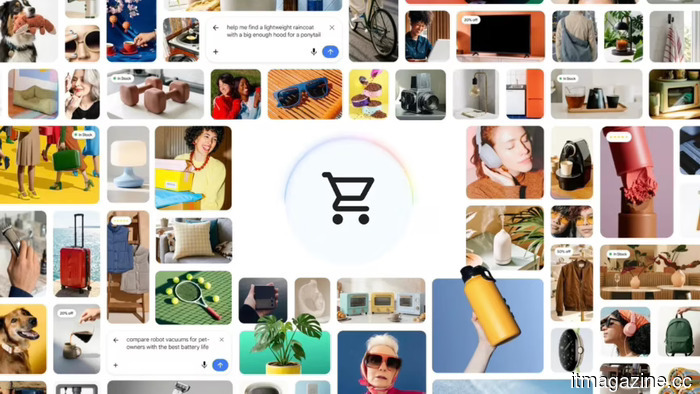 Google introduces Universal Cart and refreshes AP2 at I/O 2026.
Google introduced Universal Cart, an AI-driven shopping center that integrates Search, Gemini, YouTube, and Gmail, while also updating its Agent Payments Protocol for automated transactions.
Google introduces Universal Cart and refreshes AP2 at I/O 2026.
Google introduced Universal Cart, an AI-driven shopping center that integrates Search, Gemini, YouTube, and Gmail, while also updating its Agent Payments Protocol for automated transactions.
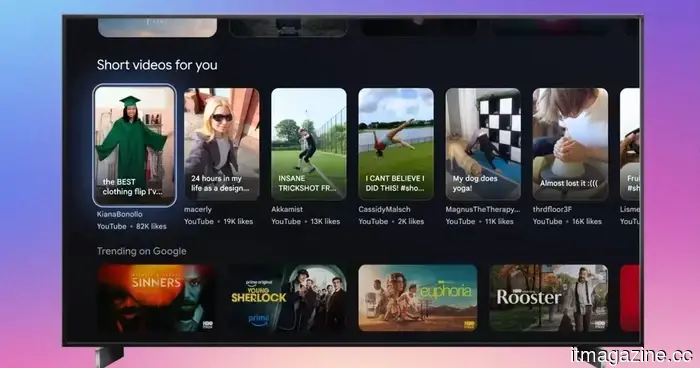 Google aims to transform your TV remote with Gemini and pointer controls.
Google is transforming the future of televisions with Gemini-enhanced discovery and a new method for navigating applications. Nonetheless, the most significant shift might not be on the display itself, but rather in your remote control.
Google aims to transform your TV remote with Gemini and pointer controls.
Google is transforming the future of televisions with Gemini-enhanced discovery and a new method for navigating applications. Nonetheless, the most significant shift might not be on the display itself, but rather in your remote control.
Android Halo might serve as the crucial connection between Android and AI agents.
Google's new Android Halo feature suggests a future where AI seamlessly supports you without requiring constant interaction. The most intriguing aspect is how minimally it interferes with your activities.