
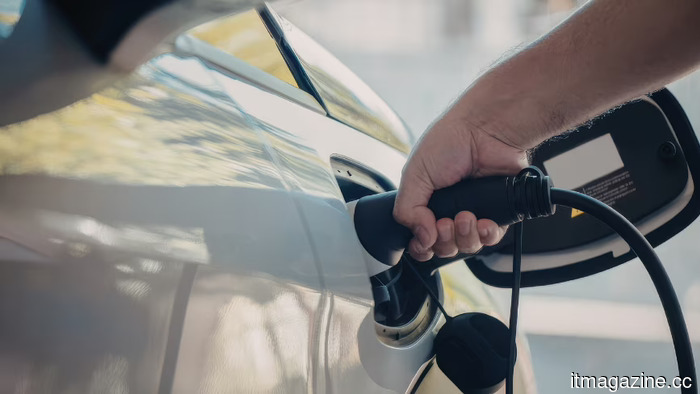
Chinese electric vehicles are making their way to Canada, with nearly 400 dealers already competing to sell them.
**Summary:**
Canada has reduced tariffs on Chinese electric vehicles (EVs) to 6.1% with an annual limit of 49,000 units. Almost 400 dealerships have expressed interest in selling brands like BYD, Geely, and Chery. Michael MacGillivray, CEO of Century Auto Group, is working to become one of the first Canadian dealers of imported Chinese EVs after attending the Beijing Auto Show. Farid Ahmad, CEO of DSMA, noted the strong interest from Canadian dealers in representing these brands.
This move follows a trade agreement made in January between Canadian Prime Minister Mark Carney and Chinese President Xi Jinping, where Canada cut the tariff on Chinese EVs from 100% to 6.1% for the first 49,000 vehicles imported per year. In return, China reduced tariffs on Canadian canola and lifted regulations on other Canadian goods.
The quota, operating on a yearly cycle from March to February, is split into two segments of 24,500 permits each and is allocated on a first-come, first-served basis by the Canada Border Services Agency. This limit accounts for less than 3% of Canada's annual new vehicle sales, which exceeded 1.9 million last year. The cap is expected to rise to 70,000 vehicles by 2030, with the aim that at least half of the imports will be affordable models priced below C$35,000 (about US$26,000) within five years.
The first shipments of Chinese cars have already arrived, including models from Chery and Lotus, with significant price reductions following the tariff changes. For instance, a BYD Seagull priced at C$12,000 could retail between C$20,000 and C$25,000 in Canada, targeting a sub-C$30,000 EV market that currently doesn’t exist in the country.
The political reaction has been swift, with the Canadian Vehicle Manufacturers' Association expressing concerns regarding the potential impact on domestic manufacturers and security risks. Ontario Premier Doug Ford labeled the imported vehicles as “spy vehicles.” In the US, many lawmakers are pushing for stricter measures against Chinese automakers.
Despite criticism, including from former President Trump, who labeled Canada's decision “a disaster,” the market continues to show demand for Chinese EVs. Canadian consumers can directly access these vehicles at dealerships, putting pressure on US policies that maintain high tariff barriers.
Michael Robinet from S&P Global Mobility characterized the Canadian approach as cautious, noting that while the initial quota is modest, it is set to increase, and Chinese automakers will need to establish local partnerships. As of 2025, BYD surpassed Tesla in global EV sales, and Canadian consumers are looking forward to purchasing more affordable EV options. The initial retail deliveries are expected to commence in late Q2 or Q3 2026, mainly in regions with high EV adoption. The future of this market will be influenced by developments in US policy and the perceived quality of these vehicles.
Other articles
 Samsung and its union are set to meet on Monday in a final effort to avert an 18-day strike at the chip factory.
South Korea's Prime Minister cautioned about "unimaginable" economic consequences. The union is demanding 15% of the operating profit, while Samsung has proposed 10%. The deadline is set for May 21.
Samsung and its union are set to meet on Monday in a final effort to avert an 18-day strike at the chip factory.
South Korea's Prime Minister cautioned about "unimaginable" economic consequences. The union is demanding 15% of the operating profit, while Samsung has proposed 10%. The deadline is set for May 21.
 Malta has just become the first nation to provide all its citizens with free access to ChatGPT Plus, but there is one stipulation.
OpenAI has reached an agreement with Malta to offer ChatGPT Plus for one year to all residents who successfully finish a complimentary AI literacy course created by a university.
Malta has just become the first nation to provide all its citizens with free access to ChatGPT Plus, but there is one stipulation.
OpenAI has reached an agreement with Malta to offer ChatGPT Plus for one year to all residents who successfully finish a complimentary AI literacy course created by a university.
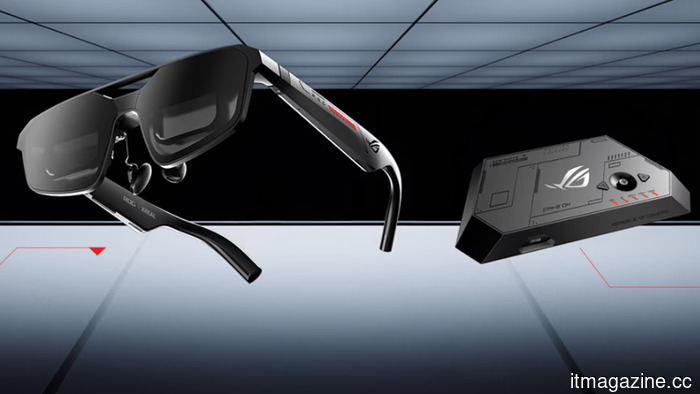 Asus ROG and Xreal have created the first augmented reality gaming glasses with a 240Hz refresh rate. Priced at $849, they will be available for shipping in June.
The ROG Xreal R1 features dual Sony micro-OLED screens, a virtual display measuring 171 inches, and Bose audio, all within a weight of 91 grams. Pre-orders are available now at Best Buy.
Asus ROG and Xreal have created the first augmented reality gaming glasses with a 240Hz refresh rate. Priced at $849, they will be available for shipping in June.
The ROG Xreal R1 features dual Sony micro-OLED screens, a virtual display measuring 171 inches, and Bose audio, all within a weight of 91 grams. Pre-orders are available now at Best Buy.
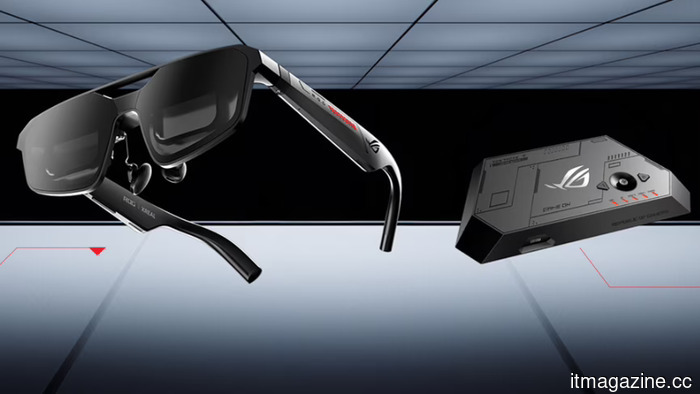 Asus ROG and Xreal have created the inaugural 240Hz AR gaming glasses. Priced at $849, they will be available for shipping in June.
The ROG Xreal R1 features dual Sony micro-OLED screens, offers a 171-inch virtual display, and includes Bose audio, all weighing just 91 grams. Pre-orders are now available on Best Buy.
Asus ROG and Xreal have created the inaugural 240Hz AR gaming glasses. Priced at $849, they will be available for shipping in June.
The ROG Xreal R1 features dual Sony micro-OLED screens, offers a 171-inch virtual display, and includes Bose audio, all weighing just 91 grams. Pre-orders are now available on Best Buy.
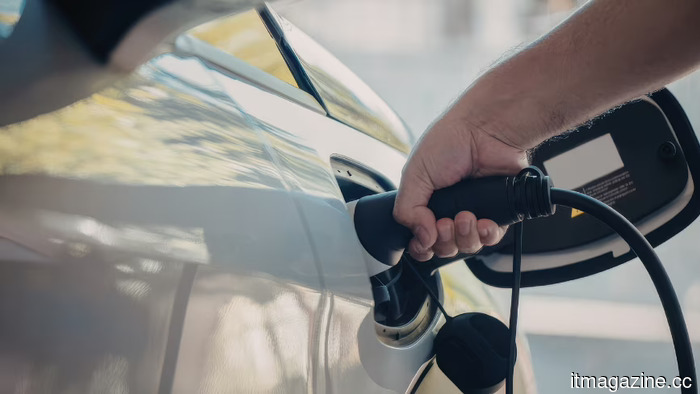 Chinese electric vehicles are now making their way to Canada, with almost 400 dealers competing to sell them.
Canada has reduced tariffs on Chinese electric vehicles to 6.1%, imposing a limit of 49,000 units. Dealers are preparing for this opportunity, while Trump refers to it as a disaster, and the initial shipments of cars have arrived.
Chinese electric vehicles are now making their way to Canada, with almost 400 dealers competing to sell them.
Canada has reduced tariffs on Chinese electric vehicles to 6.1%, imposing a limit of 49,000 units. Dealers are preparing for this opportunity, while Trump refers to it as a disaster, and the initial shipments of cars have arrived.
 A student with a laptop and a radio interrupted four high-speed trains. The crypto keys had remained unchanged for 19 years.
A 23-year-old individual in Taiwan took advantage of TETRA radio vulnerabilities that have remained unaddressed since 2007 to activate emergency braking systems on four trains. He could be sentenced to as much as 10 years in prison.
A student with a laptop and a radio interrupted four high-speed trains. The crypto keys had remained unchanged for 19 years.
A 23-year-old individual in Taiwan took advantage of TETRA radio vulnerabilities that have remained unaddressed since 2007 to activate emergency braking systems on four trains. He could be sentenced to as much as 10 years in prison.
Chinese electric vehicles are making their way to Canada, with nearly 400 dealers already competing to sell them.
Canada has reduced tariffs on Chinese electric vehicles to 6.1%, imposing a cap of 49,000 units. Dealers are eager to participate, Trump labels it a catastrophe, and the initial vehicles have arrived.