
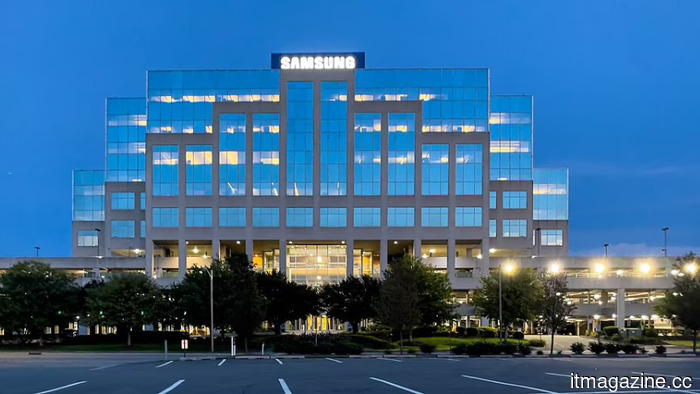
Samsung and its union are set to meet on Monday in a final effort to avert an 18-day strike at the chip factory.
Samsung is facing an 18-day strike starting May 21. The Prime Minister has warned of daily losses amounting to $668 million and has alluded to potential emergency measures.
Negotiations between Samsung Electronics and its largest labor union are set to resume on Monday. South Korean Prime Minister Kim Min-Seok referred to this as “virtually the last chance” to avert an 18-day strike at the world’s leading memory chip manufacturer. If discussions do not succeed, the union, with 41,000 confirmed participants—expected to rise above 50,000—will go on strike.
In a nationwide address on Sunday, the Prime Minister emphasized that “if the strike happens, the economic damage we would face would be unimaginable.” He estimated that every day Samsung's chip factories remain closed could cost up to 1 trillion won ($668 million). For the first time, he indicated the possibility of the government using emergency powers to avert the strike if it poses a threat to the national economy.
The head of South Korea’s National Labor Relations Commission will join the negotiations on Monday, shifting the discussions from a corporate issue to one involving direct government intervention. Previous talks mediated by the government ended on May 12 after 17 hours, during which union representative Choi Seung-ho reported that there was 16 hours of waiting and only an hour of actual negotiation.
The issue at hand involves how Samsung shares the benefits of the AI boom with its employees. The union demands that Samsung eliminate the current bonus cap, allocate 15% of operating profit for worker bonuses, and formalize these terms in employment contracts. Conversely, Samsung has offered 10% of operating profit for bonuses along with a one-time special compensation package that it claims surpasses industry norms. Company executives have contended that the union's requests would be challenging to maintain over the long term.
The financial backdrop makes the union’s stance hard to overlook. Samsung posted a revenue of ₩133.9 trillion (around $90 billion) in Q1 2026, with an operating profit of ₩57.2 trillion—an unparalleled eightfold increase year-on-year and the highest in the company’s history. The semiconductor division alone contributed ₩53.7 trillion in operating profit, accounting for nearly 94% of the total, primarily driven by high-bandwidth memory chips for AI infrastructure. Samsung's market capitalization surpassed $1 trillion this month, joining TSMC among elite semiconductor firms.
While the company’s recordprofits have doubled the Lee family’s wealth to $45.5 billion in just a year, workers feel their pay has not kept up. Part of the union's grievance is the perceived disparity between Samsung’s bonus system and that of its competitor, SK Hynix. The pay agreement in 2025 satisfied management but left many union members feeling the increases didn't align with inflation or the productivity gains reported by Samsung. The current standoff arises from the disconnect between corporate success and employee compensation.
Samsung Electronics Chair Jay Y. Lee issued an unusual public apology over the weekend, acknowledging “internal issues” causing anxiety. “Union members, Samsung family members, we are one body, one family,” Lee stated at Seoul’s Gimpo International Airport on Saturday. Samsung executives also made an atypical visit to union facilities last week, signaling the seriousness with which the company views the situation.
The economic implications extend beyond Samsung itself. According to government data, semiconductors comprised 37% of South Korea’s total exports in April, up from 20% the previous year. A prolonged shutdown of Samsung's chip production facilities would disrupt the global supply of DRAM and HBM chips at a time when AI-related memory shortages are anticipated to continue through 2027 and beyond, with large buyers securing supplies years in advance. Korean media speculate that if the strike commences with 50,000 workers, total losses could reach 40 trillion won.
The union's initial general strike in 2024 was brief but demonstrated the willingness of technical and white-collar workers at a crucial manufacturer to walk out. Each negotiation cycle since has tested the extent of this leverage. The 2026 conflict represents the most significant test so far, as the AI memory supercycle has provided Samsung with unprecedented profits, and the workers who operate the fabrication lines are questioning whether they will benefit from these profits.
The upcoming discussions on Monday will reveal whether Samsung and the union can bridge the gap between the proposed 10% and 15% of operating profit, a variance that amounts to about ₩2.9 trillion ($1.9 billion) annually based on Q1 figures. The Prime Minister's threat of emergency powers adds a new layer that both parties cannot ignore: the South Korean government views a shutdown of Samsung's chip operations as a national economic crisis, rather than simply a labor issue. How this pressure influences the negotiations or entrenches both sides' positions will be a key focus of Monday’s talks.
Other articles
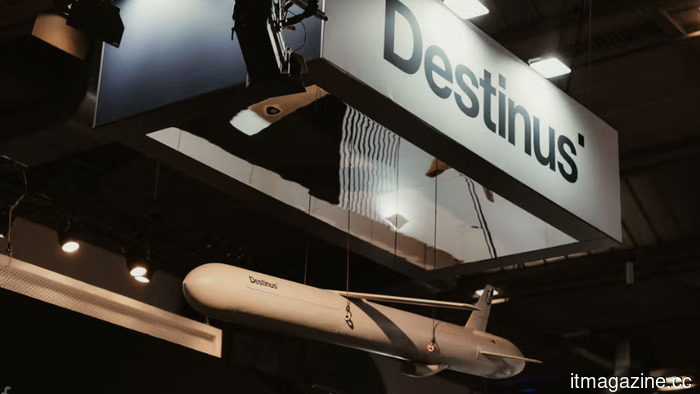 Destinus is seeking to raise €200 million in preparation for an IPO. The manufacturer of cruise missiles aims for a valuation of €5 billion.
The Dutch defense startup produces drones and cruise missiles for Ukraine and its European partners. It has already established a joint venture with Rheinmetall.
Destinus is seeking to raise €200 million in preparation for an IPO. The manufacturer of cruise missiles aims for a valuation of €5 billion.
The Dutch defense startup produces drones and cruise missiles for Ukraine and its European partners. It has already established a joint venture with Rheinmetall.
 Why workplace infrastructure is a subtle catalyst for business performance.
Workplace infrastructure, including hybrid office arrangements, collaboration tools, and employee wellness, subtly influences a company's growth or stagnation. Here’s what to focus your investments on.
Why workplace infrastructure is a subtle catalyst for business performance.
Workplace infrastructure, including hybrid office arrangements, collaboration tools, and employee wellness, subtly influences a company's growth or stagnation. Here’s what to focus your investments on.
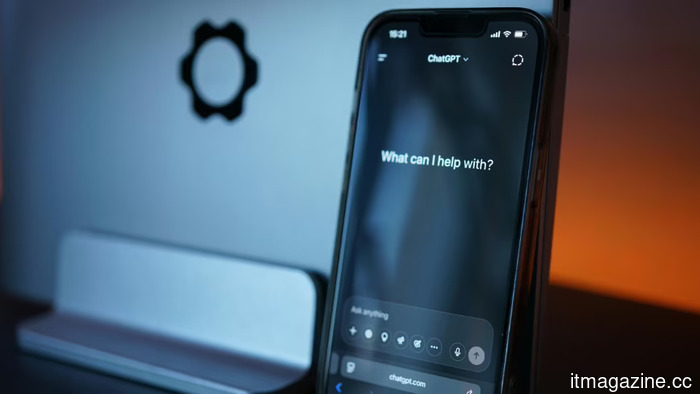 Malta has recently become the first nation to provide all its citizens with complimentary access to ChatGPT Plus. However, there is one stipulation.
OpenAI has reached an agreement with Malta to offer ChatGPT Plus for one year to all residents who finish a complimentary AI literacy course created by a university.
Malta has recently become the first nation to provide all its citizens with complimentary access to ChatGPT Plus. However, there is one stipulation.
OpenAI has reached an agreement with Malta to offer ChatGPT Plus for one year to all residents who finish a complimentary AI literacy course created by a university.
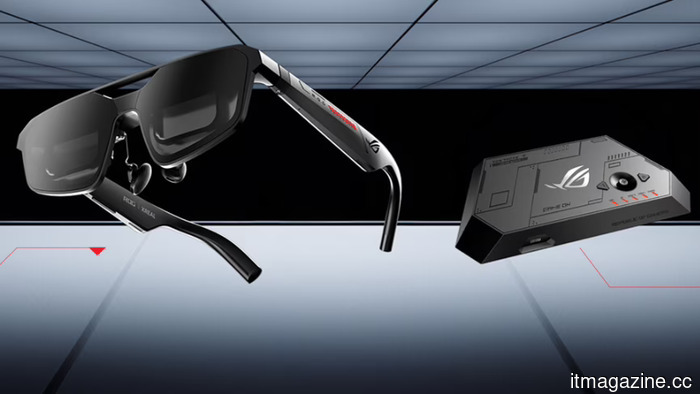 Asus ROG and Xreal have created the first AR gaming glasses with a 240Hz refresh rate. Priced at $849, they will be available for shipping in June.
The ROG Xreal R1 features dual Sony micro-OLED screens, a virtual display measuring 171 inches, and Bose audio, all within a weight of 91 grams. Pre-orders are available now on Best Buy.
Asus ROG and Xreal have created the first AR gaming glasses with a 240Hz refresh rate. Priced at $849, they will be available for shipping in June.
The ROG Xreal R1 features dual Sony micro-OLED screens, a virtual display measuring 171 inches, and Bose audio, all within a weight of 91 grams. Pre-orders are available now on Best Buy.
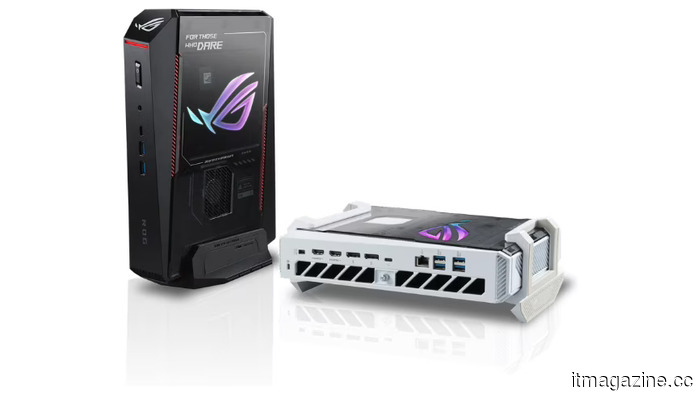 Asus packed an RTX 5080 into a 3-litre chassis. It is priced at $4,400, and the improvement in performance is 2.3%.
The ROG NUC 16 combines Intel's Core Ultra 9 290HX with an RTX 5080 laptop GPU in a case that is smaller than a PS5. The anticipated global price is around $4,000.
Asus packed an RTX 5080 into a 3-litre chassis. It is priced at $4,400, and the improvement in performance is 2.3%.
The ROG NUC 16 combines Intel's Core Ultra 9 290HX with an RTX 5080 laptop GPU in a case that is smaller than a PS5. The anticipated global price is around $4,000.
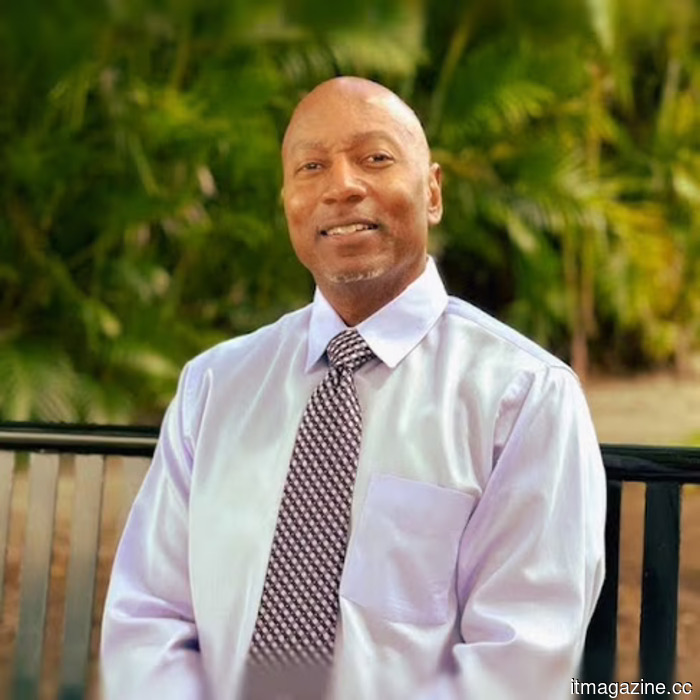 Dr. Jeffrey L. Brown discusses the need to reevaluate hormone health by utilizing advanced testing methods.
Dr. Jeffrey L. Brown utilizes saliva, stool, and food sensitivity testing to identify hormonal imbalances that typical blood tests overlook, providing tailored care through a primarily virtual approach.
Dr. Jeffrey L. Brown discusses the need to reevaluate hormone health by utilizing advanced testing methods.
Dr. Jeffrey L. Brown utilizes saliva, stool, and food sensitivity testing to identify hormonal imbalances that typical blood tests overlook, providing tailored care through a primarily virtual approach.
Samsung and its union are set to meet on Monday in a final effort to avert an 18-day strike at the chip factory.
South Korea's Prime Minister cautioned about "unimaginable" economic consequences. The union is demanding 15% of the operating profit, while Samsung has proposed 10%. The deadline is set for May 21.