
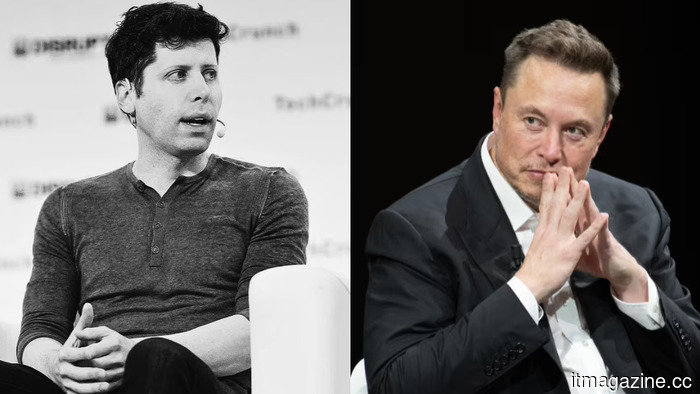
Jury deliberations are set to start in the OpenAI nonprofit trial following Musk's absence from the closing arguments to travel to Beijing.
After three weeks of testimony in Judge Yvonne Gonzalez Rogers's Oakland courtroom, the trial of Musk v. Altman concluded with Musk attending Donald Trump's state visit delegation in Beijing, as deliberations are set to start on Monday.
Closing arguments wrapped up on Thursday afternoon, sending the nine-person jury home for the weekend before entering deliberations. The trial, which featured testimonies, depositions, and a stream of Silicon Valley witnesses—including Sam Altman, Greg Brockman, Microsoft CEO Satya Nadella, and Musk himself—has boiled down to two contrasting interpretations. Musk's legal team argued that Altman and Brockman “stole a charity,” while the defense suggested that Musk “didn’t get his way at OpenAI.”
Musk was not present during the closing arguments. His attorney apologized to the jury on his behalf, explaining that he was part of Trump’s Beijing delegation, seated with Tim Cook, Jensen Huang, and Larry Fink during the concurrent state visit. Musk’s absence from this significant civil trial seems to have been deemed less detrimental by his legal team than the optics of missing a foreign trip led by Trump.
The case, which we have followed since its initiation in late April, revolves around two primary claims: that OpenAI’s 2025 recapitalization, which transformed the nonprofit into a typical capped-profit entity with a $350 billion valuation in its latest funding round, violated the charitable trust under which Musk donated approximately $38 million from 2015 to 2017; and that Altman, Brockman, and Microsoft unjustly profited from this process.
Microsoft is co-defending under an aiding-and-abetting theory. A significant piece of evidence presented during the trial was Brockman’s 2017 personal journal, which referred to OpenAI’s nonprofit status as “a lie.”
Musk is seeking up to $134 billion in disgorgement, none of which he would personally receive; he gave up any personal gain while testifying, framing his request as a way to restore OpenAI's nonprofit foundation. He also requested the court to remove Altman and Brockman from their positions and to reverse the recapitalization. Musk has positioned this case as a critical test of whether founders can convert a charity into a commercial entity without the original donors' approval.
OpenAI’s defense focused on a narrower factual argument: that Altman and Brockman never made binding promises to Musk regarding corporate structure, that Musk’s contributions were utilized for the agreed research mission, and that the recapitalization adhered to the legally sanctioned procedures approved by California’s attorney general.
Microsoft’s lawyers contended that its cumulative investment of $13 billion was crucial to keeping OpenAI operational long enough to develop the technology Musk now seeks to reclaim, with Nadella’s testimony framing the investment as Microsoft’s safeguard against becoming “the next IBM.”
Two procedural aspects will influence how the verdict is delivered. The jury is technically advisory; Judge Gonzalez Rogers has the final decision regarding remedies and has indicated she will likely align with the jury’s findings but is not obligated to do so.
Furthermore, the trial is divided into two phases, with liability being determined first and remedies addressed later in a separate hearing overseen solely by the judge, who will decide what, if any, disgorgement or structural relief follows a finding of liability. A jury decision favoring Musk on Monday or Tuesday does not automatically result in Altman losing his job.
The outcome, even at the liability stage, will reflect whether the jurors believe that converting nonprofits to profit-oriented structures like OpenAI's requires judicial oversight. Both parties have acknowledged the case's potential to shape AI governance in the coming decade, particularly for labs that began as charities and have evolved into some of the world's most valuable private companies, with Anthropic and others observing closely.
Deliberations will commence on Monday in Oakland, and if the remedies phase is reached, it will be conducted by Judge Gonzalez Rogers in a separate proceeding later this year.
Other articles
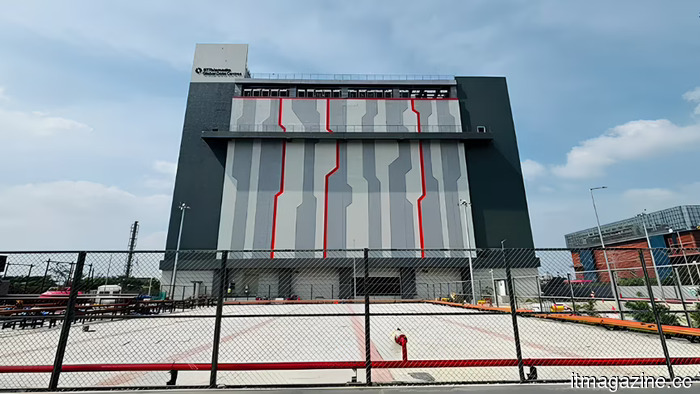 STT Global Data Centres is preparing for a $500 million listing in Mumbai, ahead of a competitive IPO lineup in 2026.
According to Bloomberg, STT Global Data Centres India is getting ready for an IPO in Mumbai of up to $500 million, with bank presentations scheduled for next week and mandates expected by the end of May. This would position it at the forefront of the data-centre listings for 2026.
STT Global Data Centres is preparing for a $500 million listing in Mumbai, ahead of a competitive IPO lineup in 2026.
According to Bloomberg, STT Global Data Centres India is getting ready for an IPO in Mumbai of up to $500 million, with bank presentations scheduled for next week and mandates expected by the end of May. This would position it at the forefront of the data-centre listings for 2026.
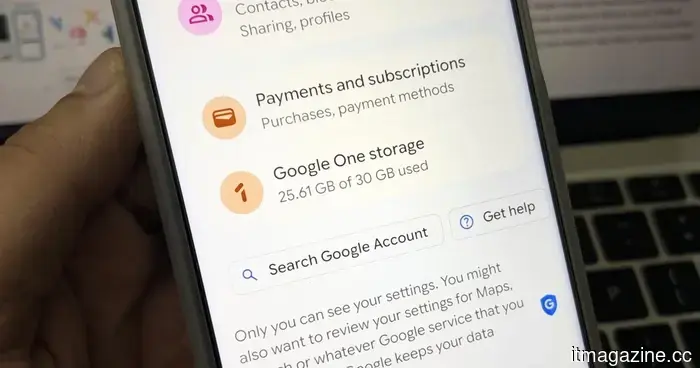 Your upcoming free Google account may only include 5GB of storage.
New Google accounts now come with 5GB of complimentary storage. By linking a phone number, users can access the complete storage allocation; however, the support page has quietly removed the guarantee of 15GB.
Your upcoming free Google account may only include 5GB of storage.
New Google accounts now come with 5GB of complimentary storage. By linking a phone number, users can access the complete storage allocation; however, the support page has quietly removed the guarantee of 15GB.
 Meta will permit third-party applications for Ray-Ban Display glasses. You need to keep your focus on digital reality.
Meta is allowing third-party developers to access the Ray-Ban Display glasses, which may enhance the practicality of smart glasses in your everyday activities.
Meta will permit third-party applications for Ray-Ban Display glasses. You need to keep your focus on digital reality.
Meta is allowing third-party developers to access the Ray-Ban Display glasses, which may enhance the practicality of smart glasses in your everyday activities.
 Samsung proposes discussions; the union responds with June, following the strike.
On Friday, Samsung proposed unconditional negotiations with the union. The NSEU agreed on June 7, just three days following the conclusion of its 18-day strike. Shares dropped by as much as 7.6%.
Samsung proposes discussions; the union responds with June, following the strike.
On Friday, Samsung proposed unconditional negotiations with the union. The NSEU agreed on June 7, just three days following the conclusion of its 18-day strike. Shares dropped by as much as 7.6%.
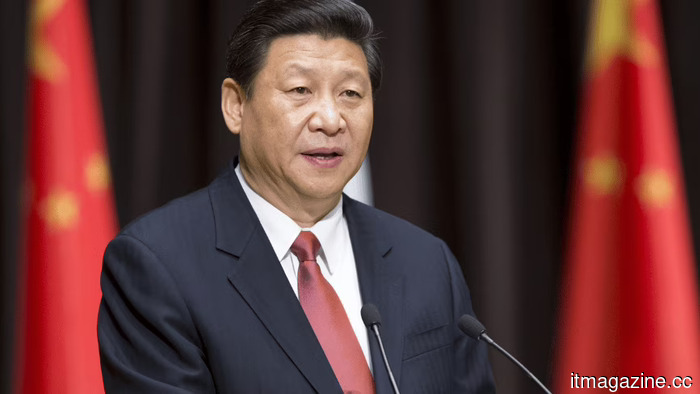 According to US Trade Representative Greer, chip export controls did not emerge as a significant issue during discussions in Beijing.
Chip export regulations were 'not a significant issue' during the Trump-Xi meeting, according to US Trade Representative Jamieson Greer in an interview with Bloomberg, even as Washington approved Nvidia H200 sales to China.
According to US Trade Representative Greer, chip export controls did not emerge as a significant issue during discussions in Beijing.
Chip export regulations were 'not a significant issue' during the Trump-Xi meeting, according to US Trade Representative Jamieson Greer in an interview with Bloomberg, even as Washington approved Nvidia H200 sales to China.
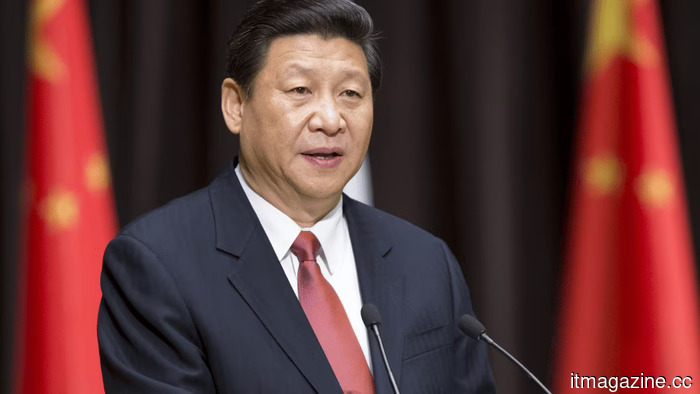 According to US Trade Representative Greer, chip export controls were not a significant issue discussed in Beijing.
According to US Trade Representative Jamieson Greer, chip export controls were 'not a significant issue' during the Trump-Xi meeting, despite Washington allowing Nvidia H200 sales to China, as reported by Bloomberg.
According to US Trade Representative Greer, chip export controls were not a significant issue discussed in Beijing.
According to US Trade Representative Jamieson Greer, chip export controls were 'not a significant issue' during the Trump-Xi meeting, despite Washington allowing Nvidia H200 sales to China, as reported by Bloomberg.
Jury deliberations are set to start in the OpenAI nonprofit trial following Musk's absence from the closing arguments to travel to Beijing.
Closing arguments in the case of Musk v. Altman concluded on Thursday in Oakland, and the jury will start deliberations on Monday. The case involves up to $134 billion in disgorgement and the structure of OpenAI.