

Samsung proposes discussions; the union responds with June, following the strike.
On Friday, the company lifted its preconditions. The National Samsung Electronics Union (NSEU) announced it would accept new proposals starting 7 June, three days after the scheduled conclusion of the 18-day strike beginning 21 May. On the same day, Samsung Electronics requested its largest union to return to the negotiating table without any conditions, to which the union eventually agreed.
Conversations are expected to restart on 7 June, according to the NSEU, which shared this information with reporters in Seoul, three days after the planned strike concludes. It is unusual for an invitation for unconditional discussions to be scheduled after the strike is over.
This proposal was confirmed by the union and acknowledged by Samsung in a brief statement, following the collapse of government-mediated negotiations at the National Labor Relations Commission two days prior. The market reacted negatively, with Samsung shares dropping as much as 7.6% on the Korea Exchange Friday morning, contrasted with a 1.1% dip in the benchmark KOSPI before recovering some losses during the session.
The core of the dispute isn’t over wages, but rather the bonus structure. The NSEU is demanding the removal of the current cap on performance bonuses, which is set at 50% of base salary, and wants a profit-sharing agreement included in the contract, fixed at 15% of the operating profit from the chip division.
Samsung has proposed a one-time payment for 2026 and a profit share of about 13%, but has not agreed to a permanent structural modification. For reference, SK Hynix agreed last September to eliminate its bonus cap and allocate 10% of annual operating profit to employees, secured for ten years.
Based on projections for 2026, this would result in six-figure dollar payouts for each of the approximately 35,000 employees. Samsung's chip workers, observing this situation unfold at the neighboring company, desire a similar arrangement formalized in writing rather than decided at the chairman's discretion.
The urgency of the standoff is intensified by Samsung’s $1 trillion market capitalization, reached earlier this month, which is primarily supported by its chip division, particularly the HBM and server DRAM segments that the union is threatening to shut down.
JPMorgan estimates that an 18-day strike would result in a loss of more than 4 trillion won (approximately $2.9 billion) in direct semiconductor revenue for Samsung, while the union's own estimate is higher, reaching up to 30 trillion won. Although these figures are not directly comparable, both exceed the gap between the two sides in negotiations.
The South Korean government has expressed concerns regarding the potential strike. In April, semiconductors constituted about 37% of the nation's total exports, according to trade ministry statistics, and both the prime minister and finance minister have emphasized the need to avoid a strike at the world’s largest memory chip producer.
The labor minister has, so far, refrained from calling for emergency arbitration, a seldom utilized measure that would pause industrial actions for 30 days.
In a statement, Samsung expressed its willingness to engage in dialogue and regretted the union’s decision to move forward with the strike. The NSEU, which has around 36,000 members and represents about 30% of the workforce, mentioned it would evaluate any new proposals in writing before 21 May but would not postpone the strike for further negotiations. The union clarified that the 7 June date is not a starting point for discussions; it is simply when discussions will take place.
Other articles
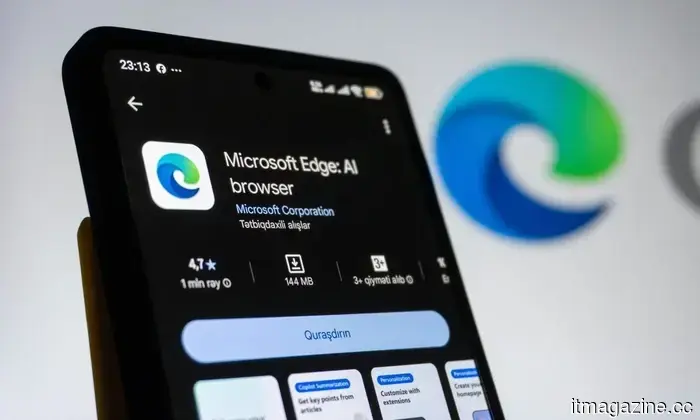 The mobile Edge browser has received a significant upgrade that makes it a strong competitor against Chrome.
Microsoft Edge is introducing features like Copilot tab reasoning, Journeys, Voice, and Vision for mobile, offering smartphone users a genuine incentive to give it a try before the launch of Chrome's Gemini upgrade.
The mobile Edge browser has received a significant upgrade that makes it a strong competitor against Chrome.
Microsoft Edge is introducing features like Copilot tab reasoning, Journeys, Voice, and Vision for mobile, offering smartphone users a genuine incentive to give it a try before the launch of Chrome's Gemini upgrade.
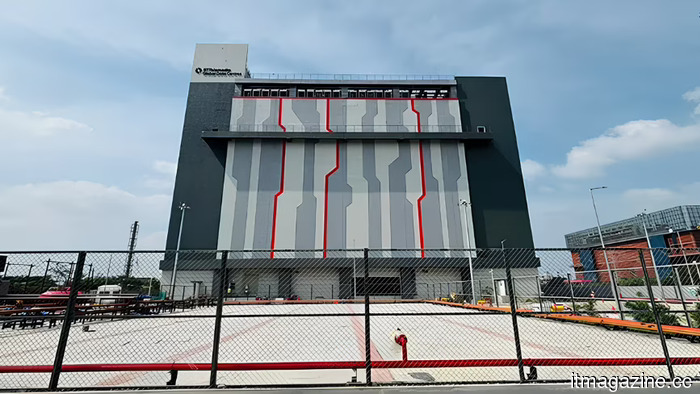 STT Global Data Centres is preparing for a $500 million listing in Mumbai, ahead of a crowded IPO lineup in 2026.
According to Bloomberg, STT Global Data Centres India is set to launch an IPO in Mumbai for up to $500 million, with bank presentations scheduled for next week and mandates expected to be finalized by the end of May. This IPO would position the company at the forefront of the 2026 data center listing lineup.
STT Global Data Centres is preparing for a $500 million listing in Mumbai, ahead of a crowded IPO lineup in 2026.
According to Bloomberg, STT Global Data Centres India is set to launch an IPO in Mumbai for up to $500 million, with bank presentations scheduled for next week and mandates expected to be finalized by the end of May. This IPO would position the company at the forefront of the 2026 data center listing lineup.
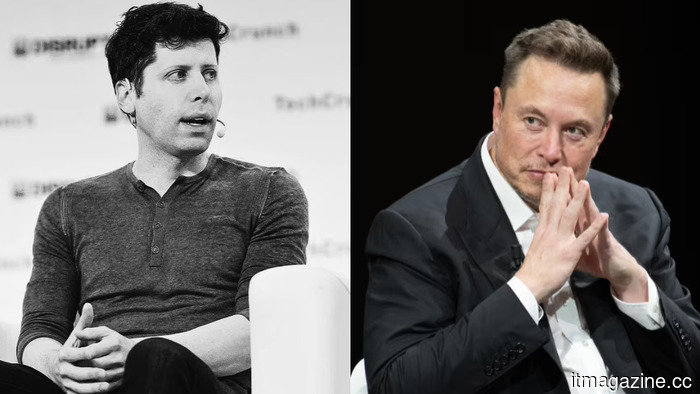 Jury deliberations are set to start in the OpenAI nonprofit trial following Musk's absence from the closing arguments to travel to Beijing.
Closing arguments in the case of Musk v. Altman concluded on Thursday in Oakland, and the jury will start deliberations on Monday. The case involves up to $134 billion in disgorgement and the structure of OpenAI.
Jury deliberations are set to start in the OpenAI nonprofit trial following Musk's absence from the closing arguments to travel to Beijing.
Closing arguments in the case of Musk v. Altman concluded on Thursday in Oakland, and the jury will start deliberations on Monday. The case involves up to $134 billion in disgorgement and the structure of OpenAI.
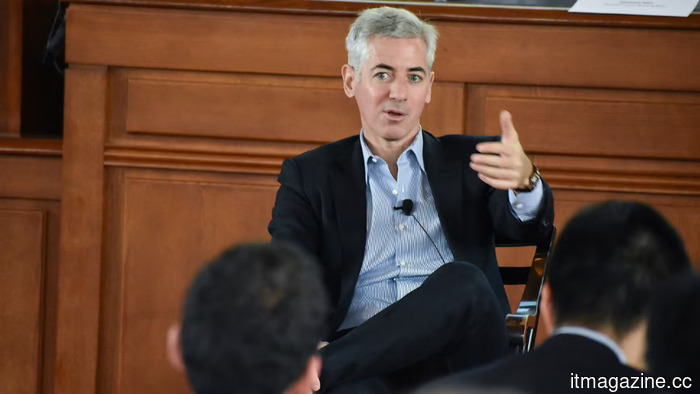 Bill Ackman invests in Microsoft, with details on the investment size to be revealed today.
On Friday, Bill Ackman announced that Pershing Square has acquired a new position in Microsoft following the stock's 16% decline since the beginning of the year. The 13F filing revealing the size of the stake is anticipated later in the day.
Bill Ackman invests in Microsoft, with details on the investment size to be revealed today.
On Friday, Bill Ackman announced that Pershing Square has acquired a new position in Microsoft following the stock's 16% decline since the beginning of the year. The 13F filing revealing the size of the stake is anticipated later in the day.
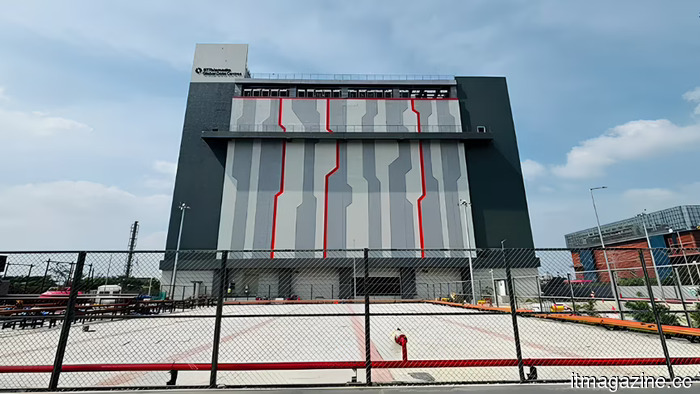 STT Global Data Centres is preparing for a $500 million listing in Mumbai, ahead of a competitive IPO lineup in 2026.
According to Bloomberg, STT Global Data Centres India is getting ready for an IPO in Mumbai of up to $500 million, with bank presentations scheduled for next week and mandates expected by the end of May. This would position it at the forefront of the data-centre listings for 2026.
STT Global Data Centres is preparing for a $500 million listing in Mumbai, ahead of a competitive IPO lineup in 2026.
According to Bloomberg, STT Global Data Centres India is getting ready for an IPO in Mumbai of up to $500 million, with bank presentations scheduled for next week and mandates expected by the end of May. This would position it at the forefront of the data-centre listings for 2026.
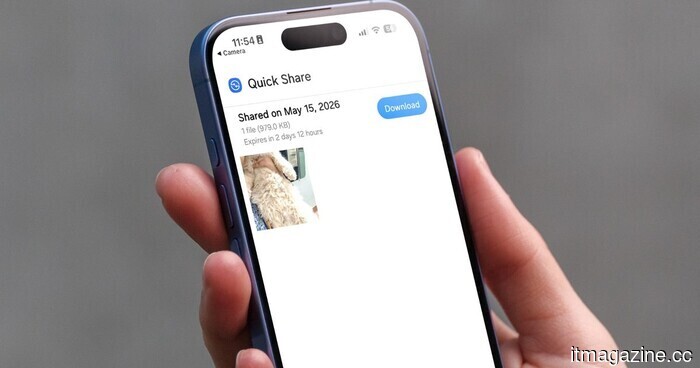 Your Android device can now transfer files to any iPhone by utilizing a Quick Share QR code.
Google is introducing a new QR code sharing feature in Quick Share, enabling Android users to transfer files to iPhones without the need for an additional app.
Your Android device can now transfer files to any iPhone by utilizing a Quick Share QR code.
Google is introducing a new QR code sharing feature in Quick Share, enabling Android users to transfer files to iPhones without the need for an additional app.
Samsung proposes discussions; the union responds with June, following the strike.
On Friday, Samsung proposed unconditional negotiations with the union. The NSEU agreed on June 7, just three days following the conclusion of its 18-day strike. Shares dropped by as much as 7.6%.