
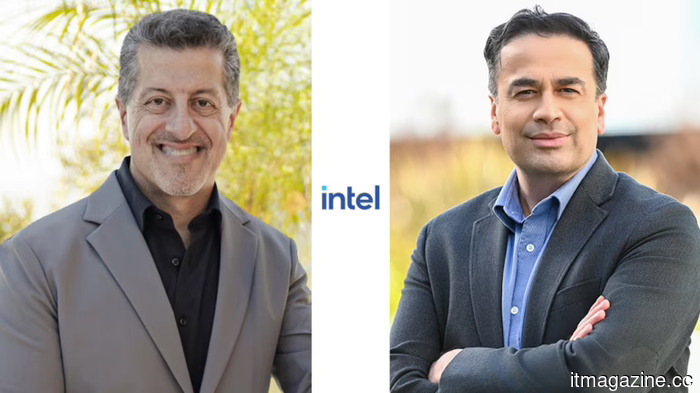
Intel has appointed Qualcomm veteran Alex Katouzian to head a new Client Computing and Physical AI division.
TL;DR: Alex Katouzian, a Qualcomm veteran of 25 years, has joined Intel to lead a newly merged Client Computing and Physical AI division. This marks the second significant Qualcomm hire by Lip-Bu Tan during his leadership at Intel. Since the beginning of his tenure, Tan has consistently focused on hiring from competitors, restructuring around new hires, and revitalizing the team. Intel’s most recent announcement involves Katouzian taking on the role of executive vice-president and general manager for the newly established Client Computing and Physical AI Group, where he will oversee efforts that intertwine traditional client computing with the emerging field of physical AI, which encompasses chips for robotics and autonomous systems.
The new role notably combines a newly defined mandate for Physical AI with Client Computing, recognizing the growing demand for chips capable of local computation in various applications. This shift aligns with Intel's strategy to face off against Qualcomm and other competitors in this evolving sector.
The timing of the hire aligns with Intel’s broader restructuring goals, especially its aim to enhance its manufacturing capabilities as a competitive alternative to TSMC. The appointment of Katouzian reflects a significant move towards reinforcing Intel's design capabilities in conjunction with its foundry strategies, which may include contracts with major companies like Apple.
Overall, the effectiveness of Tan's strategy hinges on whether Katouzian can apply the operational efficiency he fostered at Qualcomm to the larger and more complex structure of Intel. The next 18 months will be critical in determining if Intel can deliver on its physical AI chip line, maintain competitive standing in the PC market against AMD and ARM, and attract significant business on the foundry side. While outcomes remain uncertain, Tan's approach of strategic hiring and rapid restructuring has rejuvenated a company that had previously seemed stagnant for over a year and a half.
Other articles
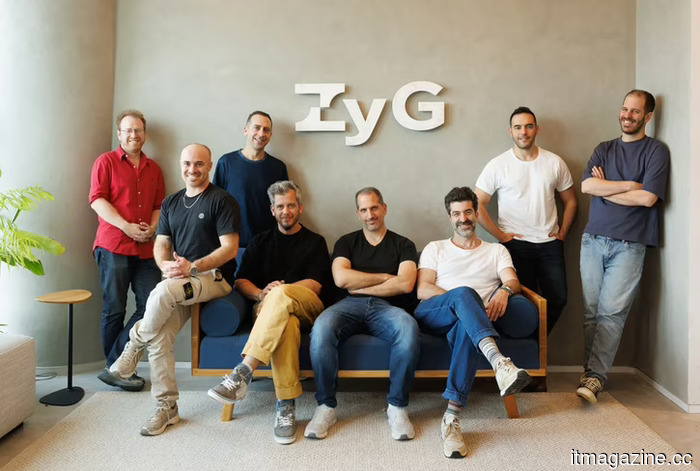 The founders of IronSource have secured $60 million at a $500 million valuation for Zyg, an AI platform designed to automate advertising in e-commerce.
Zyg secured $60 million in funding, with Accel leading the investment, at a valuation of $500 million just two months after emerging from stealth mode. The IronSource team is developing AI agents to take over the roles of human ad buyers for direct-to-consumer (DTC) brands.
The founders of IronSource have secured $60 million at a $500 million valuation for Zyg, an AI platform designed to automate advertising in e-commerce.
Zyg secured $60 million in funding, with Accel leading the investment, at a valuation of $500 million just two months after emerging from stealth mode. The IronSource team is developing AI agents to take over the roles of human ad buyers for direct-to-consumer (DTC) brands.
 Google, Microsoft, and xAI have consented to share evaluations of AI models with the government before their release, as the Mythos crisis necessitates an increase in oversight.
Five leading AI laboratories are now providing models for evaluation by the US government. This voluntary program lacks statutory authority but includes all significant AI developers following the Mythos crisis.
Google, Microsoft, and xAI have consented to share evaluations of AI models with the government before their release, as the Mythos crisis necessitates an increase in oversight.
Five leading AI laboratories are now providing models for evaluation by the US government. This voluntary program lacks statutory authority but includes all significant AI developers following the Mythos crisis.
 Fervo Energy has initiated a $1.33 billion IPO, marking it as the largest climate-tech offering of 2026.
Fervo Energy has initiated its IPO roadshow with the goal of raising up to $1.33 billion by pricing shares between $21 and $24, in a Nasdaq listing identified as the climate-tech option for the AI infrastructure sector.
Fervo Energy has initiated a $1.33 billion IPO, marking it as the largest climate-tech offering of 2026.
Fervo Energy has initiated its IPO roadshow with the goal of raising up to $1.33 billion by pricing shares between $21 and $24, in a Nasdaq listing identified as the climate-tech option for the AI infrastructure sector.
 Google, Microsoft, and xAI have consented to provide evaluations of AI models to the government before their release, as the Mythos crisis necessitates an increase in oversight.
Five leading AI laboratories are now presenting their models for assessment by the US government. This voluntary program lacks legal authority but includes all major AI developers following the Mythos crisis.
Google, Microsoft, and xAI have consented to provide evaluations of AI models to the government before their release, as the Mythos crisis necessitates an increase in oversight.
Five leading AI laboratories are now presenting their models for assessment by the US government. This voluntary program lacks legal authority but includes all major AI developers following the Mythos crisis.
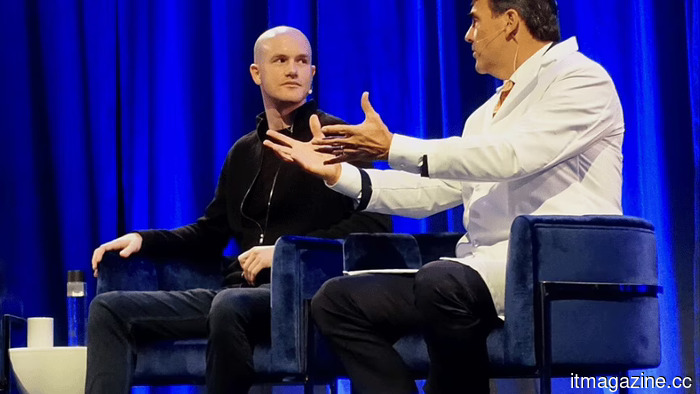 Coinbase reduces its workforce by 14% and restructures to focus on AI-driven pods as cryptocurrency revenue falls 26% and trading volumes reach an 18-month low.
Coinbase is reducing its workforce by 660 employees and reorganizing into AI-focused pods with a limitation of five management layers. Revenue for Q1 is projected to decline by 26% as cryptocurrency trading volumes decrease by 48%.
Coinbase reduces its workforce by 14% and restructures to focus on AI-driven pods as cryptocurrency revenue falls 26% and trading volumes reach an 18-month low.
Coinbase is reducing its workforce by 660 employees and reorganizing into AI-focused pods with a limitation of five management layers. Revenue for Q1 is projected to decline by 26% as cryptocurrency trading volumes decrease by 48%.
 Tesla’s rollout of FSD in Europe faces skepticism from regulators, a sentiment that Musk has been conveying.
Reuters has released internal communications from EU regulators demonstrating ongoing doubt regarding Tesla's assertions about the safety of its FSD and its rollout approach, even after receiving Dutch type approval in April.
Tesla’s rollout of FSD in Europe faces skepticism from regulators, a sentiment that Musk has been conveying.
Reuters has released internal communications from EU regulators demonstrating ongoing doubt regarding Tesla's assertions about the safety of its FSD and its rollout approach, even after receiving Dutch type approval in April.
Intel has appointed Qualcomm veteran Alex Katouzian to head a new Client Computing and Physical AI division.
Intel has brought on Alex Katouzian, who spent 25 years at Qualcomm, to head a newly formed Client Computing and Physical AI division. This marks the second high-profile recruitment from Qualcomm during CEO Lip-Bu Tan's leadership.