
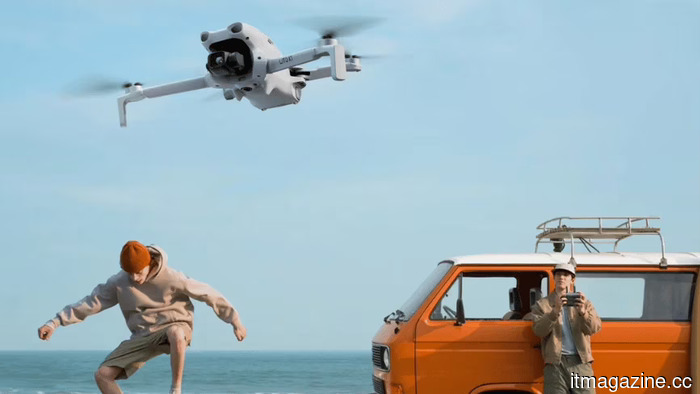
DJI has been prohibited in both Beijing and Washington due to security concerns surrounding drones, putting pressure on the world’s largest manufacturer from both ends.
**Summary:** DJI, which dominates up to 80% of the global consumer drone market, faces significant sales restrictions in both Beijing and Washington. Starting May 1, 2026, Beijing has prohibited all drone sales, while the US FCC has prevented new DJI products from obtaining market authorization since December 2025. The company anticipates a $1.5 billion loss in US revenue and worries that other Chinese cities may adopt similar regulations. On May 1, DJI's flagship store in Beijing, located in the Guomao business district, began removing all drone models from display due to a new legislative ban on sales, rentals, and transportation of drones in the capital. E-commerce sites like Taobao and JD.com stopped shipments to Beijing on the same day, where residents can no longer store more than three drones or ten essential components at one address without government consent. All drone owners in Beijing had to register their devices and confirm their identity by April 30, or face legal consequences for unregistered drones.
Meanwhile, in the US, the FCC placed DJI and other foreign drones on its Covered List for security reasons, denying new devices the necessary approvals for sale. DJI has suspended plans for 25 products intended for the US market in 2026, resulting in an estimated loss of $1.5 billion. A legal challenge against the FCC is currently ongoing.
The regulations in Beijing extend beyond just flying restrictions, regulating the full lifecycle of drone ownership—from purchase to disposal. All outdoor drone operations require prior approval, with hefty fines for violations. Officially, the motive behind these rules is security, given Beijing's sensitive political landscape, with concerns about drone incursions over critical sites.
Online reactions in China have been predominantly negative, with many users criticizing the regulations as overly broad. Sales of drones dropped significantly in mainland China, with many users trying to sell their drones on resale platforms before the registration deadline. The ban reflects Beijing’s tendency to prioritize state security over commercial interests, even affecting domestic companies like DJI.
Conversely, the US ban is grounded in national defense legislation requiring a security review of DJI by December 2025, which was not completed on time. This led to DJI's inclusion on the FCC Covered List, preventing new product sales while still allowing existing ones to remain legal.
The dual ban highlights a contradiction in China’s technology policy, which has simultaneously promoted a "low-altitude economy" while limiting drone usage in sensitive areas like Beijing. There are concerns that this regulatory model might spread to other cities, such as Shanghai and Guangzhou, which would further threaten DJI's business.
DJI, a privately held company, generates an estimated annual revenue of $4-5 billion, with the US being its most lucrative market. The ban in Beijing is significant not just financially but symbolically, as it signals challenges in the company's home market. Unlike other tech companies that might be banned in foreign markets but still supported at home, DJI finds itself constrained by both its government and its largest international market. The future remains uncertain for the company as it navigates these regulatory challenges imposed by both the world's largest economies.
Other articles
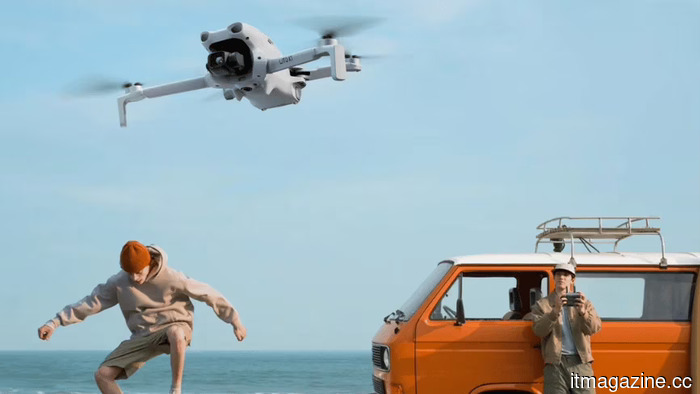 DJI faces bans in both Beijing and Washington as security concerns regarding drones pressure the world's leading manufacturer from both directions.
Beijing prohibited all drone sales starting May 1. In December, the US FCC halted the introduction of new DJI products. The company that pioneered the industry finds itself in a dilemma involving two governments.
DJI faces bans in both Beijing and Washington as security concerns regarding drones pressure the world's leading manufacturer from both directions.
Beijing prohibited all drone sales starting May 1. In December, the US FCC halted the introduction of new DJI products. The company that pioneered the industry finds itself in a dilemma involving two governments.
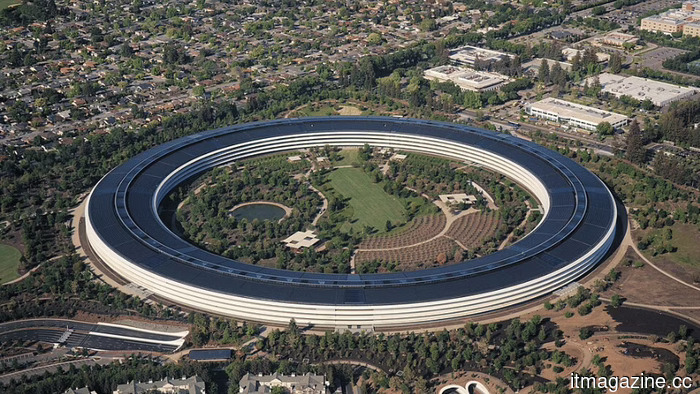 Apple abandons its net cash neutral goal as incoming CEO Ternus gets ready to invest in AI and make acquisitions.
Apple has discontinued its net cash neutral policy following Q2 earnings of $111.2 billion. Incoming CEO Ternus will have the ability to invest instead of returning all cash to shareholders.
Apple abandons its net cash neutral goal as incoming CEO Ternus gets ready to invest in AI and make acquisitions.
Apple has discontinued its net cash neutral policy following Q2 earnings of $111.2 billion. Incoming CEO Ternus will have the ability to invest instead of returning all cash to shareholders.
 Grok is set to be integrated with CarPlay as iOS 26.4 transforms the car dashboard into the next battleground for AI platforms.
Grok has been added to CarPlay alongside ChatGPT, Perplexity, Claude, and Gemini following the release of iOS 26.4, which allowed AI chatbots on the platform. The car dashboard has become the most competitive interface in technology.
Grok is set to be integrated with CarPlay as iOS 26.4 transforms the car dashboard into the next battleground for AI platforms.
Grok has been added to CarPlay alongside ChatGPT, Perplexity, Claude, and Gemini following the release of iOS 26.4, which allowed AI chatbots on the platform. The car dashboard has become the most competitive interface in technology.
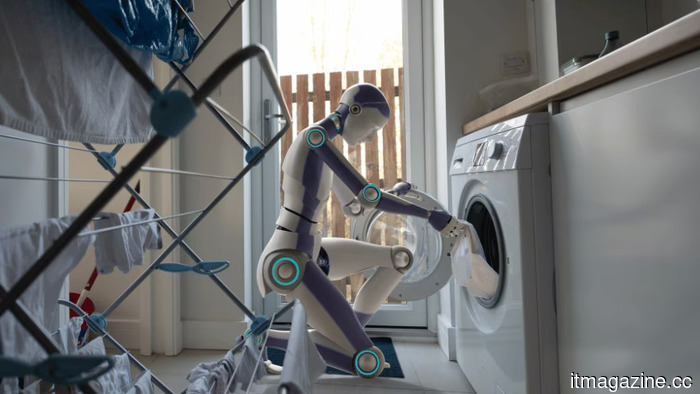 China's smartphone supply chain shifts focus to humanoid robots as Lingyi iTech aims for production of 500,000 units by 2030.
Lingyi iTech, Lens Technology, and Foxconn are converting their smartphone manufacturing facilities for humanoid robots. Morgan Stanley has increased its 2026 forecast for China to 28,000 units.
China's smartphone supply chain shifts focus to humanoid robots as Lingyi iTech aims for production of 500,000 units by 2030.
Lingyi iTech, Lens Technology, and Foxconn are converting their smartphone manufacturing facilities for humanoid robots. Morgan Stanley has increased its 2026 forecast for China to 28,000 units.
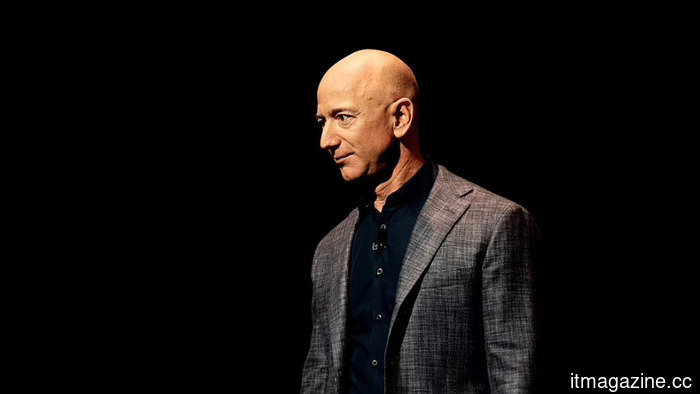 Amazon's revenue for Q1 reached $181.5 billion; however, a $16.8 billion gain from Anthropic has inflated net income, while free cash flow plummeted by 95%.
AWS experienced a 28% increase, reaching $37.6 billion, while Amazon's custom chip division surpassed $20 billion in annual revenue. However, over half of the net income was attributed to a revaluation of their investment in Anthropic.
Amazon's revenue for Q1 reached $181.5 billion; however, a $16.8 billion gain from Anthropic has inflated net income, while free cash flow plummeted by 95%.
AWS experienced a 28% increase, reaching $37.6 billion, while Amazon's custom chip division surpassed $20 billion in annual revenue. However, over half of the net income was attributed to a revaluation of their investment in Anthropic.
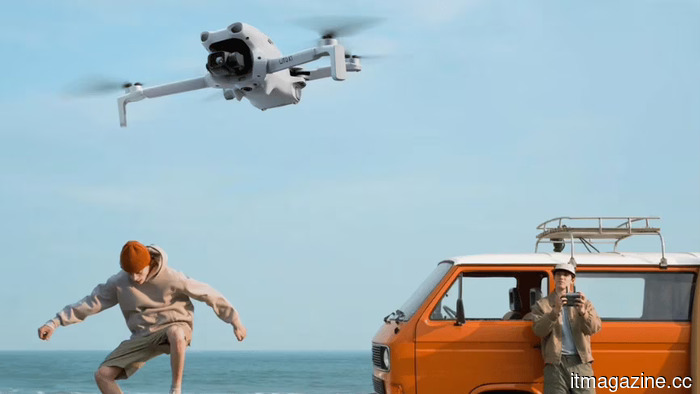 DJI has been prohibited in both Beijing and Washington as security concerns regarding drones press the world's largest manufacturer from both directions.
Beijing prohibited all drone sales starting May 1. In December, the US FCC halted new DJI products. The company that pioneered the industry now finds itself caught between two governments.
DJI has been prohibited in both Beijing and Washington as security concerns regarding drones press the world's largest manufacturer from both directions.
Beijing prohibited all drone sales starting May 1. In December, the US FCC halted new DJI products. The company that pioneered the industry now finds itself caught between two governments.
DJI has been prohibited in both Beijing and Washington due to security concerns surrounding drones, putting pressure on the world’s largest manufacturer from both ends.
Beijing prohibited all drone sales starting May 1. In December, the US FCC halted new products from DJI. The company that pioneered the industry is trapped between two governments.