
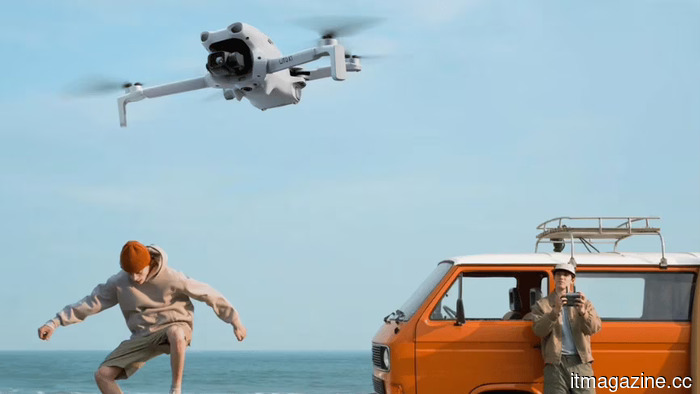
DJI has been prohibited in both Beijing and Washington as security concerns regarding drones press the world's largest manufacturer from both directions.
**TL;DR** DJI, which holds up to 80% of the global consumer drone market, can no longer sell its products in Beijing or Washington due to a ban on drone sales in China starting May 1, 2026, and a US FCC ruling blocking new DJI products from market authorization as of December 2025. The company projects a loss of $1.5 billion in revenue from the US and faces the risk of other Chinese cities adopting similar regulations as Beijing.
On May 1, staff at DJI’s main retail outlet in Beijing's Guomao business area began removing drones from their displays. The Neo, Mavic, Mini, and every model that helped DJI dominate the consumer electronics sector were taken down. The store was not closing but complying with a new law passed by Beijing's legislature in March that prohibits the sale, rental, and transport of drones into the city. E-commerce sites like Taobao and JD.com also stopped shipping drones to Beijing that same day. Within the city’s Sixth Ring Road, which spans about 2,288 square kilometers, residents are restricted from possessing more than three drones or ten critical components at one address without government consent. Drone owners in Beijing had until April 30 to register their devices with local police, complete a 30-minute exam via an official app, and confirm their identity. Any unregistered drones are now illegal.
Five months prior, the United States Federal Communications Commission added DJI and all other foreign-made drones to its Covered List due to national security concerns, preventing new devices from obtaining the authorization necessary for legal sale in the US. DJI claims that 25 new products intended for the US market in 2026 are now on hold, leading to an estimated $1.5 billion in lost revenue. The company filed a lawsuit in the Ninth Circuit in February, arguing that the FCC's decision was procedurally flawed and unconstitutional. The case is ongoing, with no resolution anticipated.
DJI, which invented the modern consumer drone and commands between 54% and 80% of the global market depending on the segment, is now unable to sell its products in either Washington or Beijing.
**The Beijing approach**
The regulations in Beijing are all-encompassing, extending well beyond just limiting flight activities. The entire process of drone ownership—covering purchase, transport, storage, registration, flight, and disposal—is now strictly regulated. All outdoor flights within Beijing require prior approval from authorities, and individuals who fly without permission risk fines of up to 10,000 yuan (approximately $1,460) and the confiscation of their drones. Storage violations can result in fines of 5,000 yuan for individuals and 10,000 yuan for businesses. Drones and essential components cannot be transported into the city without permission and can only be carried by registered owners who have verified their identity with police.
The reasoning offered for these regulations is security. As the political heart of China, Beijing is home to the Communist Party’s leadership at Zhongnanhai, the Great Hall of the People, military facilities, and government ministries. The rise in drone incursions over sensitive sites worldwide has prompted the regulations, reflecting a belief that the security risks posed by unregulated consumer drones in a capital city overshadow their commercial and recreational value.
Reactions online have been intense, with users on Chinese social media labeling the rules as a “crazy one-size-fits-all system.” Drone retailers throughout mainland China reported significant declines in sales in April, as consumers were hesitant to purchase equipment that could potentially be illegal. The market for used drones surged on resale platforms as Beijing residents tried to sell devices before the registration deadline. China has shown a readiness to assert control over its technology sector aggressively, from blocking foreign acquisitions to imposing mandatory labeling standards for AI content. The drone ban aligns with a trend in which state security is prioritized over commercial freedom, even at the expense of a Chinese enterprise.
**The Washington approach**
The American ban draws on different mechanisms but reaches a similar conclusion. Under the National Defense Authorization Act, Congress mandated that a US national security agency conduct a formal review of DJI by December 23, 2025. With no agency completing the review by the deadline, DJI was automatically added to the FCC Covered List, inhibiting new products from receiving the requisite authorization for import and sale. Existing DJI drones that already have FCC approval remain legal for ownership and operation, but new models cannot enter the market.
The FCC presented the action as a protective measure for American airspace ahead of significant upcoming events, such as the 2026 FIFA World Cup, America250 celebrations, and the 2028 Los Angeles Summer Olympics. The Pentagon has referenced classified intelligence to justify the designation, although DJI contends that no specific security threat related to its products has been made public. The trend of Western governments restricting Chinese tech firms for national security reasons has expanded from Huawei’s exclusion from 5G networks to now encompass drones, connected vehicles,
Other articles
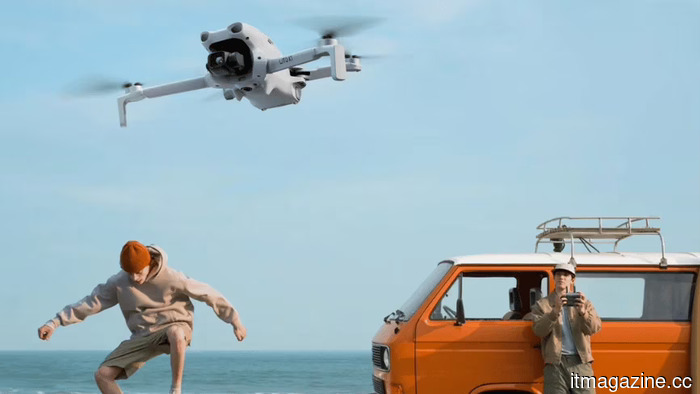 DJI faces bans in both Beijing and Washington as security concerns regarding drones pressure the world's leading manufacturer from both directions.
Beijing prohibited all drone sales starting May 1. In December, the US FCC halted the introduction of new DJI products. The company that pioneered the industry finds itself in a dilemma involving two governments.
DJI faces bans in both Beijing and Washington as security concerns regarding drones pressure the world's leading manufacturer from both directions.
Beijing prohibited all drone sales starting May 1. In December, the US FCC halted the introduction of new DJI products. The company that pioneered the industry finds itself in a dilemma involving two governments.
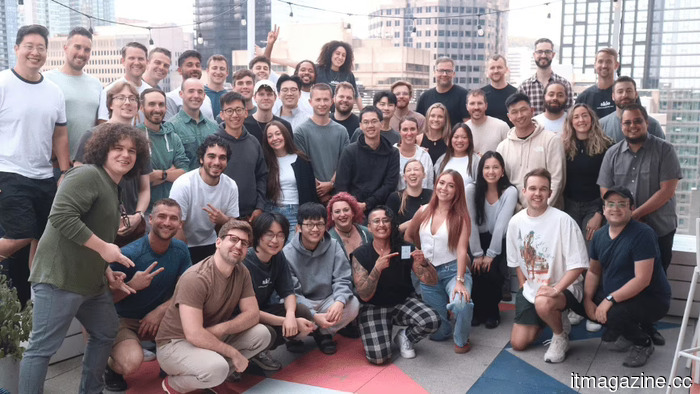 Skio, which received support from Y Combinator, was sold to Recharge for $105 million in cash after achieving an annual recurring revenue of $32 million without a marketing or sales team.
Skio secured $8M in funding, achieved an annual recurring revenue of $32M without a sales team or advertisements, and was acquired by Recharge, a competitor of Shopify in the subscription space, for $105M in cash. The founder has also launched an AI startup named Icon.
Skio, which received support from Y Combinator, was sold to Recharge for $105 million in cash after achieving an annual recurring revenue of $32 million without a marketing or sales team.
Skio secured $8M in funding, achieved an annual recurring revenue of $32M without a sales team or advertisements, and was acquired by Recharge, a competitor of Shopify in the subscription space, for $105M in cash. The founder has also launched an AI startup named Icon.
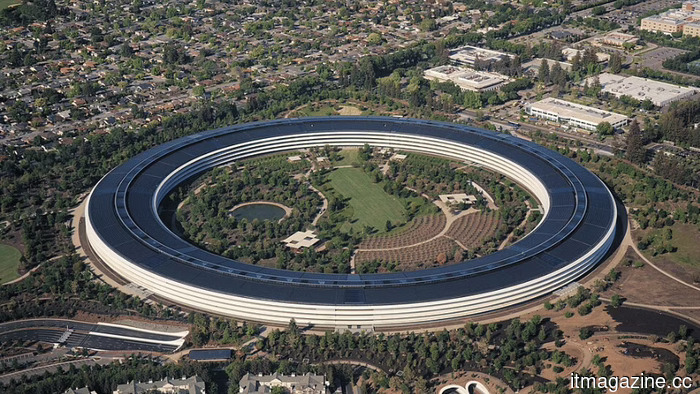 Apple abandons its net cash neutral goal as incoming CEO Ternus gets ready to invest in AI and make acquisitions.
Apple has discontinued its net cash neutral policy following Q2 earnings of $111.2 billion. Incoming CEO Ternus will have the ability to invest instead of returning all cash to shareholders.
Apple abandons its net cash neutral goal as incoming CEO Ternus gets ready to invest in AI and make acquisitions.
Apple has discontinued its net cash neutral policy following Q2 earnings of $111.2 billion. Incoming CEO Ternus will have the ability to invest instead of returning all cash to shareholders.
 LG's newest luxurious gaming monitor features a 45-inch OLED display that achieves 330Hz at 5K resolution.
The LG UltraGear 45GX950B incorporates AI functionalities such as upscaling and scene optimization, while maintaining the same OLED panel and key specifications as its previous model.
LG's newest luxurious gaming monitor features a 45-inch OLED display that achieves 330Hz at 5K resolution.
The LG UltraGear 45GX950B incorporates AI functionalities such as upscaling and scene optimization, while maintaining the same OLED panel and key specifications as its previous model.
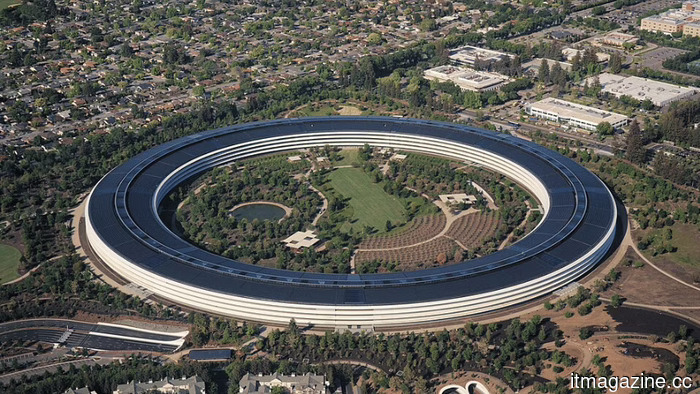 Apple abandons its net cash neutral goal as incoming CEO Ternus gets ready to make investments in AI and acquisitions.
Apple has discontinued its net cash neutral policy following Q2 earnings of $111.2 billion. Incoming CEO Ternus will now have the ability to invest instead of solely returning cash to shareholders.
Apple abandons its net cash neutral goal as incoming CEO Ternus gets ready to make investments in AI and acquisitions.
Apple has discontinued its net cash neutral policy following Q2 earnings of $111.2 billion. Incoming CEO Ternus will now have the ability to invest instead of solely returning cash to shareholders.
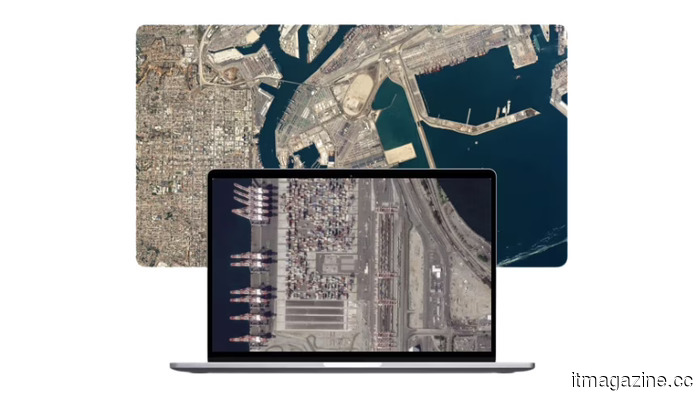 Planet Labs introduces three additional Pelican satellites, buoyed by a $900 million backlog and defense contracts that contribute to its first year of profitability.
Planet Labs initiated the launch of Pelicans 7-9 equipped with Nvidia AI, progressing towards a 32-satellite constellation. The company has achieved profitability, boasting a backlog of $900 million along with significant contracts with NATO and the NRO.
Planet Labs introduces three additional Pelican satellites, buoyed by a $900 million backlog and defense contracts that contribute to its first year of profitability.
Planet Labs initiated the launch of Pelicans 7-9 equipped with Nvidia AI, progressing towards a 32-satellite constellation. The company has achieved profitability, boasting a backlog of $900 million along with significant contracts with NATO and the NRO.
DJI has been prohibited in both Beijing and Washington as security concerns regarding drones press the world's largest manufacturer from both directions.
Beijing prohibited all drone sales starting May 1. In December, the US FCC halted new DJI products. The company that pioneered the industry now finds itself caught between two governments.