
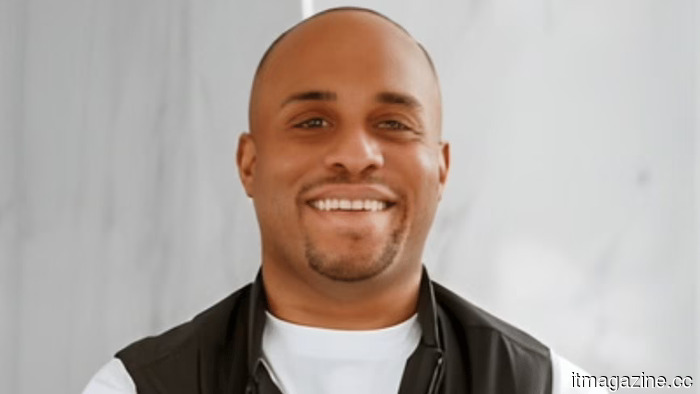
Scholly's founder, Christopher Gray, has filed a lawsuit against Sallie Mae, claiming wrongful termination and the sale of student data, including that of minors.
**Summary**: Christopher Gray, the founder of the scholarship app Scholly, which has 5 million users and received backing from Shark Tank, is suing its acquirer, Sallie Mae, in Delaware Superior Court and has also filed a whistleblower complaint with the SEC. He claims that Sallie Mae dismissed his co-founders, terminated his employment for voicing concerns about data privacy, and is selling users’ personal information—including minors’ age, gender, race, and financial status—to third parties. Sallie Mae rejects these allegations.
Christopher Gray created Scholly to assist students in finding scholarships similar to the way he found success himself. Growing up in Birmingham, Alabama, he became the first in his family to attend college, securing $1.3 million in scholarships to Drexel University. He transformed his experience into a mobile application that connected students with financial aid based on their profiles. Scholly attracted five million users, participated in Shark Tank in 2015 where Lori Greiner and Daymond John invested, and achieved the top spot in both app stores. In 2023, Sallie Mae, a company known for its association with the U.S. student debt crisis, purchased Scholly. Gray is now suing Sallie Mae in Delaware Superior Court and has submitted a whistleblower complaint to the SEC, claiming that Sallie Mae laid off the Scholly founding team, dismissed him for raising data privacy issues, and is selling users' personal data, including that of minors, to third parties. The information being reportedly sold includes sensitive details such as age, gender, race, and financial standing. Rather than alleviating students' financial burdens, the company is accused of profiting from their private information.
**The Acquisition**: Sallie Mae acquired Scholly in 2023 in a strategy to expand beyond student lending into what it termed student financial wellness. The acquisition provided access to five million users, mainly students and their families, who willingly shared detailed personal and financial information for scholarship matching. For Scholly’s users, the app was created by someone who empathized with their situation as a first-generation college student familiar with the scholarship process, automating it for others. For Sallie Mae, the acquisition was seen as a way to reach a demographic likely to need student loans later, though the publicly stated purpose was to assist students in securing free financial aid.
Gray had previously spoken positively about the acquisition, advising other founders on leveraging AI and highlighting the deal’s benefits for historically Black colleges and universities. However, according to the lawsuit, tensions began in July 2024 when Sallie Mae laid off the Scholly founding team, including Gray's co-founders. He claims to have overheard Sallie Mae executives discussing plans to sell Scholly user data during meetings. After raising concerns about privacy, he was terminated roughly a year after the acquisition, which he alleges was retaliation for opposing practices he believed breached the company's commitments to its users.
**The Allegations**: The lawsuit and SEC complaint involve two main claims: wrongful termination and the sale of user data without proper disclosure. Gray contends that Sallie Mae sold data obtained from the Scholly app, including minors’ information, to third parties without adequately informing users. The information allegedly sold is among the most sensitive types of personal data, particularly regarding minors who registered for a scholarship search rather than a data exchange. Gray seeks back pay, punitive damages, and legal costs, while Sallie Mae denies the accusations and intends to contest the lawsuit.
**The Context**: Sallie Mae has faced a history of regulatory and legal challenges regarding its treatment of borrowers. The Department of Justice previously settled with the company over claims of charging service members excessive interest, and the FDIC addressed unfair practices. Borrowers have also accused the organization of racial discrimination in lending. In 2014, the company split to differentiate its federal loan servicing from its private lending operations, which were mired in regulatory issues. The Scholly acquisition aimed to enhance Sallie Mae's image in the student finance sector, providing tools and resources instead of merely offering loans. If Gray's allegations hold true, the rebranding may have been superficial, as the company utilized a beloved tool as a means to monetize user data rather than serve their needs.
Founders do not always experience the outcomes they imagined when selling their startups. The power dynamic shifts dramatically upon acquisition, with the original founder, who developed the product, acquired users, and outlined the mission, relegated to an employee role subject to the new owner's directives. When the acquirer's business model contradicts the founder’s initial vision, that founder is often left to choose between accommodation or departure. Gray claims he was not afforded the option to adapt; instead, he was fired for raising concerns. The case is set to be determined by Delaware Superior Court while the SEC will independently review the whistleblower complaint. The broader issue raised by the lawsuit is whether the multitude of users who shared their personal information with Scholly—a
Other articles
 Google has finalized a classified AI agreement with the Pentagon for
Google provided the Pentagon with classified access to Gemini for "any lawful purpose" just one day after more than 580 employees voiced their objections. Additionally, the company withdrew from a $100 million drone swarm competition following an ethics assessment.
Google has finalized a classified AI agreement with the Pentagon for
Google provided the Pentagon with classified access to Gemini for "any lawful purpose" just one day after more than 580 employees voiced their objections. Additionally, the company withdrew from a $100 million drone swarm competition following an ethics assessment.
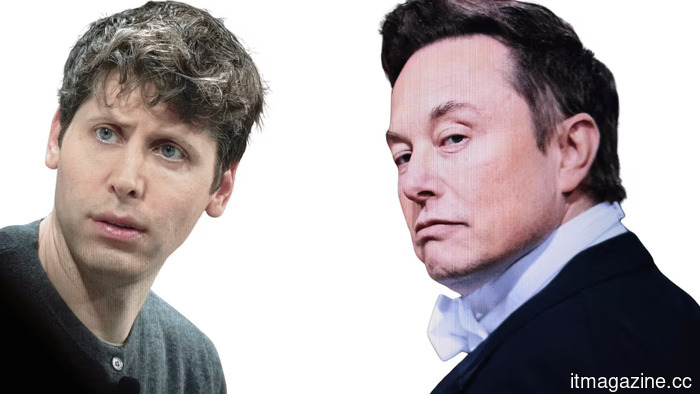 Musk v. Altman opening statements:
The opening arguments in the Musk-Altman trial highlighted the strategies of both parties. Musk's attorney claimed, "they took a charity." In contrast, OpenAI's attorney stated, "he resigned and filed a lawsuit after they achieved success." Musk was the first to testify.
Musk v. Altman opening statements:
The opening arguments in the Musk-Altman trial highlighted the strategies of both parties. Musk's attorney claimed, "they took a charity." In contrast, OpenAI's attorney stated, "he resigned and filed a lawsuit after they achieved success." Musk was the first to testify.
 Logitech’s latest G512 X gaming keyboard combines top-tier performance with extensive customization options.
Logitech's newest gaming keyboard offers PC gamers additional options to customize, adjust, and display their setup, including the responsiveness of each key.
Logitech’s latest G512 X gaming keyboard combines top-tier performance with extensive customization options.
Logitech's newest gaming keyboard offers PC gamers additional options to customize, adjust, and display their setup, including the responsiveness of each key.
 OpenAI states that it is
OpenAI characterized a WSJ report regarding missed targets as mere clickbait. In reaction, investors sold shares of Oracle, CoreWeave, SoftBank, and semiconductor stocks. The crucial question remains whether the $600 billion in commitments remains viable.
OpenAI states that it is
OpenAI characterized a WSJ report regarding missed targets as mere clickbait. In reaction, investors sold shares of Oracle, CoreWeave, SoftBank, and semiconductor stocks. The crucial question remains whether the $600 billion in commitments remains viable.
 From Audio to Home Technology: Factors to Consider This Mother's Day
The transition to over-the-counter hearing aids has transformed the way individuals manage their hearing health. Issues that were previously postponed because of expense or complexity can now be tackled sooner, thanks to devices that are simpler to use and much more adaptable to everyday life. This is significant not only for older users but also for a […]
From Audio to Home Technology: Factors to Consider This Mother's Day
The transition to over-the-counter hearing aids has transformed the way individuals manage their hearing health. Issues that were previously postponed because of expense or complexity can now be tackled sooner, thanks to devices that are simpler to use and much more adaptable to everyday life. This is significant not only for older users but also for a […]
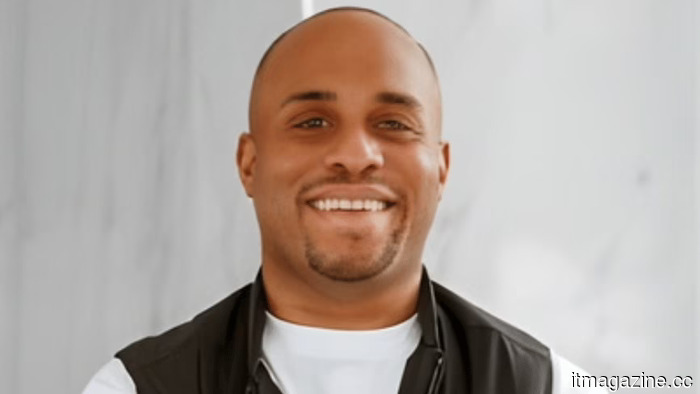 Scholly's founder, Christopher Gray, has filed a lawsuit against Sallie Mae, claiming wrongful termination and the unauthorized sale of student data that includes information about minors.
Christopher Gray created Scholly to assist students in finding scholarships. Following its acquisition by Sallie Mae, he claims he was terminated for raising concerns about the sale of users' personal data, including information about minors.
Scholly's founder, Christopher Gray, has filed a lawsuit against Sallie Mae, claiming wrongful termination and the unauthorized sale of student data that includes information about minors.
Christopher Gray created Scholly to assist students in finding scholarships. Following its acquisition by Sallie Mae, he claims he was terminated for raising concerns about the sale of users' personal data, including information about minors.
Scholly's founder, Christopher Gray, has filed a lawsuit against Sallie Mae, claiming wrongful termination and the sale of student data, including that of minors.
Christopher Gray created Scholly to assist students in locating scholarships. Following its acquisition by Sallie Mae, he claims he was dismissed for protesting the sale of users' personal data, which included information about minors.