
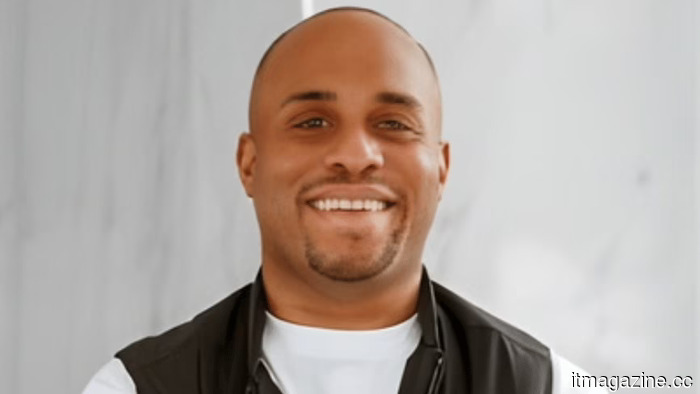
Scholly's founder, Christopher Gray, has filed a lawsuit against Sallie Mae, claiming wrongful termination and the unauthorized sale of student data that includes information about minors.
TL;DR Christopher Gray, the founder of the scholarship app Scholly, which has 5 million users and was backed by Shark Tank, is filing a lawsuit against Sallie Mae in Delaware Superior Court and has also submitted a whistleblower complaint to the SEC. He claims that Sallie Mae dismissed his co-founders, terminated him for voicing concerns about data privacy, and is selling users’ personal information, including details about minors, to third parties. Sallie Mae denies these allegations.
Gray created Scholly to assist students like himself in locating scholarships. Growing up in Birmingham, Alabama, he became the first in his family to attend college after earning $1.3 million in scholarships to Drexel University. He transformed this experience into a mobile app designed to connect students with financial aid opportunities based on their profiles. The app gained five million users, appeared on Shark Tank in 2015 where Lori Greiner and Daymond John both invested, and achieved the top download status in both app stores. In 2023, Sallie Mae, a student lending company synonymous with the American student debt crisis, acquired Scholly. Gray is now taking legal action against his acquirer in Delaware Superior Court and has lodged a whistleblower complaint with the SEC, claiming that Sallie Mae laid off his co-founders, terminated him for raising data privacy concerns, and is selling Scholly users' personal data, including information about minors, to third parties. The data reportedly sold includes students’ age, gender, race, and financial status. The company that purchased an app aimed at easing students' financial burdens is accused of profiting from their most sensitive information.
The acquisition occurred as Sallie Mae aimed to pivot beyond its core student lending business towards an approach defined as student financial wellness. This acquisition allowed Sallie Mae to access five million users, primarily students and their families, who had willingly provided extensive personal and financial details in return for scholarship matching services. Scholly’s users saw the app as a tool designed by someone with firsthand experience navigating the scholarship process as a first-generation college student. For Sallie Mae, the acquisition served as a channel to reach a demographic likely to need student loans, although the company publicly framed the deal as an effort to assist students in locating free financial resources prior to borrowing.
Initially, Gray spoke positively about the acquisition, sharing insights with founders on creating AI-driven companies and noting that the deal led to heightened support for historically Black colleges and universities. This relationship seemed stable until early 2024, when the lawsuit indicates the situation deteriorated in July 2024, when Sallie Mae laid off the Scholly founding team, including Gray’s co-founders. Gray asserts that around this time, he overheard Sallie Mae executives discuss intentions to sell Scholly user data. After raising concerns about data privacy, he was terminated roughly one year after the acquisition, with the lawsuit alleging his firing was retaliation for opposing practices he believed violated the commitments Sallie Mae had made to Scholly users.
The allegations focus on two main claims: wrongful termination and the purported sale of user data without proper disclosure. Gray asserts that Sallie Mae sold data collected through the Scholly app, including sensitive information about minors, to third parties without adequately informing users. The alleged sold data includes categories like age, gender, race, and financial status, which are particularly sensitive when related to minors who signed up for a scholarship tool rather than a data marketplace. Gray seeks back pay, punitive damages, and legal fees. Sallie Mae has refuted the allegations and stated its intention to contest the lawsuit.
This case highlights several factors influencing the technology industry. In the tech sector, startup acquisitions often follow a pattern where the acquiring firm absorbs the startup's user base and technology while dismantling the team responsible for its development. The economic rationale is straightforward: the users and their data are the real assets, not the founders or the vision for the product. When the acquiring company's business model hinges on monetizing the type of data the startup collected, the founder’s original vision becomes a hindrance rather than a benefit. Gray’s lawsuit claims he became that hindrance when he objected to a use of his users’ data that contradicted the implicit agreement between Scholly and its users: that students would share their personal information for scholarship matches, not for resale to third parties by a major private student lender.
Sallie Mae has faced a history of regulatory and legal issues regarding its treatment of borrowers. The company reached a $60 million settlement with the Justice Department for allegedly charging service members excessive interest. The FDIC has settled with Sallie Mae over claims of unfair and deceptive practices. Borrowers have also accused the firm of racial discrimination in lending. In 2014, the company split into Navient, which services federal loans, and Sallie Mae, which focuses on private lending and banking, partially to distance the private lending operations from the regulatory complications of the federal loan portfolio. The Scholly acquisition was
Other articles
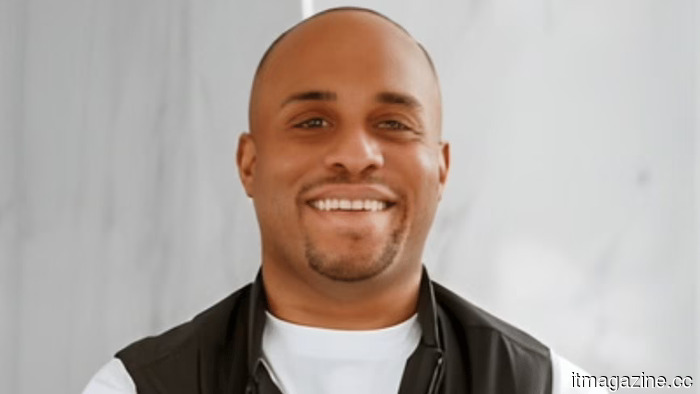 Scholly's founder, Christopher Gray, has filed a lawsuit against Sallie Mae, claiming wrongful termination and the sale of student data, including that of minors.
Christopher Gray created Scholly to assist students in locating scholarships. Following its acquisition by Sallie Mae, he claims he was dismissed for protesting the sale of users' personal data, which included information about minors.
Scholly's founder, Christopher Gray, has filed a lawsuit against Sallie Mae, claiming wrongful termination and the sale of student data, including that of minors.
Christopher Gray created Scholly to assist students in locating scholarships. Following its acquisition by Sallie Mae, he claims he was dismissed for protesting the sale of users' personal data, which included information about minors.
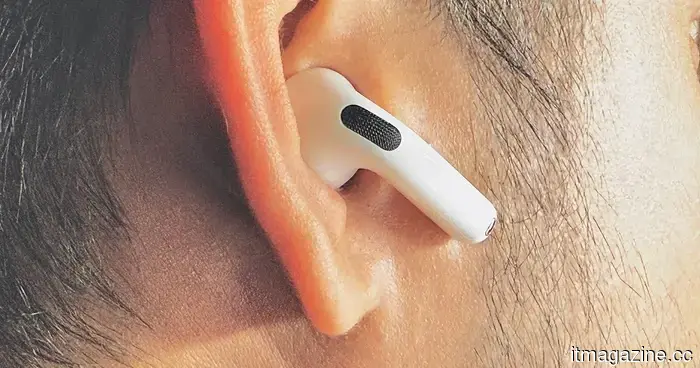 The LibrePods app, designed to enhance compatibility between AirPods and Android devices, has finally resolved its most significant problem.
LibrePods, the application that enables AirPods functionalities on Android devices, is now more user-friendly thanks to its availability on the Play Store and a decreased dependence on potentially risky root access.
The LibrePods app, designed to enhance compatibility between AirPods and Android devices, has finally resolved its most significant problem.
LibrePods, the application that enables AirPods functionalities on Android devices, is now more user-friendly thanks to its availability on the Play Store and a decreased dependence on potentially risky root access.
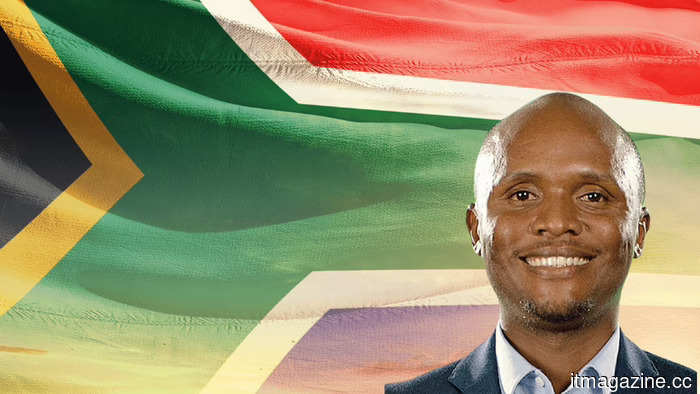 South Africa retreats from its national AI policy following the discovery that at least 6 out of 67 academic citations were identified as AI-generated fabrications.
South Africa withdrew its proposed AI policy after News24 discovered fabricated citations in actual journals. Minister Malatsi termed it an "unacceptable lapse." The integrity of the policy aimed at regulating AI was compromised by this issue.
South Africa retreats from its national AI policy following the discovery that at least 6 out of 67 academic citations were identified as AI-generated fabrications.
South Africa withdrew its proposed AI policy after News24 discovered fabricated citations in actual journals. Minister Malatsi termed it an "unacceptable lapse." The integrity of the policy aimed at regulating AI was compromised by this issue.
 Samsung is facing a potential ban on its foldable phones in the US due to a patent dispute.
A recent lawsuit alleges that Samsung has violated patents related to foldable phones and is requesting a ban on sales in the US, although these allegations have yet to be substantiated.
Samsung is facing a potential ban on its foldable phones in the US due to a patent dispute.
A recent lawsuit alleges that Samsung has violated patents related to foldable phones and is requesting a ban on sales in the US, although these allegations have yet to be substantiated.
 Nvidia discreetly announced a new version of the GeForce RTX 5070 GPU within a driver blog post.
Nvidia's latest 12GB GeForce RTX 5070 Laptop GPU employs a different GDDR7 memory format to tackle supply issues, offering laptop manufacturers a third configuration option in addition to the current 8GB variant.
Nvidia discreetly announced a new version of the GeForce RTX 5070 GPU within a driver blog post.
Nvidia's latest 12GB GeForce RTX 5070 Laptop GPU employs a different GDDR7 memory format to tackle supply issues, offering laptop manufacturers a third configuration option in addition to the current 8GB variant.
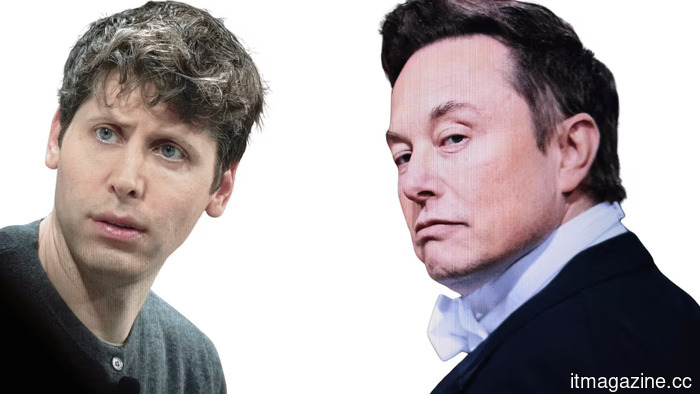 Musk v. Altman opening statements:
The opening arguments in the Musk-Altman trial highlighted the strategies of both parties. Musk's attorney claimed, "they took a charity." In contrast, OpenAI's attorney stated, "he resigned and filed a lawsuit after they achieved success." Musk was the first to testify.
Musk v. Altman opening statements:
The opening arguments in the Musk-Altman trial highlighted the strategies of both parties. Musk's attorney claimed, "they took a charity." In contrast, OpenAI's attorney stated, "he resigned and filed a lawsuit after they achieved success." Musk was the first to testify.
Scholly's founder, Christopher Gray, has filed a lawsuit against Sallie Mae, claiming wrongful termination and the unauthorized sale of student data that includes information about minors.
Christopher Gray created Scholly to assist students in finding scholarships. Following its acquisition by Sallie Mae, he claims he was terminated for raising concerns about the sale of users' personal data, including information about minors.