
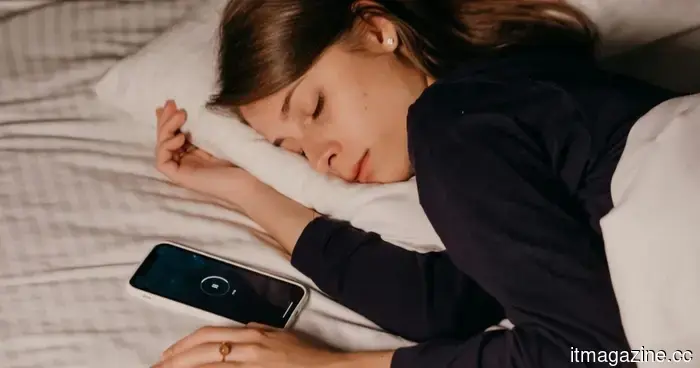
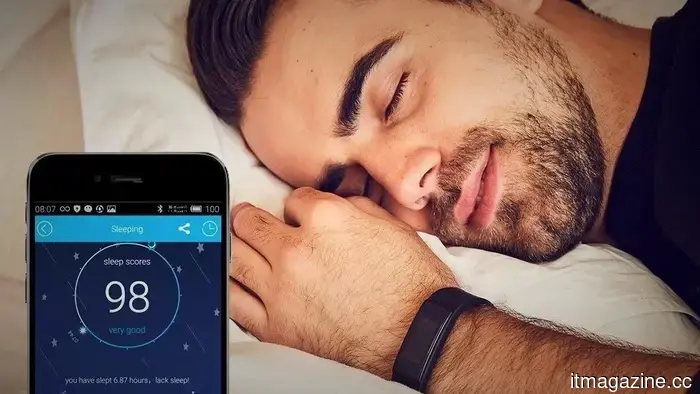
Sleep apps can be beneficial for keeping a healthy routine, but they can also add stress for those who suffer from insomnia.
Your sleep tracker may be the cause of your ongoing anxiety about sleep.
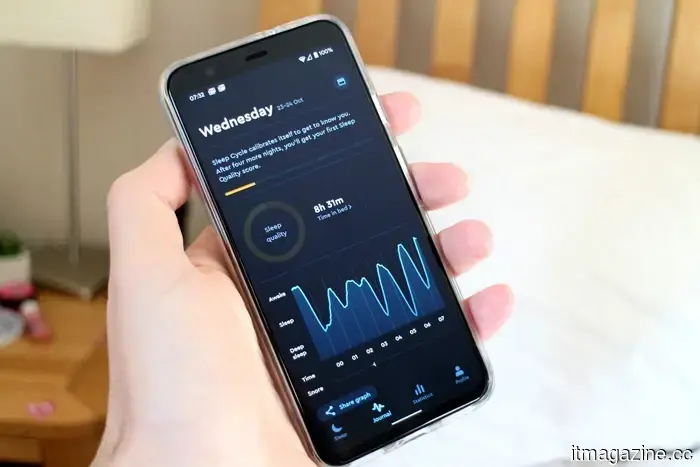
If you use a sleep tracking app, you're not alone; a recent study published in Frontiers in Psychology surveyed 1,002 adults in Norway and discovered that nearly half had utilized a sleep app at some point, with women and younger adults being the most common users.
However, the results present a complex scenario. These apps are not universally beneficial, and for individuals already facing sleep difficulties, they could potentially exacerbate the issue.
What are the real advantages of using a sleep app?
For many users, the primary benefit was gaining insights into their sleeping habits. Approximately 48% reported that the app offered valuable information about their sleep. About 44% deemed the apps overall beneficial, while a smaller segment, around 15%, stated that their sleep had improved.
Younger users aged 18 to 35 noted the most significant positive impacts, including increased motivation to prioritize sleep and the cultivation of healthier habits. Researchers suggest that this may be partly due to younger individuals' frequent use of screens in bed, providing them more opportunities for improvement.
How do sleep apps worsen insomnia for some individuals?
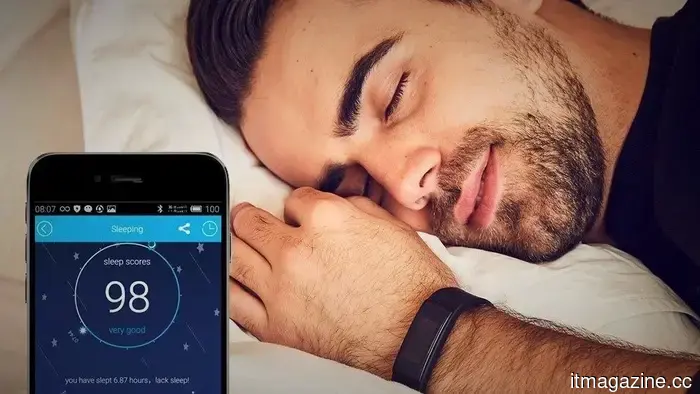
Those experiencing symptoms of insomnia were notably more likely to report negative outcomes. They often found themselves worrying more about their sleep after reviewing the app data and felt that something was wrong with them. This aligns with existing knowledge about insomnia.
Individuals with sleep challenges typically exhibit heightened awareness of sleep-related information, and an app that consistently presents data about sleep deficiencies can intensify that anxiety. Researchers have coined a term for this phenomenon: orthosomnia, which refers to an excessive focus on sleep data that ironically exacerbates the issue.
The researchers involved in the study suggest that insomniacs should understand what their app measures and its reliability. If the information causes stress, they recommend turning off notifications or disconnecting the device at night. Going to bed only when genuinely tired, rather than adhering to a strict schedule, was also emphasized as a more effective approach for long-term sleep health.
For those serious about enhancing their sleep beyond mere tracking, the Eight Sleep Pod may be worth considering.

Other articles
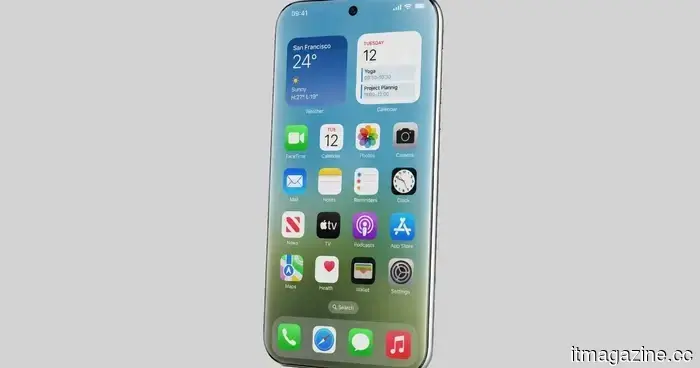 The iPhone's reintroduction of curved screens may be a smart move, rather than just curved glass.
Leaker Ice Universe suggests that Apple's iPhone for its 20th anniversary may incorporate a "Liquid Glass Display," a new display technology that uses optical illusions to significantly minimize the appearance of bezels, rather than relying solely on curves.
The iPhone's reintroduction of curved screens may be a smart move, rather than just curved glass.
Leaker Ice Universe suggests that Apple's iPhone for its 20th anniversary may incorporate a "Liquid Glass Display," a new display technology that uses optical illusions to significantly minimize the appearance of bezels, rather than relying solely on curves.
 Toyota has created a gaming chair that likely costs more than your entire gaming setup.
Toyota transformed the front seat of its Crown vehicle into an incredibly luxurious desk chair, equipped with heating, ventilation, powered adjustments, and a USB-C port located where the seat belt buckle typically is. The cost? Almost $3,500.
Toyota has created a gaming chair that likely costs more than your entire gaming setup.
Toyota transformed the front seat of its Crown vehicle into an incredibly luxurious desk chair, equipped with heating, ventilation, powered adjustments, and a USB-C port located where the seat belt buckle typically is. The cost? Almost $3,500.
 Toyota has created a gaming chair that is likely pricier than your gaming setup.
Toyota transformed the front seat of its Crown automobile into an extravagant office chair, featuring heating, ventilation, power adjustments, and a USB-C port in place of the seat belt buckle. The cost? Almost $3,500.
Toyota has created a gaming chair that is likely pricier than your gaming setup.
Toyota transformed the front seat of its Crown automobile into an extravagant office chair, featuring heating, ventilation, power adjustments, and a USB-C port in place of the seat belt buckle. The cost? Almost $3,500.
 Yellowstone Season 6 will not be produced — here’s what will take its place.
What's happening with Kevin Costner and the future of Yellowstone? We have all the details you need regarding season 6 of Yellowstone.
Yellowstone Season 6 will not be produced — here’s what will take its place.
What's happening with Kevin Costner and the future of Yellowstone? We have all the details you need regarding season 6 of Yellowstone.
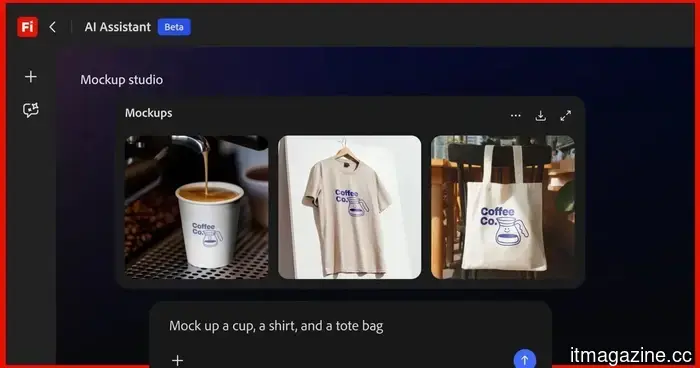 Adobe Firefly AI is now publicly available, aiming to assist you in communicating with an AI to accomplish your tasks.
The public beta of the Firefly AI Assistant is accessible to subscribers of Creative Cloud Pro and those on a paid Firefly plan, offering complimentary daily generative credits to qualifying users throughout the beta phase.
Adobe Firefly AI is now publicly available, aiming to assist you in communicating with an AI to accomplish your tasks.
The public beta of the Firefly AI Assistant is accessible to subscribers of Creative Cloud Pro and those on a paid Firefly plan, offering complimentary daily generative credits to qualifying users throughout the beta phase.
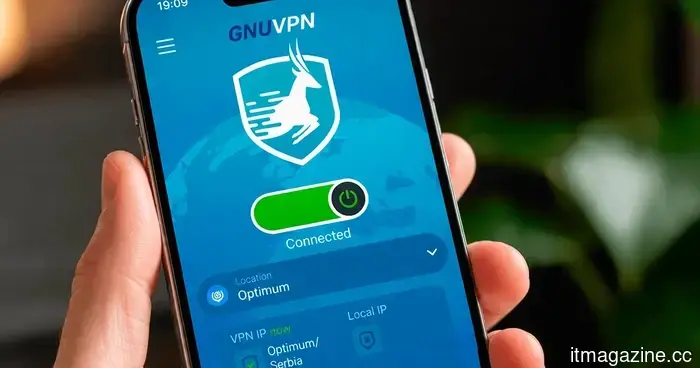 GnuVPN and the Emergence of Alternative VPNs Centered on Privacy and Flexibility
Digital privacy is a subject that is becoming more intricate, yet there are tools available to help protect users both domestically and internationally. One of the most well-known solutions in this area is the virtual private network (VPN), which redirects internet connections through a private server that encrypts data before it reaches the internet service provider (ISP). However, [...]
GnuVPN and the Emergence of Alternative VPNs Centered on Privacy and Flexibility
Digital privacy is a subject that is becoming more intricate, yet there are tools available to help protect users both domestically and internationally. One of the most well-known solutions in this area is the virtual private network (VPN), which redirects internet connections through a private server that encrypts data before it reaches the internet service provider (ISP). However, [...]
Sleep apps can be beneficial for keeping a healthy routine, but they can also add stress for those who suffer from insomnia.
Individuals displaying symptoms of insomnia were notably more inclined to report adverse effects from sleep tracking applications. Continuous exposure to data indicating sleep deficits may heighten pre-existing anxiety regarding sleep, a phenomenon referred to by researchers as orthosomnia.