
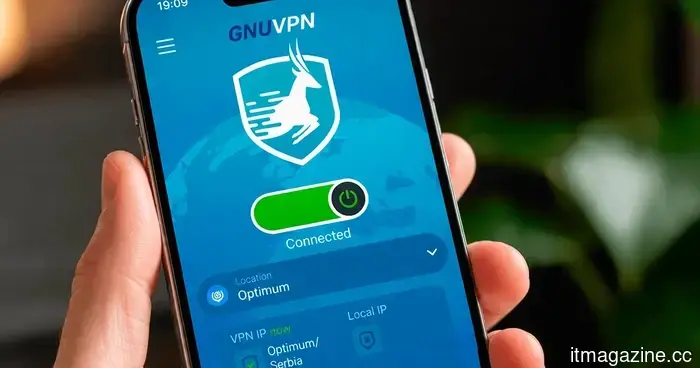
GnuVPN and the Emergence of Alternative VPNs Centered on Privacy and Flexibility
Digital privacy is becoming an increasingly intricate topic, but there are tools available to help protect users both domestically and internationally. One of the most well-known tools in this area is the virtual private network (VPN), which redirects internet connections to a private server that encrypts data before it reaches the internet service provider (ISP). However, not all VPNs will satisfy a user's specific requirements.
Most major VPN providers perform adequately but often feel quite similar to each other. They typically offer similar features and marketing messages, along with "no logs" assurances that come with caveats. In contrast, services like GnuVPN, based in Portugal, assert that they do not collect any data whatsoever, including internet protocol (IP) addresses, timestamps, domain name system (DNS) queries, or metadata.
Contemporary VPNs utilize various protocols, each presenting its own advantages and disadvantages. WireGuard is noted for its speed and streamlined codebase, which enhances performance on mobile devices. OpenVPN is a widely recognized standard appreciated for its flexibility in configuration. SoftEther, which is less common among mainstream providers, can encapsulate VPN traffic within regular HTTPS web traffic, helping it bypass deep packet inspection in countries with stringent internet censorship. A VPN that supports multiple protocols allows users to select between speed, obfuscation, and compatibility based on their circumstances. GnuVPN is among the services that offer support for all three protocols—WireGuard, OpenVPN, and SoftEther—along with IKEv2.
Traveling with Internet Restrictions
For travelers going to destinations known for VPN blocking, it’s important to ensure a stable connection. Some alternative services address this challenge by using less common protocols that major VPNs may overlook. Although this could result in a smaller server network and thus fewer available connections, it might provide enhanced reliability.
For users visiting various international locations, support for the SoftEther protocol can be particularly beneficial. SoftEther disguises VPN traffic as standard HTTPS activity, making it harder for filters to obstruct the connection.
Working from Public WiFi Networks
A VPN is not only useful for international travel; remote workers who frequent public coffee shops and co-working spaces may also need protection that remains consistent even when switching networks. Alternative services often utilize lightweight and rapid protocols to prevent data leaks. Coupled with a kill switch that halts all traffic when the VPN is lost, users can have greater confidence in their security.
Notably, GnuVPN offers these features even within its free tier. While its speed and data usage are limited, basic encryption and browsing capabilities on public WiFi should suffice for many users. However, streaming and large file downloads might necessitate subscribing to the paid plan, which costs approximately nine dollars per month.
The "No Logs" Claim for Enhanced Privacy
While it can be challenging to verify a “no logs” claim, privacy-conscious individuals still seek VPNs that do not share data because they cannot. Privacy statements are merely that, and many alternative services do not undergo independent audits. For those who prioritize “no logs” assertions—journalists, activists, and others—identifying the most credible claims is crucial.
An important consideration for users focused on privacy is the option to pay anonymously. GnuVPN accepts cryptocurrency payments, including Bitcoin, USDT (TRC20), TRON, and Litecoin. This allows users to keep their payment methods—such as credit cards or PayPal accounts—separate from the service, thereby enhancing anonymity between their identity and VPN use.
Drawbacks of Alternative VPNs
In comparison to larger VPN providers, alternative options typically have fewer servers. Additionally, some of these alternatives may not be equipped for more demanding tasks such as streaming and gaming. Furthermore, alternatives like GnuVPN may lack extensive brand histories; often, a brand's past can reflect its actual privacy practices.
On the positive side, the GnuVPN app is accessible on all major platforms—Android, iOS, Windows, macOS, and Linux. The app for Android has achieved Google Verified status, meaning it has passed a security assessment conducted independently for the Google Play Store. This provides external validation of the app’s data handling practices for users who rank mobile privacy as a priority.
These strengths and limitations are typical within this category. Alternative VPNs do not aim to be the largest or the best; rather, they strive to provide a service that genuinely fulfills its promises. For travelers going to restrictive countries, remote workers using public WiFi, or those who prioritize privacy, there may be alternatives that suit their particular needs. Free tiers and trials can serve as effective ways to determine if a service meets your requirements.
Investing carries risks, and the value of investments may decline. Previous performance is not indicative of future results. These statements do not constitute, nor can they replace, investment advice.
Digital Trends collaborates with external contributors. All content contributed is reviewed by the Digital Trends editorial team.
Other articles
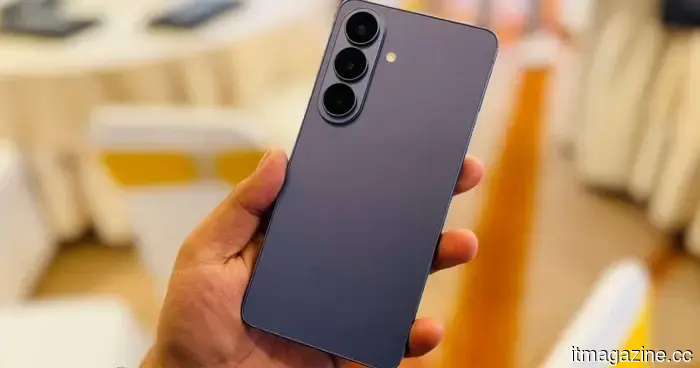 You can confidently disregard those viral videos that depict a phone's LED flash causing plastic to melt.
Viral videos portray Samsung flashlights as if they're small blowtorches, but it's the setup that's responsible for most of the theatrics.
You can confidently disregard those viral videos that depict a phone's LED flash causing plastic to melt.
Viral videos portray Samsung flashlights as if they're small blowtorches, but it's the setup that's responsible for most of the theatrics.
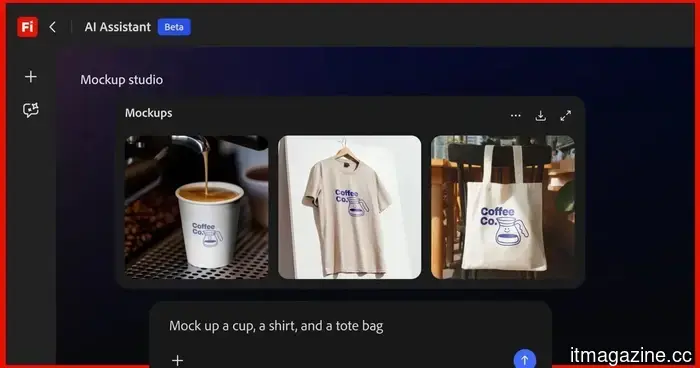 Adobe Firefly AI is now publicly available, aiming to assist you in communicating with an AI to accomplish your tasks.
The public beta of the Firefly AI Assistant is accessible to subscribers of Creative Cloud Pro and those on a paid Firefly plan, offering complimentary daily generative credits to qualifying users throughout the beta phase.
Adobe Firefly AI is now publicly available, aiming to assist you in communicating with an AI to accomplish your tasks.
The public beta of the Firefly AI Assistant is accessible to subscribers of Creative Cloud Pro and those on a paid Firefly plan, offering complimentary daily generative credits to qualifying users throughout the beta phase.
 Meta's newest astonishing project involves transmitting solar power via satellites, even during nighttime.
Meta has committed to obtaining energy from a network of 1,000 satellites in space that will gather sunlight while in geosynchronous orbit and transmit it as infrared light to solar farms on Earth.
Meta's newest astonishing project involves transmitting solar power via satellites, even during nighttime.
Meta has committed to obtaining energy from a network of 1,000 satellites in space that will gather sunlight while in geosynchronous orbit and transmit it as infrared light to solar farms on Earth.
 Yellowstone Season 6 will not be produced — here’s what will take its place.
What's happening with Kevin Costner and the future of Yellowstone? We have all the details you need regarding season 6 of Yellowstone.
Yellowstone Season 6 will not be produced — here’s what will take its place.
What's happening with Kevin Costner and the future of Yellowstone? We have all the details you need regarding season 6 of Yellowstone.
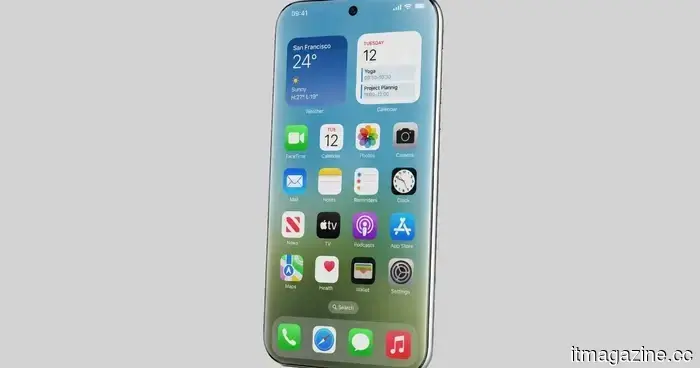 The iPhone's reintroduction of curved displays might be a smart maneuver, rather than just a design choice of sloped glass.
Leaker Ice Universe suggests that the iPhone celebrating Apple's 20th anniversary may incorporate a "Liquid Glass Display," a new type of display technology that minimizes the appearance of bezels through optical illusions rather than relying solely on curves.
The iPhone's reintroduction of curved displays might be a smart maneuver, rather than just a design choice of sloped glass.
Leaker Ice Universe suggests that the iPhone celebrating Apple's 20th anniversary may incorporate a "Liquid Glass Display," a new type of display technology that minimizes the appearance of bezels through optical illusions rather than relying solely on curves.
 Bowers & Wilkins Px8 S2, Px7 S3, and Pi8 receive fresh colors just in time for summer.
Bowers & Wilkins has unveiled new color options for its Px8 S2, Px7 S3, and Pi8 series, expanding the total selection to 21 variants.
Bowers & Wilkins Px8 S2, Px7 S3, and Pi8 receive fresh colors just in time for summer.
Bowers & Wilkins has unveiled new color options for its Px8 S2, Px7 S3, and Pi8 series, expanding the total selection to 21 variants.
GnuVPN and the Emergence of Alternative VPNs Centered on Privacy and Flexibility
Digital privacy is a subject that is becoming more intricate, yet there are tools available to help protect users both domestically and internationally. One of the most well-known solutions in this area is the virtual private network (VPN), which redirects internet connections through a private server that encrypts data before it reaches the internet service provider (ISP). However, [...]