

The upcoming iPad may abandon conventional naming conventions as Apple reassesses its product lineup.
A subtle yet potentially significant change may be on the horizon for the iPad lineup, focusing more on identity than on hardware. In a recent interview with John Ternus and Greg Joswiak from Tom’s Guide, it was suggested that the company might reconsider how it names its future iPads, moving away from the traditional generation-based system.
A Naming Reset Indicating a Broader Strategy Shift
The report originates from insights shared in an interview with Apple’s hardware leadership, where the notion of simplifying product naming emerged. Rather than continuing with terms like "10th generation" or chip-specific identifiers such as "iPad (A16)," Apple could adopt a more cohesive approach—possibly aligning iPads with the naming conventions of Macs, utilizing year-based or simpler branding.
Apple
This shift is significant because Apple’s existing naming convention has become increasingly convoluted. For example, the base iPad is officially referred to as “iPad (11th generation)” while it is more commonly called just “iPad.” In contrast, high-end models like the iPad Pro already utilize chip-specific branding such as “M5,” creating a fragmented identity within the lineup.
Adopting a unified naming scheme would help lessen confusion and clarify the lineup, particularly as Apple expands its tablet offerings.
Why This Shift Matters Beyond Just Nomenclature
While this might appear to be a mere aesthetic alteration, it genuinely reflects how Apple is redefining the iPad.
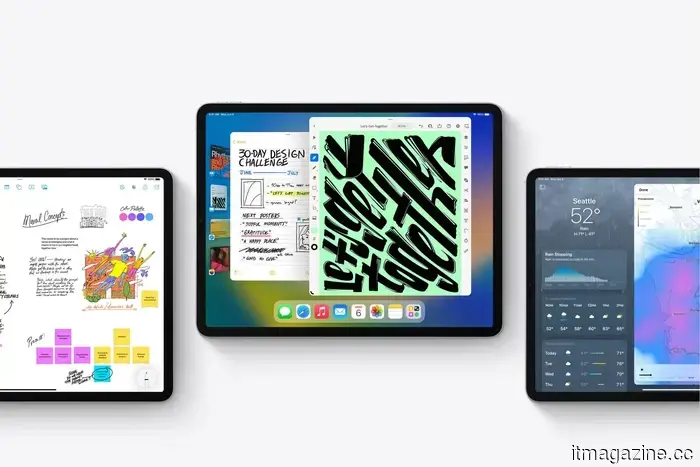
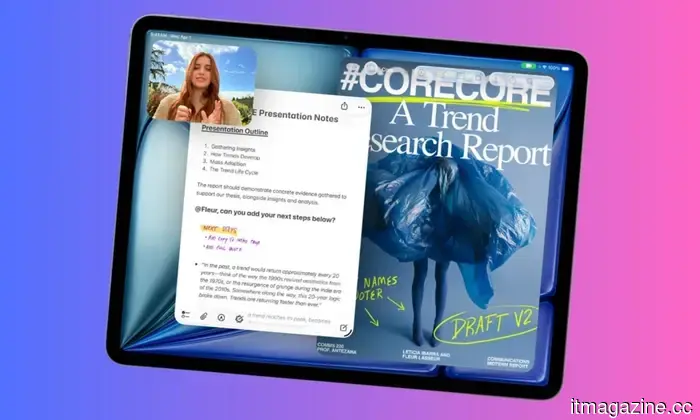
In recent years, the iPad has transitioned from a basic tablet to a more adaptable computing platform. With advancements like iPadOS 26, which introduces desktop-style multitasking and enhanced productivity features, Apple is positioning the device closer to being a laptop replacement.
A simplified naming scheme could reinforce this evolution. By moving away from generational or chip specifications, Apple may aim for the iPad to be perceived as a timeless product category—akin to the way the MacBook Air or MacBook Pro is viewed.
In essence, this is less about branding and more about perception.
Why This Matters for Consumers
For buyers, changes in naming can significantly affect the ease—or difficulty—of selecting a device.
Currently, navigating the iPad lineup requires deciphering a blend of generations, chip names, and tiers. A clearer naming structure could streamline purchasing decisions, particularly for casual users who may not keep up with every product update.
Apple
However, there is a downside. Simplified names can often make it more challenging to differentiate between older and newer models at first glance. If Apple shifts to a year-based system, consumers may need to focus more on specifications instead of relying on clear generational labels.
The Future of the iPad Lineup
While nothing has been officially confirmed, the report is based on early indications rather than a formal announcement. Nevertheless, the timing coincides with broader shifts within Apple’s ecosystem.
The company has already transitioned its software naming to a year-based system—with releases like iOS 26 and iPadOS 26—suggesting a move toward consistency across its platforms.
If Apple proceeds with this change, the next iPad launch could signal the start of this transition. While it may not affect the device's performance, it could redefine how the product is positioned and perceived for years to come.
Other articles
 I never expected AI to introduce typos – but it does seem to make sense.
A novel AI tool intentionally introduces typos into emails, indicating a trend where flawed writing is perceived as more human and dependable in an era dominated by AI-generated communication.
The trial between Musk and Altman starts, with $150 billion on the line due to OpenAI's shift from a nonprofit to a for-profit model.
Jury selection will begin on Monday for the Musk-Altman trial. In his 2017 diary, Brockman referred to OpenAI's nonprofit pledge as "a lie." The judge has determined there is "ample evidence" and will independently decide on the remedies.
Foundation Future Industries secures $24 million in Pentagon contracts for humanoid robotic soldiers, with support from Eric Trump and having undergone testing in Ukraine.
Foundation Future Industries has obtained $24 million in contracts from the Pentagon for humanoid robots that were tested in Ukraine. The company's CEO previously led a fintech that went bankrupt, and Eric Trump serves as an adviser. They are seeking $500 million at a valuation exceeding $3 billion.
I never expected AI to introduce typos – but it does seem to make sense.
A novel AI tool intentionally introduces typos into emails, indicating a trend where flawed writing is perceived as more human and dependable in an era dominated by AI-generated communication.
The trial between Musk and Altman starts, with $150 billion on the line due to OpenAI's shift from a nonprofit to a for-profit model.
Jury selection will begin on Monday for the Musk-Altman trial. In his 2017 diary, Brockman referred to OpenAI's nonprofit pledge as "a lie." The judge has determined there is "ample evidence" and will independently decide on the remedies.
Foundation Future Industries secures $24 million in Pentagon contracts for humanoid robotic soldiers, with support from Eric Trump and having undergone testing in Ukraine.
Foundation Future Industries has obtained $24 million in contracts from the Pentagon for humanoid robots that were tested in Ukraine. The company's CEO previously led a fintech that went bankrupt, and Eric Trump serves as an adviser. They are seeking $500 million at a valuation exceeding $3 billion.
The upcoming iPad may abandon conventional naming conventions as Apple reassesses its product lineup.
Apple might streamline its iPad naming convention by eliminating confusing generation labels. This change is part of a wider plan to enhance clarity in its product lineup and better align it with shifting product positioning.