
I never expected AI to introduce typos – but it does seem to make sense.
A new AI tool is challenging a long-established principle of digital communication: achieving perfect grammar is no longer the objective. The current trend focuses on making emails appear intentionally human, even if that includes adding mistakes.
When AI Makes You Sound Less Flawless
A report from Fast Company reveals a novel "anti-Grammarly" tool developed by Ben Horwitz, which purposefully incorporates errors into emails to make them seem less refined and more relatable. Horwitz is an investment partner at Dorm Room, a venture capital firm, and he has a background from Harvard Business School.
Initially, this concept seems counterintuitive. Tools like Grammarly are designed to eliminate mistakes and enhance clarity. However, in the era of generative AI, impeccable writing has begun to imply that it may have originated from a machine.
This transformation has led to an unusual new dynamic. Rather than aiming for perfection, users are now seeking to mimic imperfection to retain a sense of authenticity. Some tools even enable users to adjust the degree of “human-ness,” ranging from slight errors to more relaxed and informal writing styles.
Essentially, AI is now being employed to conceal the fact that AI was used at all.
Why This Indicates a Broader Change in Communication
This trend signifies a fundamental shift in the perception of digital communication. For many years, correct grammar and organized writing were indicators of professionalism. Now, that same refinement can come across as insincere.
Recent conversations indicate that typos and informal writing styles are increasingly viewed as markers of authenticity, even prestige. In some instances, overly polished emails may be met with skepticism, as they can seem devoid of a personal touch.
This reversal is noteworthy. It implies that AI is not only altering our writing practices but also redefining what constitutes “good writing.”
The irony is apparent. We developed AI tools to enhance communication, yet we are now creating new tools to reverse those enhancements.
Why This Matters for You as a User
For everyday users, this transformation could subtly influence how emails are composed and understood.
If flawless grammar increasingly suggests automation, you might find yourself unintentionally adjusting your tone to come across as more genuine. This could involve using shorter sentences, casual language, or allowing minor mistakes in professional correspondence.
Simultaneously, it raises concerns about trust. If both refined and flawed writing can be produced by AI, distinguishing between human and machine-generated content becomes increasingly challenging.
What Lies Ahead in AI Writing Progression
This “anti-perfection” trend appears to be merely the beginning. As AI writing tools advance, the emphasis will shift from accuracy to believability.
Upcoming tools might not only produce text but also modify tone, style, and even errors based on context and audience. The aim will be to create communication that feels natural rather than flawless.
This evolution could further blur the line between human and machine.
And perhaps that’s the key takeaway. The future of writing isn’t about eradicating mistakes – it’s about choosing which ones to retain.
Other articles
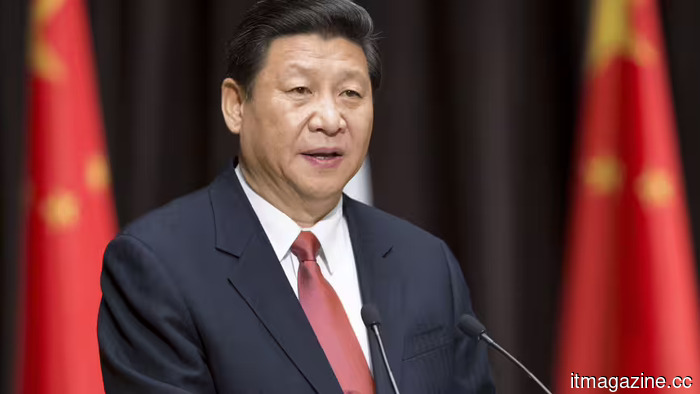 Beijing issues a warning to the EU following the inclusion of 27 Chinese companies in the 20th sanctions package against Russia and responds by taking action against European defense firms.
China criticized the European Union's 20th sanctions package, which affects 27 Chinese entities, and responded within a day by targeting seven EU defense companies. Europe's rearmament relies on the rare earth materials that Beijing possesses.
Beijing issues a warning to the EU following the inclusion of 27 Chinese companies in the 20th sanctions package against Russia and responds by taking action against European defense firms.
China criticized the European Union's 20th sanctions package, which affects 27 Chinese entities, and responded within a day by targeting seven EU defense companies. Europe's rearmament relies on the rare earth materials that Beijing possesses.
 NotebookLM now has the ability to automatically arrange your research sources.
Google has introduced automatic source labeling and categorization for NotebookLM. This feature activates automatically when you have five or more sources in a notebook.
NotebookLM now has the ability to automatically arrange your research sources.
Google has introduced automatic source labeling and categorization for NotebookLM. This feature activates automatically when you have five or more sources in a notebook.
 I never imagined that AI would introduce typos – but it actually makes some sense.
A new AI tool intentionally introduces typos into emails, highlighting a trend where flawed writing is perceived as more genuine and reliable in an era of AI-generated messages.
I never imagined that AI would introduce typos – but it actually makes some sense.
A new AI tool intentionally introduces typos into emails, highlighting a trend where flawed writing is perceived as more genuine and reliable in an era of AI-generated messages.
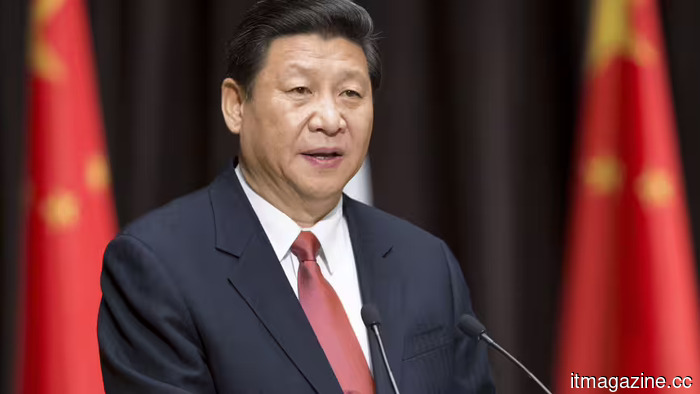 Beijing issues a warning to the EU following the inclusion of 27 Chinese companies in the 20th set of sanctions against Russia, taking action against European defense firms in response.
China criticized the EU's 20th sanctions package, which aimed at 27 Chinese entities, and swiftly responded within 24 hours by targeting seven EU defense companies. The rearmament efforts in Europe rely on the rare earths that Beijing oversees.
Beijing issues a warning to the EU following the inclusion of 27 Chinese companies in the 20th set of sanctions against Russia, taking action against European defense firms in response.
China criticized the EU's 20th sanctions package, which aimed at 27 Chinese entities, and swiftly responded within 24 hours by targeting seven EU defense companies. The rearmament efforts in Europe rely on the rare earths that Beijing oversees.
I never expected AI to introduce typos – but it does seem to make sense.
A novel AI tool intentionally introduces typos into emails, indicating a trend where flawed writing is perceived as more human and dependable in an era dominated by AI-generated communication.