
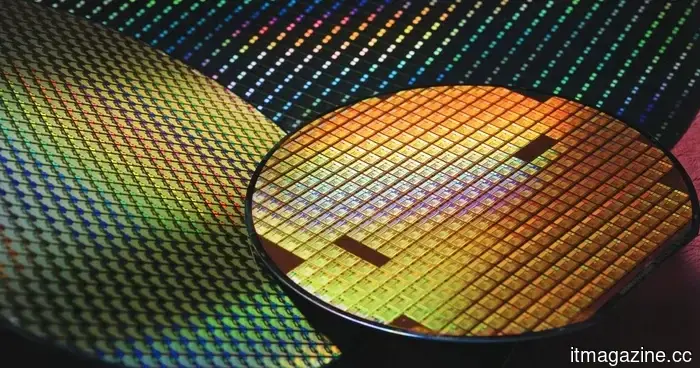
Apple may experience sub-nanometer chip technology by 2029.
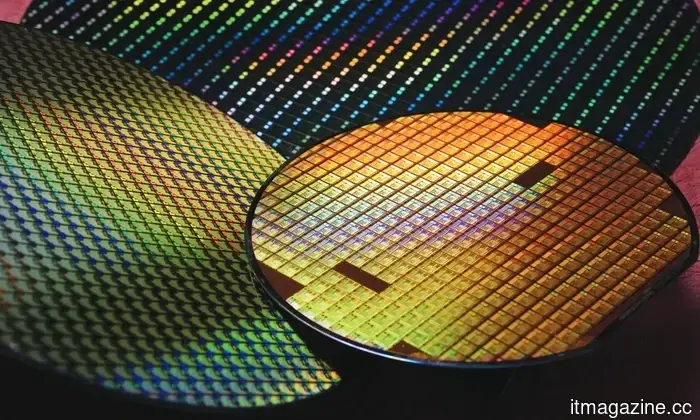
TSMC is reportedly aiming for the sub-1nm era, with a new report indicating a target for trial production by 2029.
Apple often leads the way in silicon miniaturization, and its collaboration with TSMC significantly contributes to this advantage. While we are currently transitioning into the 2nm era, plans for the next steps are already being outlined. According to a recent report, TSMC is setting its sights on achieving sub-1nm technology with a goal for trial production to commence as soon as 2029.
TSMC’s roadmap for sub-1nm semiconductor development
As reported by DigiTimes, the journey to sub-1nm will not happen in a single jump. After successfully initiating 2nm mass production late last year, TSMC is now preparing for its next target. The foundry intends to shift to the 1.4nm node in 2028, promising a 15 percent boost in performance and a 30 percent enhancement in power efficiency.
Following this, the sub-1nm process will be introduced, with TSMC preparing its Tainan A10 facility and P1-P4 plants for the transition. The company aims for an initial output of 5,000 wafers per month during the 2029 trial period. For Apple, this advancement could lead to chips with unparalleled transistor density for iPhones and Macs in the early 2030s.
Importance of this development
The advancement towards sub-1nm is primarily driven by the necessity to support the demands of next-generation computing rather than marketing efforts. As software and on-device AI grow increasingly resource-intensive, these nodes will be crucial for enhancing performance while maintaining battery life.
However, producing sub-1nm chips may present challenges of its own. High yields remain a consistent issue, even with TSMC’s 2nm process, and manufacturing costs are expected to remain elevated. As a result, these advanced systems on a chip will likely be allocated for Ultra-tier flagship devices for the foreseeable future. Additionally, while the chips may become smaller, the prices for high-end devices are likely to rise.
Pranob is an experienced tech journalist with over eight years of experience covering consumer technology. His work has been...
The Galaxy Z TriFold is no longer available for purchase as it has officially sold out.
With a 10-inch display and a lifespan shorter than many gym memberships, the TriFold is already seen as a piece of tech history. Samsung has discreetly updated the product page for the Galaxy Z TriFold to state that the company's first tri-folding phone is now entirely sold out with no plans for restocking. If you were considering buying one in the future, it might be time to abandon that hope. An updated message on the Galaxy Z TriFold landing page states, “The limited-run Galaxy Z TriFold is now completely sold out.” The message also encourages visitors to check Samsung’s website for “one-of-a-kind innovations” and to explore other foldable or mobile devices.
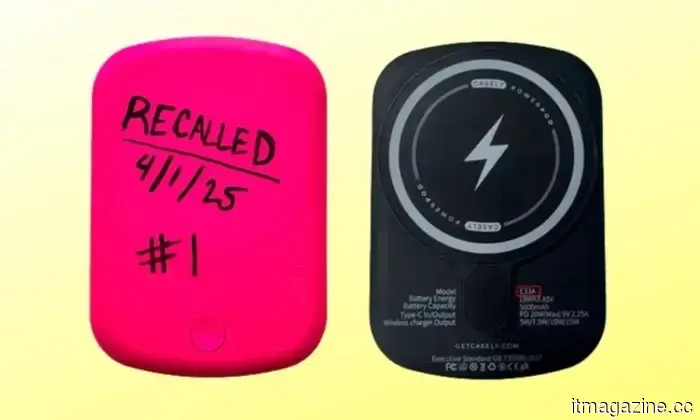
Casely has recalled nearly half a million power banks due to a fire hazard. Here’s how to check if yours is affected.
Casely has reissued a recall for approximately 429,200 units of the Casely Power Pods through the US Consumer Product Safety Commission due to a risk of the lithium-ion battery overheating and igniting, which poses a serious fire and burn hazard.
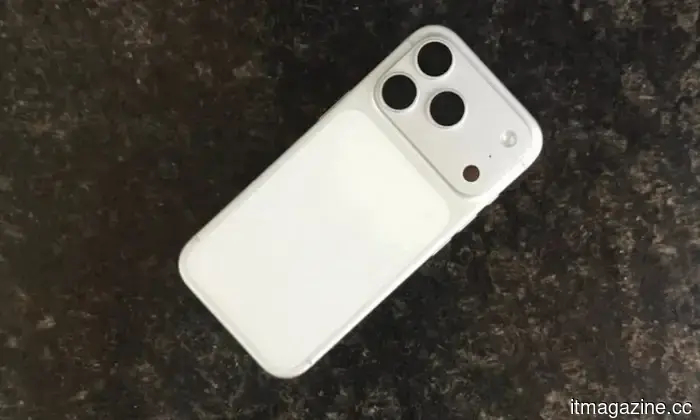
Chinese repair shops have reportedly found ways to fix unsightly dents on iPhones.
In China, dents, scratches, and various forms of damage can be effectively removed from the iPhone 17 Pro and Pro Max, yielding impressively positive results. With the iPhone 17 Pro and Pro Max, Apple reverted to an aluminum frame for its better thermal conductivity and light weight. While this change is practical, it also makes the aluminum more prone to showing damage compared to titanium. If dropped onto a hard surface from a significant height, it will show the impact. However, aluminum is easier to repair; unlike titanium, it can be effectively restored by skilled technicians, and Chinese repair shops are capitalizing on this attribute to perform remarkable repairs.


Other articles
 Zoom introduces World ID verification to ensure that meeting participants are real humans and not deepfakes.
Zoom incorporates World's Deep Face biometric verification to showcase "Verified Human" badges during meetings, as losses from deepfake fraud exceed $200 million in just one quarter.
Zoom introduces World ID verification to ensure that meeting participants are real humans and not deepfakes.
Zoom incorporates World's Deep Face biometric verification to showcase "Verified Human" badges during meetings, as losses from deepfake fraud exceed $200 million in just one quarter.
 Anthropic's Amodei moves to the White House amid Washington's battle over access to Mythos.
Dario Amodei from Anthropic meets with Susie Wiles at the White House to address the Pentagon impasse while US agencies and UK banks pursue access to Mythos, its AI model designed for discovering zero-day vulnerabilities.
Anthropic's Amodei moves to the White House amid Washington's battle over access to Mythos.
Dario Amodei from Anthropic meets with Susie Wiles at the White House to address the Pentagon impasse while US agencies and UK banks pursue access to Mythos, its AI model designed for discovering zero-day vulnerabilities.
 Anthropic's Amodei is heading to the White House as Washington debates access to Mythos.
Dario Amodei from Anthropic meets with Susie Wiles at the White House to address the standoff with the Pentagon, while US agencies and UK banks are looking to gain access to Mythos, its AI model for discovering zero-day vulnerabilities.
Anthropic's Amodei is heading to the White House as Washington debates access to Mythos.
Dario Amodei from Anthropic meets with Susie Wiles at the White House to address the standoff with the Pentagon, while US agencies and UK banks are looking to gain access to Mythos, its AI model for discovering zero-day vulnerabilities.
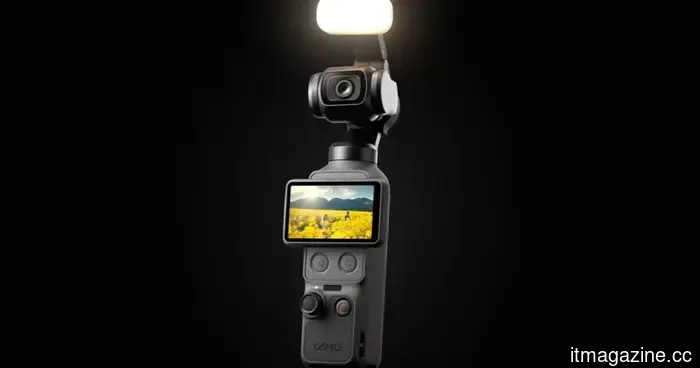 DJI Osmo Pocket 4 targets low-light videography and rapid motion.
The DJI Osmo Pocket 4 features a 1-inch sensor, 4K recording at 240fps, enhanced tracking capabilities, and built-in storage, offering pocket-sized videographers an improved tool for capturing low-light environments, action shots, and quick daily recordings.
DJI Osmo Pocket 4 targets low-light videography and rapid motion.
The DJI Osmo Pocket 4 features a 1-inch sensor, 4K recording at 240fps, enhanced tracking capabilities, and built-in storage, offering pocket-sized videographers an improved tool for capturing low-light environments, action shots, and quick daily recordings.
 Zoom introduces World ID verification to ensure that meeting attendees are humans and not deepfake representations.
Zoom incorporates World's Deep Face biometric verification to show "Verified Human" badges during meetings, as losses due to deepfake fraud exceed $200 million in just one quarter.
Zoom introduces World ID verification to ensure that meeting attendees are humans and not deepfake representations.
Zoom incorporates World's Deep Face biometric verification to show "Verified Human" badges during meetings, as losses due to deepfake fraud exceed $200 million in just one quarter.
 Anthropic's Amodei goes to the White House as Washington debates access to Mythos.
Dario Amodei from Anthropic meets with Susie Wiles at the White House to address the standoff with the Pentagon, as US agencies and UK banks look to gain access to Mythos, its AI model designed for discovering zero-day vulnerabilities.
Anthropic's Amodei goes to the White House as Washington debates access to Mythos.
Dario Amodei from Anthropic meets with Susie Wiles at the White House to address the standoff with the Pentagon, as US agencies and UK banks look to gain access to Mythos, its AI model designed for discovering zero-day vulnerabilities.
Apple may experience sub-nanometer chip technology by 2029.
TSMC is already focusing on developments beyond the 2nm era, with a recent report indicating that trial production below 1nm could begin by 2029.