
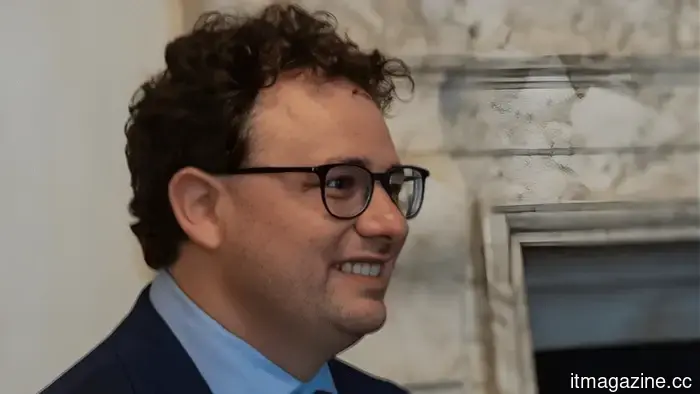
Anthropic's Amodei is heading to the White House as Washington debates access to Mythos.
Summary: Dario Amodei, the CEO of Anthropic, is set to meet with White House Chief of Staff Susie Wiles on Friday to discuss access to Mythos, an advanced AI model capable of identifying and exploiting numerous zero-day vulnerabilities across major operating systems and web browsers. This meeting follows the Pentagon's decision to blacklist Anthropic after Amodei declined to lift safety restrictions on the model, coinciding with requests for access from the US Treasury, the intelligence community, CISA, and UK financial regulators through Anthropic’s controlled Project Glasswing initiative.
The upcoming meeting marks a critical effort in resolving the company's ongoing conflict with the Pentagon, which began in February when Defense Secretary Pete Hegseth demanded unrestricted access to Anthropic’s models for various purposes, including their use in autonomous weaponry and domestic surveillance. Amodei’s refusal led to Anthropic being labeled a national security supply-chain risk, consequently barring it from government contracts.
Despite being blacklisted, the demand for access to Mythos has increased among various US government agencies wishing to enhance their cybersecurity capabilities. Mythos, introduced on April 7, is a general-purpose AI model that, during testing, demonstrated its ability to uncover previously undiscovered zero-day vulnerabilities that had evaded both human and automated security assessments for decades. When tasked with creating working exploits, it succeeded over 83% of the time on the first attempt and was the first model to execute a complete 32-step corporate network attack simulation.
Anthropic has not publicly released Mythos; instead, it has initiated Project Glasswing, a controlled access program providing the model to around 40 vetted organizations, including major tech companies, to help identify and address software vulnerabilities before they can be exploited. The company has also promised up to $100 million in Mythos usage credits and $4 million for open-source security organizations.
The ongoing dispute with the Pentagon has led Anthropic to file lawsuits against the Trump administration for alleged retaliation. Initially, a federal judge blocked the blacklisting, but an appellate court later reinstated it, leaving Anthropic barred from Department of Defense contracts while the legal proceedings are ongoing.
The paradox remains that the same government that has blacklisted Anthropic is now seeking access to its most sophisticated model. The Treasury Department is particularly interested in using Mythos to investigate vulnerabilities within its systems, while various intelligence agencies and CISA are already conducting tests.
JPMorgan Chase CEO Jamie Dimon noted that Mythos significantly broadens the spectrum of vulnerabilities exposed to cyber threats, and the UK’s AI Security Institute assessed it as the most capable cybersecurity model analyzed to date. The decision to restrict access is a reflection of Anthropic's commitment to safety, directly influencing its conflict with the Pentagon.
In terms of Anthropic's commercial prospects, the company has reached an annual revenue of $30 billion and is exploring going public at an $800 billion valuation, suggesting it does not rely on Pentagon contracts for survival. However, Anthropic seeks a resolution that maintains its safety commitments while enabling collaboration with the broader US government.
Concerns regarding Mythos have also been raised in the UK, where the Bank of England's Governor identified it as a cybersecurity risk. Anthropic plans to offer access to select UK banks as part of the Project Glasswing expansion and is increasing its London workforce significantly.
The geopolitical implications of Mythos are significant, highlighting the tension between the US government's desire for access to the model and its punitive actions against the developer. This situation allows the UK, a close ally of the US, to potentially access a crucial national security tool before host government access is secured, which may motivate the White House to resolve the dispute.
Potential resolutions may involve restoring Anthropic’s eligibility for government contracts and permitting Mythos access for defensive cybersecurity efforts, while the Pentagon would retract its supply-chain risk designation. Anthropic would keep its restrictions on military applications but might consider a review process for specific cases. Each party has incentives to compromise, with Anthropic seeking to regain its credibility and the administration needing the technology.
Ultimately, the significance of the meeting between Amodei and Wiles goes beyond the chance for an agreement; it reflects the tension between rapid advancements in AI and the slower pace at which governance institutions adapt. The case of Mythos demonstrates that the same model can be seen as both a safety concern and an invaluable asset, with such discussions expanding into the highest levels of government.
Other articles
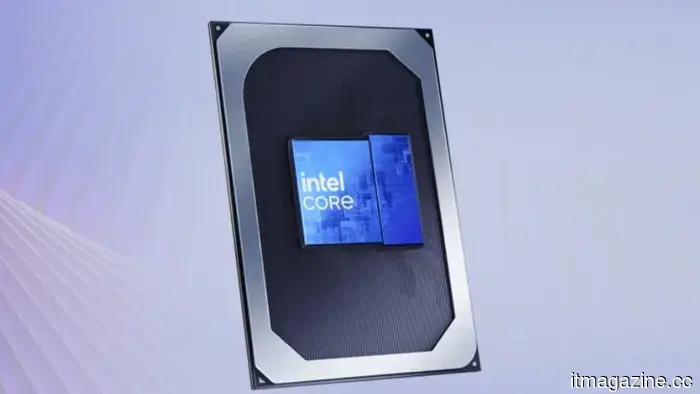 The Intel Core Series 3 Wildcat Lake has been released to compete with Apple's $599 MacBook Neo.
Intel's Wildcat Lake processors deliver 40 TOPS of AI performance for budget laptops built on the 18A node, yet MacBook Neo benchmarks outperform them by 44% in single-core performance, as over 70 OEM designs are introduced.
The Intel Core Series 3 Wildcat Lake has been released to compete with Apple's $599 MacBook Neo.
Intel's Wildcat Lake processors deliver 40 TOPS of AI performance for budget laptops built on the 18A node, yet MacBook Neo benchmarks outperform them by 44% in single-core performance, as over 70 OEM designs are introduced.
 Uber will now dispatch a courier to your location to return your purchases for $5.
Uber's Return a Package service sends a courier to pick up items purchased via Uber Eats and return them to retailers like Target and Best Buy, along with seven other stores, for $5, or $3 for members of Uber One.
Uber will now dispatch a courier to your location to return your purchases for $5.
Uber's Return a Package service sends a courier to pick up items purchased via Uber Eats and return them to retailers like Target and Best Buy, along with seven other stores, for $5, or $3 for members of Uber One.
 Zoom introduces World ID verification to ensure that meeting attendees are genuine humans and not deepfakes.
Zoom incorporates World's Deep Face biometric verification to show "Verified Human" badges during meetings, as losses from deepfake fraud exceed $200 million in just one quarter.
Zoom introduces World ID verification to ensure that meeting attendees are genuine humans and not deepfakes.
Zoom incorporates World's Deep Face biometric verification to show "Verified Human" badges during meetings, as losses from deepfake fraud exceed $200 million in just one quarter.
 Allbirds rebrands itself as NewBird AI, shifting its focus from footwear to GPU cloud computing.
Allbirds sold its footwear brand for $39 million, obtained $50 million in funding, and is rebranding as NewBird AI to lease GPUs; the stock initially soared 600% before decreasing by 35%.
Allbirds rebrands itself as NewBird AI, shifting its focus from footwear to GPU cloud computing.
Allbirds sold its footwear brand for $39 million, obtained $50 million in funding, and is rebranding as NewBird AI to lease GPUs; the stock initially soared 600% before decreasing by 35%.
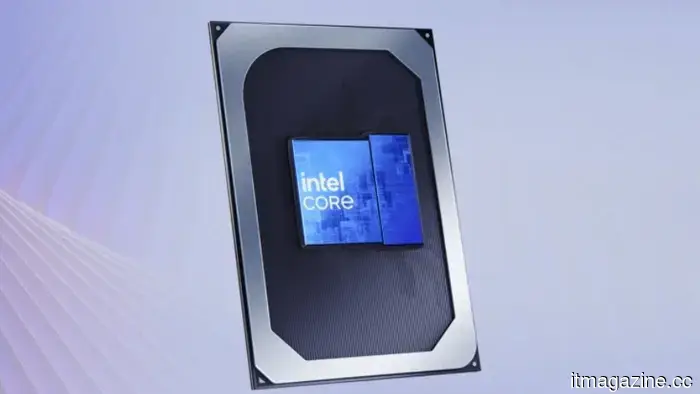 Intel's Core Series 3 Wildcat Lake is being introduced to compete with Apple's MacBook Neo priced at $599.
Intel's Wildcat Lake processors offer 40 TOPS of AI performance for budget laptops built on the 18A node, yet MacBook Neo benchmarks surpass them by 44% in single-core performance, with over 70 OEM designs coming to market.
Intel's Core Series 3 Wildcat Lake is being introduced to compete with Apple's MacBook Neo priced at $599.
Intel's Wildcat Lake processors offer 40 TOPS of AI performance for budget laptops built on the 18A node, yet MacBook Neo benchmarks surpass them by 44% in single-core performance, with over 70 OEM designs coming to market.
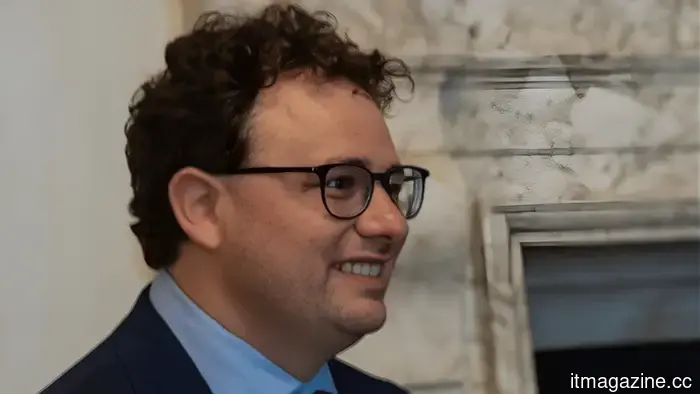 Anthropic's Amodei moves to the White House amid Washington's battle over access to Mythos.
Dario Amodei from Anthropic meets with Susie Wiles at the White House to address the Pentagon impasse while US agencies and UK banks pursue access to Mythos, its AI model designed for discovering zero-day vulnerabilities.
Anthropic's Amodei moves to the White House amid Washington's battle over access to Mythos.
Dario Amodei from Anthropic meets with Susie Wiles at the White House to address the Pentagon impasse while US agencies and UK banks pursue access to Mythos, its AI model designed for discovering zero-day vulnerabilities.
Anthropic's Amodei is heading to the White House as Washington debates access to Mythos.
Dario Amodei from Anthropic meets with Susie Wiles at the White House to address the standoff with the Pentagon, while US agencies and UK banks are looking to gain access to Mythos, its AI model for discovering zero-day vulnerabilities.