
Mercedes introduces steer-by-wire in production vehicles, marking a significant change.
No mechanical connection, just purely electronic steering.
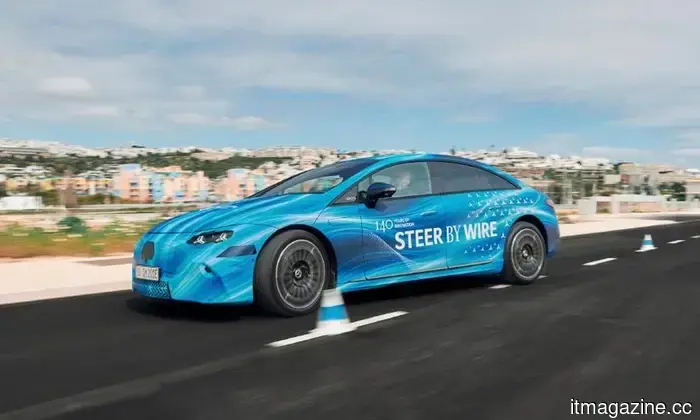
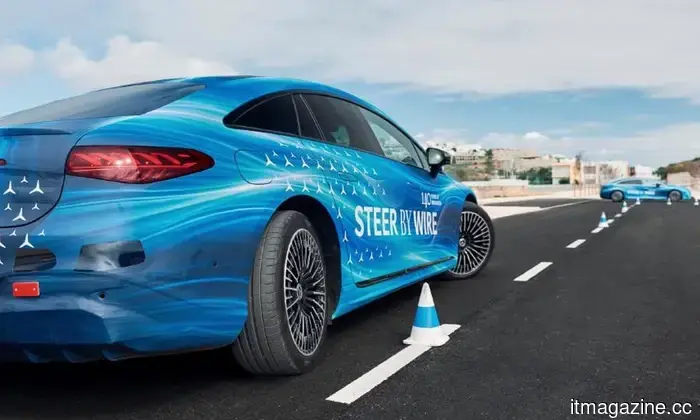
Mercedes-Benz is set to fundamentally change the driving experience of cars, and it’s not merely another software update. The company is introducing steer-by-wire technology to a production model for the first time, starting with the updated EQS, marking a significant shift from traditional steering mechanisms that have been in use for more than a century.
And indeed, this technology has been utilized in aircraft for years and was even displayed in the Mercedes-Benz Vision Iconic. Now, it is finally being integrated into a luxury sedan.
So, what does “steer-by-wire” mean in this context?
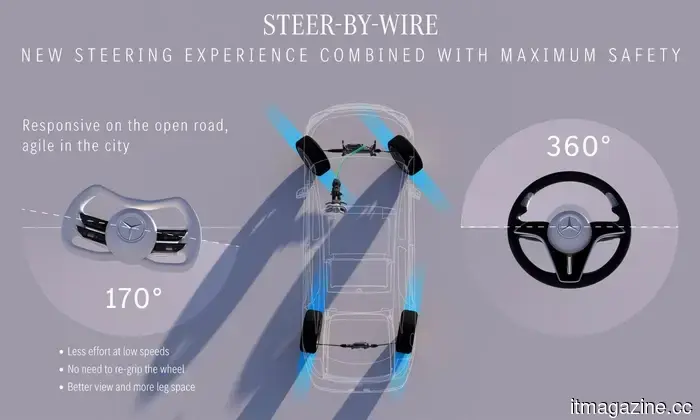
In basic terms, Mercedes is eliminating the physical link between the steering wheel and the front wheels. Instead of a mechanical connection, your steering inputs are transmitted electronically to actuators that steer the wheels.
This might seem a bit unsettling initially, but Mercedes assures that it has incorporated multiple redundancies, sensors, and control systems to guarantee safety. In fact, the company has tested this system for over a million kilometers before its production release. There are also considerable benefits to this approach. As everything is controlled by software, the steering ratio can adjust dynamically based on speed, facilitating easier parking while maintaining stability at highway speeds.
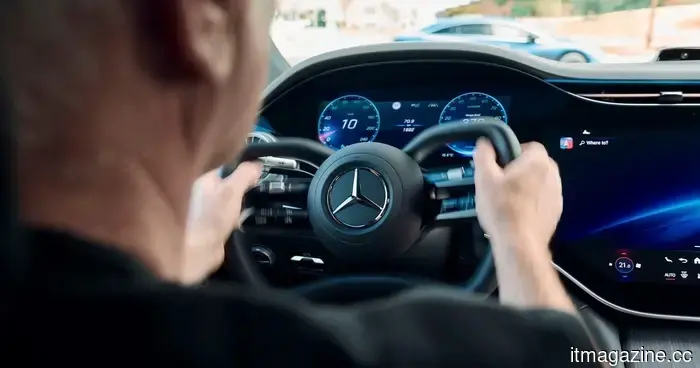
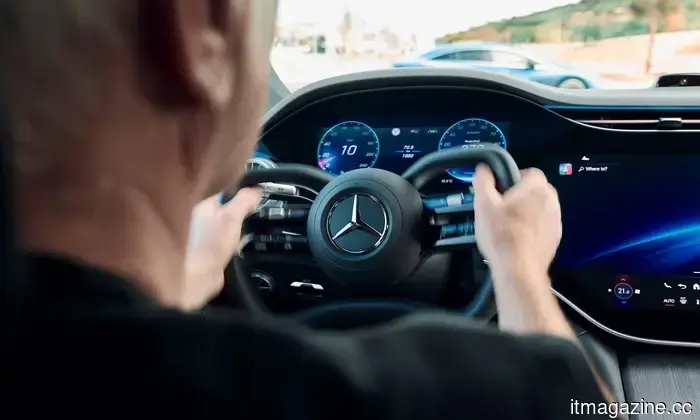
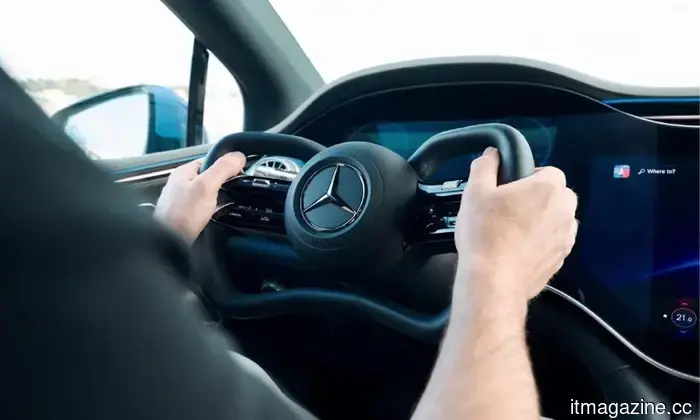
Furthermore, there’s a design innovation. With no necessity for a traditional steering column, Mercedes is pairing this system with a yoke-style steering wheel. This design is flatter, more futuristic, and enhances visibility of the instrument cluster.
Why this could represent a significant shift for automobiles
By adopting steer-by-wire, automotive manufacturers gain much greater flexibility in steering behavior, interior design, and the incorporation of future autonomous features. It also paves the way for a more “software-defined” driving experience. Elements such as steering feel, responsiveness, and feedback can be digitally adjusted, rather than being constrained by physical components.
Admittedly, there is a trust barrier to navigate. Dismissing a direct mechanical link between driver and wheels is a daring step, and not everyone may feel comfortable with it immediately. However, if Mercedes achieves the right balance, this could transform into one of those innovations that initially feels odd but becomes completely standard in a few years.
Varun is an experienced technology journalist and editor with over eight years in consumer tech media. His work encompasses…
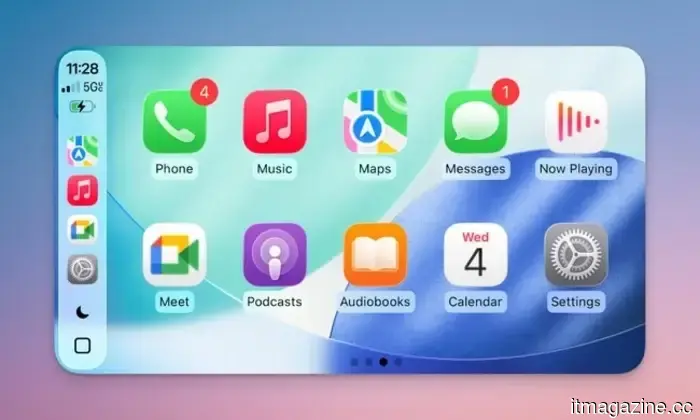
Google Meet is now available on Apple CarPlay, while Android Auto drivers are left behind.
Apple CarPlay receives an upgrade for meeting convenience, whereas Android Auto remains stagnant. Google Meet is now accessible on Apple CarPlay, making it easier to join meetings while commuting, as users can participate directly from their car’s dashboard without having to pick up their phone.
How does it work?
Read more
Kia finally introduces the entry-level EV3 SUV to the US market.
Compact, capable, and surprisingly well-equipped.
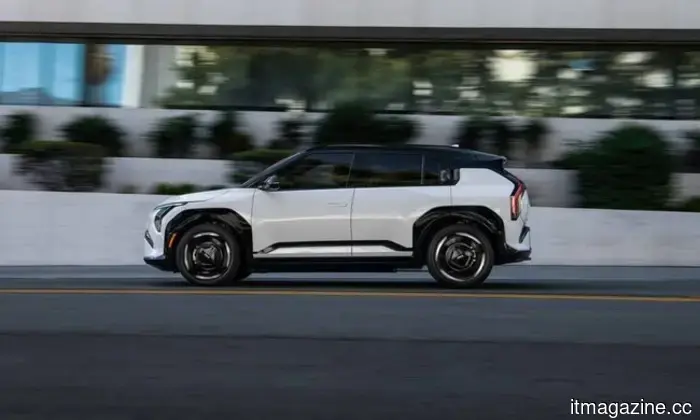
Kia is officially introducing one of its most significant electric vehicles to the US market, opting for a small, practical approach rather than a big, flashy, or pricey one. The Kia EV3, a compact electric SUV, has debuted in North America at the New York International Auto Show and is anticipated to go on sale in late 2026 as a 2027 model. This vehicle aims to be the most accessible EV in Kia’s lineup, positioned below the EV6 and EV9, emphasizing practicality, usability, and affordability over sheer performance.
Read more
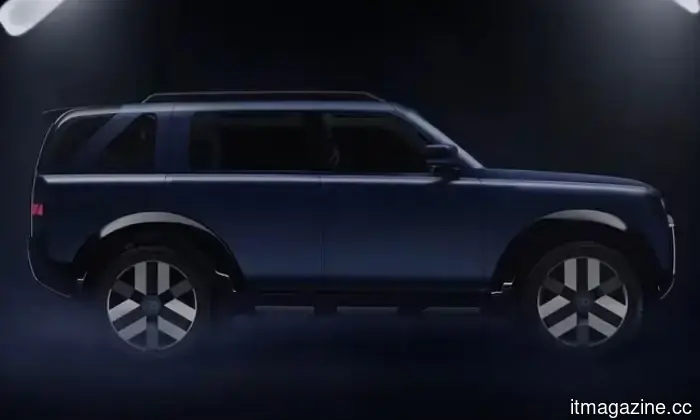
Land Rover revives the Freelander as an EV brand with six models planned.
The returned nameplate emerges as an independent electric lineup, with rapid launches starting this year.
Land Rover is resurrecting the Freelander name, but it will no longer be a single SUV. The new Freelander EV lineup will function as its own brand, with six models set to launch in the next five years, the first of which is expected in China later this year. This initiative arises from its partnership with Chery and represents a stronger move into the premium electric market. Instead of relying on legacy models, it’s developing a complete range tailored for quick deployment and contemporary expectations.
Read more

Other articles
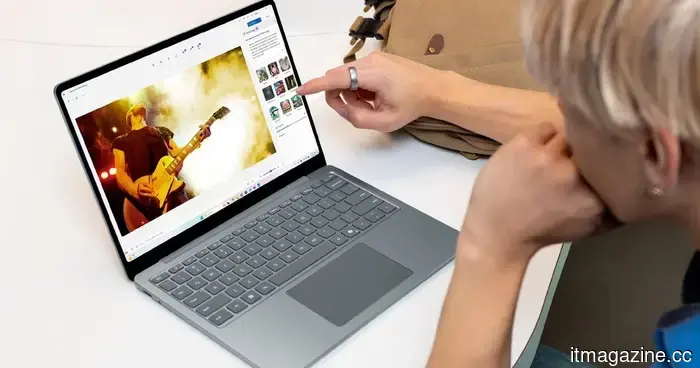 Windows 11 is set to provide haptic feedback for numerous tasks.
Windows 11 is introducing haptic feedback for tasks such as snapping and resizing windows, providing tactile responses for compatible trackpads and input devices.
Windows 11 is set to provide haptic feedback for numerous tasks.
Windows 11 is introducing haptic feedback for tasks such as snapping and resizing windows, providing tactile responses for compatible trackpads and input devices.
 Claude AI is now capable of accessing emails, files, and can even perform tasks on your computer.
Two announcements, one clear goal: Anthropic aims for Claude to be integrated into your workflow. Microsoft 365 connectors are now available on all plans, and Windows users will finally experience computer use this week.
Claude AI is now capable of accessing emails, files, and can even perform tasks on your computer.
Two announcements, one clear goal: Anthropic aims for Claude to be integrated into your workflow. Microsoft 365 connectors are now available on all plans, and Windows users will finally experience computer use this week.
 Is Dunesday no longer happening? Could a changed release date really help save Avengers: Doomsday or Dune: Part Three?
Avengers: Doomsday might receive a new release date, but would that be enough to rescue the film and Dune: Part Three from facing competition this December?
Is Dunesday no longer happening? Could a changed release date really help save Avengers: Doomsday or Dune: Part Three?
Avengers: Doomsday might receive a new release date, but would that be enough to rescue the film and Dune: Part Three from facing competition this December?
 Meta halts its AI data operations following a breach that jeopardized its training secrets.
Meta has put its collaboration with the $10B AI data startup Mercor on hold indefinitely following a LiteLLM supply chain attack that revealed the training methods employed by Meta, OpenAI, and Anthropic.
Meta halts its AI data operations following a breach that jeopardized its training secrets.
Meta has put its collaboration with the $10B AI data startup Mercor on hold indefinitely following a LiteLLM supply chain attack that revealed the training methods employed by Meta, OpenAI, and Anthropic.
.jpg) Claude has just closed the door on OpenClaw, unless you are willing to pay extra.
Anthropic has introduced additional fees for using Claude with OpenClaw, shifting third-party access to a pay-as-you-go model, which has led to dissatisfaction among power users.
Claude has just closed the door on OpenClaw, unless you are willing to pay extra.
Anthropic has introduced additional fees for using Claude with OpenClaw, shifting third-party access to a pay-as-you-go model, which has led to dissatisfaction among power users.
 The PS6 may arrive sooner than you expect, and it won't be arriving by itself.
Recent leaks indicate that development for the PS6 is in progress, along with a possible PlayStation handheld, and that there may be budget-friendly pricing options for gamers.
The PS6 may arrive sooner than you expect, and it won't be arriving by itself.
Recent leaks indicate that development for the PS6 is in progress, along with a possible PlayStation handheld, and that there may be budget-friendly pricing options for gamers.
Mercedes introduces steer-by-wire in production vehicles, marking a significant change.
Mercedes launches steer-by-wire in the 2026 EQS, substituting mechanical steering with electronic controls and allowing for a refreshed driving and interior experience.