

AI aims to transform a basic phone video into cycling performance metrics that serious cyclists invest thousands of dollars in.
Cycling can be a costly hobby, especially for those who become more dedicated. As cyclists invest in measuring their performance, expenses can accumulate significantly with items like instrumented pedals, bike computers, heart-rate sensors, and other equipment that enhances the riding experience.
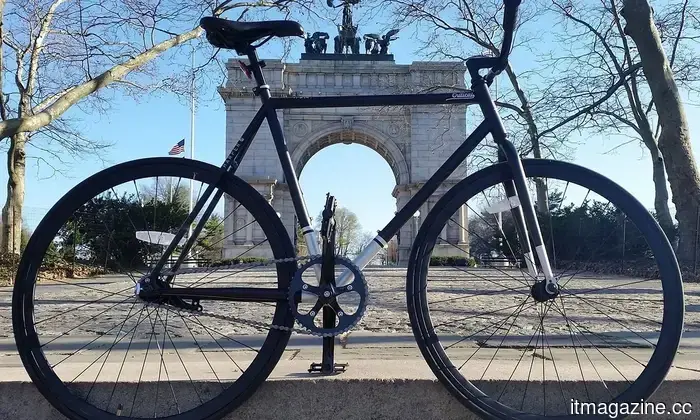
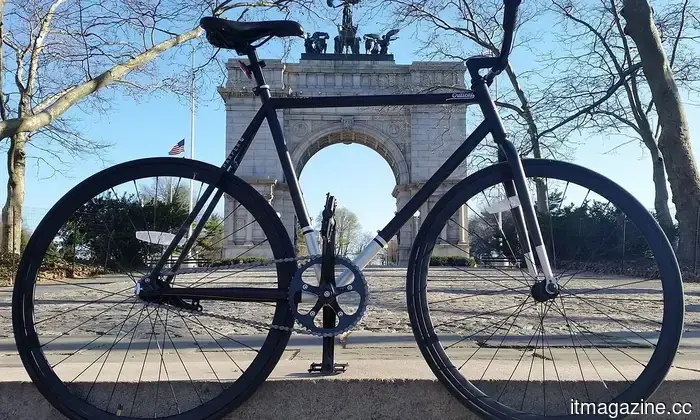
Researchers at La Trobe University (via TechXplore) are investigating whether a common device that most people possess could provide a surprisingly advanced solution for tracking cycling metrics. This isn't a specialized tool; it's a small device that fits in your pocket—your smartphone. At the Holsworth Biomedical Research Centre, researchers are creating AI models that can estimate the forces exerted on the pedals by using motion captured on video. Cyclists can simply film themselves using their phones and obtain biomechanical data that would typically require specialized instruments.
AI monitors each pedal stroke
Aliya Barnwell / Digital Trends
The system employs deep learning to link observed movements of the cyclist to the actual forces recorded at the pedals. For this study, the model was trained using synchronized lab recordings, which consist of video footage of the cyclist in motion and another set capturing the actual forces applied with each pedal stroke. The AI learns to predict these forces based solely on the movement.
Initial results are already showing potential. An earlier study by La Trobe researcher Rodrigo Bini utilized recurrent neural networks to forecast three-dimensional pedal forces as well as forces and power at lower-limb joints. This research indicated correlations between the measured and predicted data ranging from 0.79 to 0.96, although the accuracy varied depending on the specific force or joint measurement. Thus, this new project might simplify scaling such analysis beyond the laboratory.
Your phone won’t replace a power meter immediately
Digital Trends
This research is still in its infancy, and La Trobe is not launching an app anytime soon. Bini predicts that within the next five to ten years, smartphone applications could enable nearly anyone to record their movements and estimate cycling forces. The research team is currently enhancing and validating its dataset, with initial findings expected at the International Society of Biomechanics Conference next year.
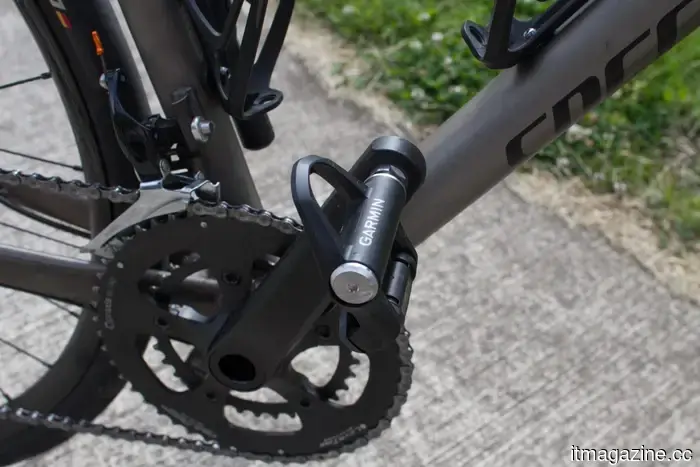
Previously, we have tested smart pedals, such as the Garmin Vector 3, which provide data on when and where force is applied during a pedal stroke. However, obtaining such detailed data has normally required specialized sensors and significant expenses. Utilizing a phone camera to approximate this technology could make valuable cycling biomechanics accessible to many more cyclists. With AI also being used in fitness coaching, we are likely to see technology increasingly fine-tuning various physical aspects of our lives.


Other articles
 DuRoBo Krono review: An innovative approach to the phone-like e-reader that perhaps sets its sights a bit too high.
For anyone pursuing the ideal versatile book reader that feels as easy to use as a phone while also offering additional practical features, the DuRoBo Krono is a nearly perfect choice.
DuRoBo Krono review: An innovative approach to the phone-like e-reader that perhaps sets its sights a bit too high.
For anyone pursuing the ideal versatile book reader that feels as easy to use as a phone while also offering additional practical features, the DuRoBo Krono is a nearly perfect choice.
 The fund 1789 Capital, led by Trump Jr., has spearheaded a $1 billion funding round that values Polymarket at $21 billion.
1789 Capital is investing $300 million in a $1 billion round that values Polymarket at $21 billion. Trump Jr. is affiliated with the firm as a partner and serves as a strategic advisor for competing platform Kalshi.
The fund 1789 Capital, led by Trump Jr., has spearheaded a $1 billion funding round that values Polymarket at $21 billion.
1789 Capital is investing $300 million in a $1 billion round that values Polymarket at $21 billion. Trump Jr. is affiliated with the firm as a partner and serves as a strategic advisor for competing platform Kalshi.
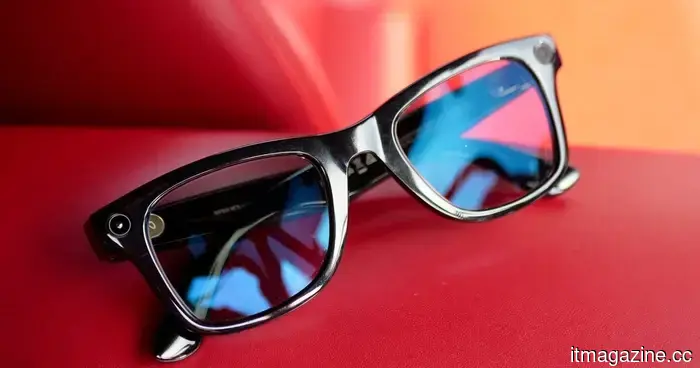 Meta has introduced one of the most beneficial features of the Ray-Ban Display to its regular smart glasses.
Meta's newest firmware update for the standard Ray-Ban Meta glasses introduces voice-activated turn-by-turn navigation, spatial audio processing, and additional features.
Meta has introduced one of the most beneficial features of the Ray-Ban Display to its regular smart glasses.
Meta's newest firmware update for the standard Ray-Ban Meta glasses introduces voice-activated turn-by-turn navigation, spatial audio processing, and additional features.
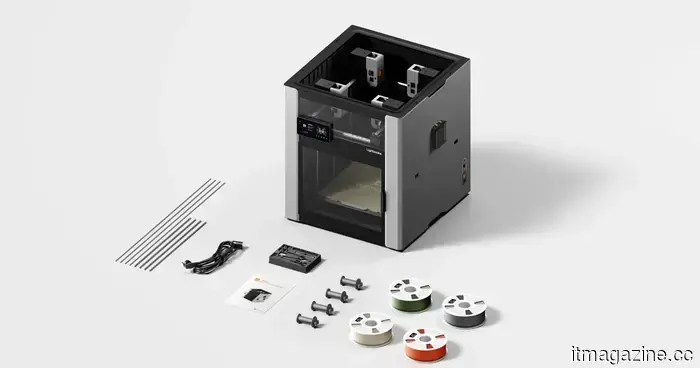 How LightMake is innovating desktop 3D printing with four separate printheads.
For many small businesses, design studios, makers, and print farms, 3D printing has evolved beyond just creating a single prototype. The challenge arises when demand rises. A print farm might need to produce identical components in a batch. A design studio might go through multiple iterations for different clients. A small manufacturer […]
How LightMake is innovating desktop 3D printing with four separate printheads.
For many small businesses, design studios, makers, and print farms, 3D printing has evolved beyond just creating a single prototype. The challenge arises when demand rises. A print farm might need to produce identical components in a batch. A design studio might go through multiple iterations for different clients. A small manufacturer […]
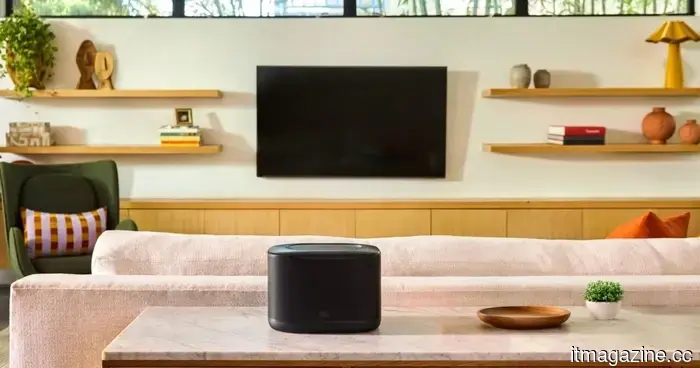 JBL challenges Sonos with an updated range of Wi-Fi speakers for your home.
JBL is broadening its range beyond Bluetooth speakers with the introduction of its new Cove series, which consists of three Wi-Fi connected speakers aimed at delivering multi-room audio throughout your home.
JBL challenges Sonos with an updated range of Wi-Fi speakers for your home.
JBL is broadening its range beyond Bluetooth speakers with the introduction of its new Cove series, which consists of three Wi-Fi connected speakers aimed at delivering multi-room audio throughout your home.
 Google TV Streamer experiences a $50 increase in price following Apple and Amazon's adjustments to their streaming device prices.
Google increased the price of the Google TV Streamer by 50% to $149, mirroring recent price increases for hardware from Apple and Amazon this year.
Google TV Streamer experiences a $50 increase in price following Apple and Amazon's adjustments to their streaming device prices.
Google increased the price of the Google TV Streamer by 50% to $149, mirroring recent price increases for hardware from Apple and Amazon this year.
AI aims to transform a basic phone video into cycling performance metrics that serious cyclists invest thousands of dollars in.
Scientists are creating AI that can gauge cycling pedal forces from video, which could transform regular smartphone recordings into valuable information regarding performance and injury risk.