

The robot pizza chefs are not performing well.
The future of fast food was envisioned to be something like this: you enter a restaurant, place your order, and observe as a robot meticulously constructs your pizza. However, many companies that vowed to automate the pizza-making process have faced challenges in achieving a viable business model.
A recent example is Picnic, which implemented its robotic pizza-making system at a Moto Pizza outlet in Seattle. Unfortunately, in May, its supplier unexpectedly shut down, leaving the restaurant with costly equipment and no technical assistance. Lee Kindell, who invested around $160,000 in the equipment, began to doubt whether robotic pizza-making was a sound investment.
These issues highlight a larger concern: while making pizza may appear straightforward for a robot, the chaotic reality of food preparation is proving to be much more difficult to automate.
Pizza appears simple until a robot is tasked with making it.
Companies like Zume and Pazzi have tried to automate pizza production, and Basil Street has created pizza vending machines. However, the BBC reports that the anticipated success stories have not emerged at the scale once expected. Sara Senatore, a restaurant analyst at Bank of America, noted that food-preparation robots can be cumbersome, often misplacing ingredients, while humans continue to excel at making pizzas.
Nevertheless, there are still compelling reasons for restaurants to pursue automation. It can accelerate production and enhance consistency, potentially enabling businesses to serve a larger customer base with fewer staff.
Kindell experienced this firsthand while using Picnic’s machines at T-Mobile Park, home of the Seattle Mariners. A setup that would typically require about 10 workers could function with just two. However, this does not mean the other eight workers were eliminated; instead, they could transition to customer-facing and marketing roles.
This distinction may become increasingly important as restaurants explore automation while aiming to maintain the human interaction that customers seek.
The robots aren’t gone – they’re simply not prepared yet.
There are indications that the technology is advancing rather than fading away. Appetronix, which installed a 24/7 robotic pizza unit for Donatos at John Glenn Columbus International Airport in Ohio, is developing faster machines capable of making a pizza approximately every minute. The company is looking into ways to dispense sauce more quickly and is even exploring lasers and ultrasound for cutting.
Meanwhile, Miso Robotics has acquired over 300 patents previously owned by Zume, indicating that some technologies from failed pizza-automation ventures may be revived. Industry statistics suggest that the robot pizza revolution remains more of an experiment than a mainstream reality. The National Restaurant Association found that only 9% of US restaurant operators intended to invest in restaurant robots by 2025. Additionally, research into practical implementations underscores significant initial costs, integration issues, and maintenance downtimes as ongoing barriers. In essence, while restaurants may be intrigued by the concept of robots, integrating one into the kitchen is a different challenge altogether.
The greater challenge might be determining where robots truly fit. Some restaurants view food as part of a social experience and believe that removing staff could detract from that appeal. Others prioritize consistency, speed, and 24/7 production.
Kindell remains optimistic that fully autonomous pizza-making will ultimately succeed. "I have no doubt that a fully autonomous pizza robot will exist," he told the BBC. He adds that the real question is who will be the first to achieve that success.

Other articles
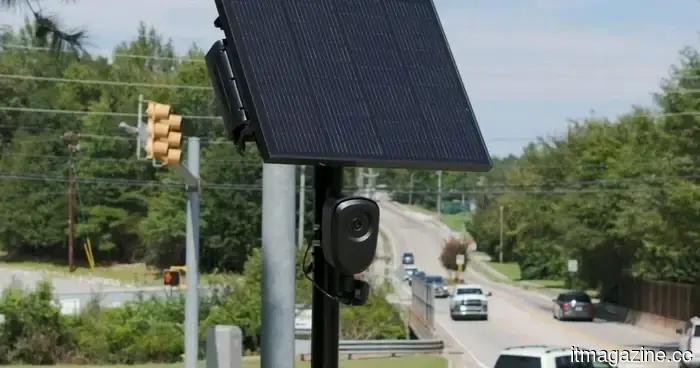 Just $1 was enough for Texas to fill the state with Flock surveillance cameras funded by drivers.
Approximately 3,200 Flock cameras in Texas were financed by funds obtained from a $1 auto insurance fee that was initially approved to address vehicle crime.
Just $1 was enough for Texas to fill the state with Flock surveillance cameras funded by drivers.
Approximately 3,200 Flock cameras in Texas were financed by funds obtained from a $1 auto insurance fee that was initially approved to address vehicle crime.
 OpenAI has begun allowing certain customers to pay only when the AI performs successfully.
According to a report by The Information, select large accounts can now pay for completed tasks instead of using tokens, following in the footsteps of Intercom, Zendesk, and Salesforce in adopting outcome-based pricing.
OpenAI has begun allowing certain customers to pay only when the AI performs successfully.
According to a report by The Information, select large accounts can now pay for completed tasks instead of using tokens, following in the footsteps of Intercom, Zendesk, and Salesforce in adopting outcome-based pricing.
 Feeling the impact of OpenAI removing GPT models from Cursor? Anthropic provides a timely alternative with increased limits for Claude.
Anthropic is offering increased computing power for Claude within Cursor as OpenAI plans to end its model-access agreement with the coding platform.
Feeling the impact of OpenAI removing GPT models from Cursor? Anthropic provides a timely alternative with increased limits for Claude.
Anthropic is offering increased computing power for Claude within Cursor as OpenAI plans to end its model-access agreement with the coding platform.
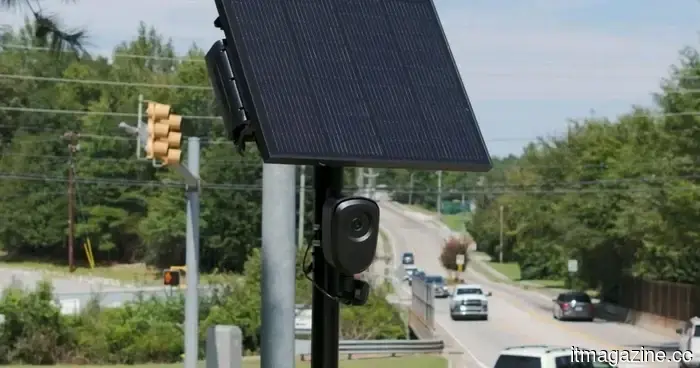 Just $1 was enough for Texas to fill the state with Flock surveillance cameras funded by motorists.
Approximately 3,200 Flock cameras in Texas were financed by funds generated from a $1 auto insurance fee that was initially authorized to address vehicle crime.
Just $1 was enough for Texas to fill the state with Flock surveillance cameras funded by motorists.
Approximately 3,200 Flock cameras in Texas were financed by funds generated from a $1 auto insurance fee that was initially authorized to address vehicle crime.
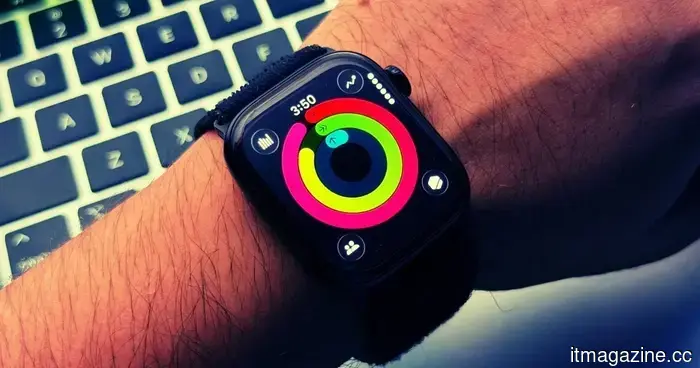 Apple is experimenting with continuous heart rate monitoring for upcoming Apple Watch models.
Apple is experimenting with continuous heart rate monitoring for the Apple Watch, potentially providing more comprehensive fitness and wellness data throughout the day.
Apple is experimenting with continuous heart rate monitoring for upcoming Apple Watch models.
Apple is experimenting with continuous heart rate monitoring for the Apple Watch, potentially providing more comprehensive fitness and wellness data throughout the day.
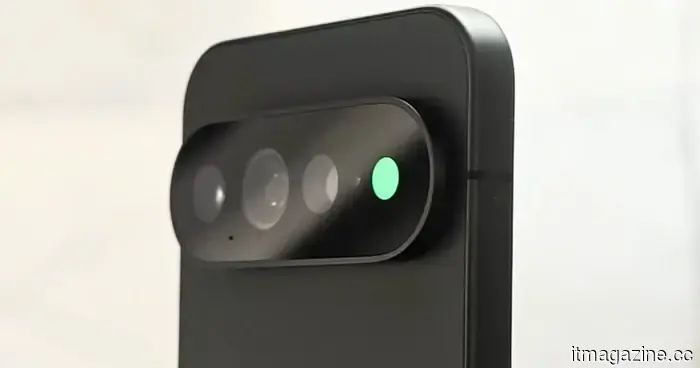 The HiLight Studio app uncovers what Google conceals regarding the RGB light of the Pixel 11 Pro, but it's not suitable for everyone.
The third-party HiLight Studio app generally functions well, but the Shizuku setup and its inconsistent reliability highlight the actual issue.
The HiLight Studio app uncovers what Google conceals regarding the RGB light of the Pixel 11 Pro, but it's not suitable for everyone.
The third-party HiLight Studio app generally functions well, but the Shizuku setup and its inconsistent reliability highlight the actual issue.
The robot pizza chefs are not performing well.
The anticipated future of fast food was meant to resemble this scenario: enter a restaurant, make an order, and observe a robot expertly creating your pizza with mechanical accuracy. However, several companies that vowed to automate pizza preparation have found it challenging to transform that idea into a viable business. The most recent instance is Picnic, whose […]