

The trend of banning Meta smart glasses is gaining momentum in the US, with a nightclub in New York taking the initiative.
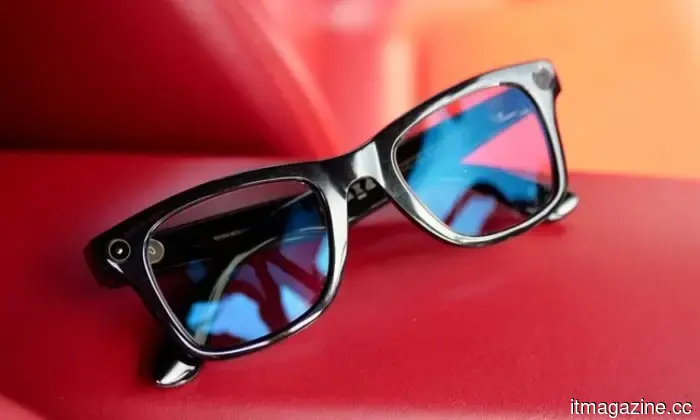
Smart glasses are no longer permitted at Basement, even if they remain in your bag.
Meta’s smart glasses have already encountered restrictions in pubs, restaurants, theaters, and courtrooms throughout the UK. Now, a well-known nightclub in New York City is introducing similar privacy measures in the US.
Basement has declared that smart glasses are prohibited inside the venue due to its existing no-photo and no-video policy (as reported by Futurism). Anyone attempting to bring them in, whether wearing the glasses or just carrying them in a bag, will be asked to leave and may even face permanent exclusion.
People generally dislike being recorded by strangers, and being filmed without their awareness is even more concerning. Smart glasses enable this without the obvious presence of someone holding up a phone, which is precisely why many venues are adjusting their policies regarding them.
The UK has already hinted at where this trend may lead.
We've already witnessed similar restrictions emerging across the UK. Restaurants owned by Jeremy King have requested patrons not to wear recording glasses at establishments like Simpsons in the Strand, Arlington, and The Park. Soho House, the private members' club, states that its filming restrictions extend to smart glasses, while the pub chain Wetherspoons prohibits the use of such glasses to record other guests or staff members without permission.
In England and Wales, courts have gone a step further by confiscating camera-equipped smart glasses at the entrance and returning them upon departure. Some cinemas in the UK are also contemplating restrictions due to concerns that smart glasses could be used to record films without drawing attention like a phone would. Although Meta has implemented a visible recording light and safeguards designed to disable the camera if that indicator is obstructed or manipulated, these measures are not satisfactory for everyone.
Some individuals prefer to keep smart glasses away altogether.
The unease surrounding this technology extends beyond businesses. An iPhone app named AntiZuck Smart Glasses Scanner recently gained traction, rising to No. 3 on the US paid App Store chart. Priced at $2.99, the app detects Bluetooth signals linked to smart glasses and alerts users when it suspects one is nearby. However, it cannot ascertain whether someone is actually recording. The willingness of individuals to pay for such an app simply to know if camera-equipped glasses are around speaks volumes about the discomfort this technology can evoke.
For clubs, restaurants, theaters, and other venues, this discomfort could soon become a real issue. If patrons do not feel secure within an establishment due to the possibility of being recorded without their consent, some may choose to stop attending altogether.
Basement is just one nightclub, so it may be premature to label this a widespread trend in the US at this time. However, if more businesses conclude that permitting smart glasses could lead to customer discomfort, outright bans may become increasingly prevalent across the nation.
I have around four years of experience, primarily covering gaming, PC hardware, and smartphones. In my leisure time, I enjoy...
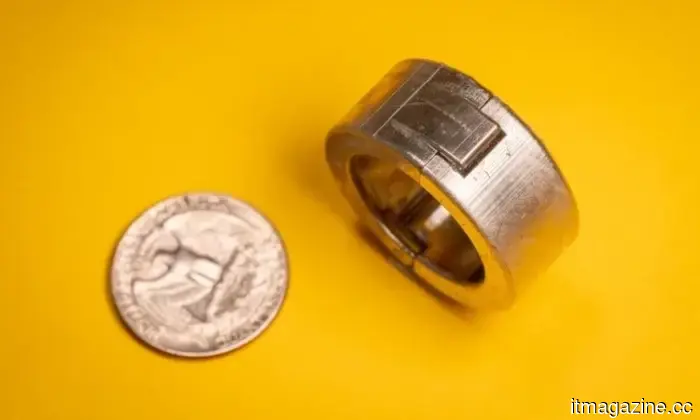
Smart rings concentrate on heart health. I envisioned the future, and it involves a sweat-monitoring lab on your finger.
We have entered an era of biohacking. No, I’m not referring to extreme cases like Bryan Johnson, who is spending millions on ambitious health and anti-aging endeavors. The average consumer of wearables now demands more. They are utilizing the data gathered by smartwatches, bands, and rings, feeding it to AI agents for deeper insights into their health. I created a dashboard for myself using Claude in under ten minutes to interpret the data collected by my smart ring.
However, wearables have limitations, mainly due to the constraints of their light-based sensors. Initially developed to measure heart rate, these sensors have made remarkable advancements over the past decade, now measuring ECG, blood pressure fluctuations, temperature changes, and blood oxygen saturation levels. Nevertheless, they cannot explore the biochemical aspects, which typically require a hospital visit or complex medical equipment.
Meta has patented a method to physically disable the cameras in their smart glasses.
Meta's smart glasses have started earning a less than flattering nickname—"pervert glasses"—due to prolonged incidents of secret filming, harassment, and inappropriate use of the camera to record individuals without their consent. It seems that Meta has devised a solution. Hidden within a recently awarded patent is a potential fix, and it’s about time.
Meta is attempting to resolve the significant concern surrounding its smart glasses: the uncomfortable potential that someone wearing them could be recording you without your awareness. The company is implementing a privacy update aimed at addressing a loophole that previously allowed wearers to continue recording even after covering the glasses’ front-facing capture LED. This update is being introduced as Meta’s AI-powered glasses face increasing scrutiny over privacy issues, harassment, and the growing ambiguity between wearable technology and covert surveillance.





Other articles
 China’s car manufacturers are urged by regulators to prioritize quality improvements rather than simply adding new features.
Four Chinese ministries launched a yearlong initiative focused on automobile quality that prohibits manufacturers from altering vehicle specifications through over-the-air updates without prior approval.
China’s car manufacturers are urged by regulators to prioritize quality improvements rather than simply adding new features.
Four Chinese ministries launched a yearlong initiative focused on automobile quality that prohibits manufacturers from altering vehicle specifications through over-the-air updates without prior approval.
 A two-step AI technique can finally address the challenges of low-light photography in smartphone cameras.
Researchers have created a two-step AI system that improves ultra-high-definition images taken in low light while maintaining fine textures, edges, and scene details.
A two-step AI technique can finally address the challenges of low-light photography in smartphone cameras.
Researchers have created a two-step AI system that improves ultra-high-definition images taken in low light while maintaining fine textures, edges, and scene details.
 A snug compression might resolve the most significant challenge facing solid-state batteries for vehicles and electronic devices.
Solid-state batteries offer the potential for safer and quicker charging power, but tiny dendrites often cause short circuits. Researchers at Stanford found that by applying constant mechanical pressure, dendrites can grow laterally in a non-harmful way, providing a straightforward engineering solution to advance the development of next-generation batteries for electric vehicles and portable devices.
A snug compression might resolve the most significant challenge facing solid-state batteries for vehicles and electronic devices.
Solid-state batteries offer the potential for safer and quicker charging power, but tiny dendrites often cause short circuits. Researchers at Stanford found that by applying constant mechanical pressure, dendrites can grow laterally in a non-harmful way, providing a straightforward engineering solution to advance the development of next-generation batteries for electric vehicles and portable devices.
 OpenAI will cease providing models to Cursor following the acquisition by SpaceX.
OpenAI will cease providing models to Cursor on November 12, following SpaceX's acquisition of the company. Cursor has already shipped Grok 4.5, which was developed by SpaceXAI in July.
OpenAI will cease providing models to Cursor following the acquisition by SpaceX.
OpenAI will cease providing models to Cursor on November 12, following SpaceX's acquisition of the company. Cursor has already shipped Grok 4.5, which was developed by SpaceXAI in July.
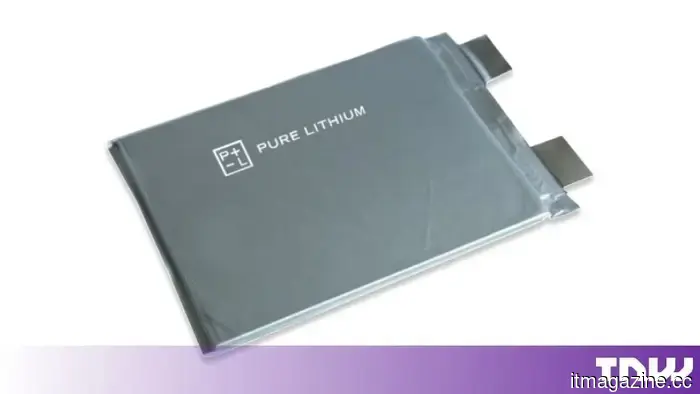
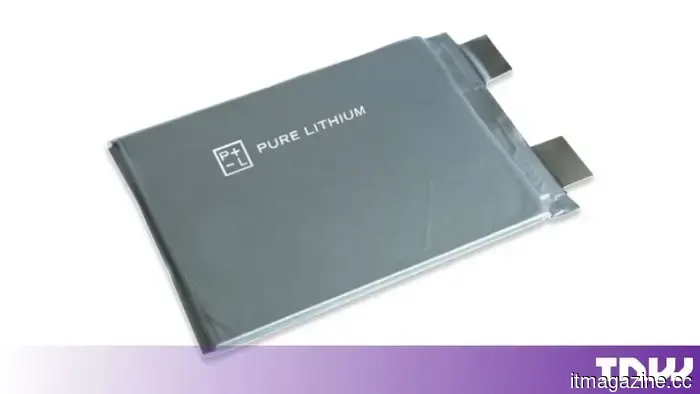 This battery, which does not use graphite, has the potential to disrupt China's dominance in the electric vehicle supply chain.
Pure Lithium reports that its graphite-free cell completed 9,315 cycles. By 2030, Europe aims to process 40% of its own graphite, while China processes more than 90% of it.
This battery, which does not use graphite, has the potential to disrupt China's dominance in the electric vehicle supply chain.
Pure Lithium reports that its graphite-free cell completed 9,315 cycles. By 2030, Europe aims to process 40% of its own graphite, while China processes more than 90% of it.
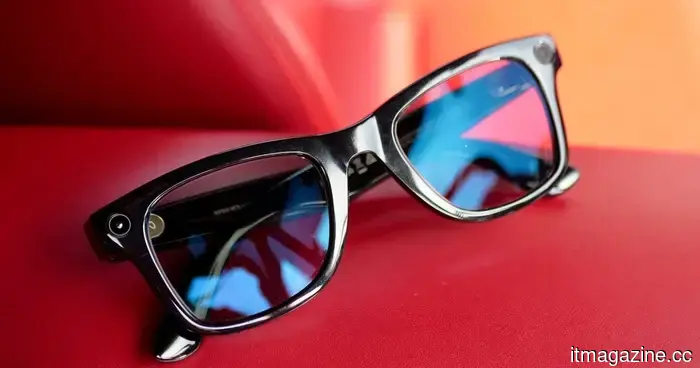 A Meta patent reveals a hardware kill switch for its camera glasses. This feature couldn't arrive at a better time.
A recently awarded patent to Meta unveils a hardware kill switch for its smart glasses, responding to months of criticism regarding covert recording and breaches of privacy.
A Meta patent reveals a hardware kill switch for its camera glasses. This feature couldn't arrive at a better time.
A recently awarded patent to Meta unveils a hardware kill switch for its smart glasses, responding to months of criticism regarding covert recording and breaches of privacy.
The trend of banning Meta smart glasses is gaining momentum in the US, with a nightclub in New York taking the initiative.
A nightclub in New York City has prohibited smart glasses due to growing concerns over covert recordings, echoing similar measures implemented in the UK.