
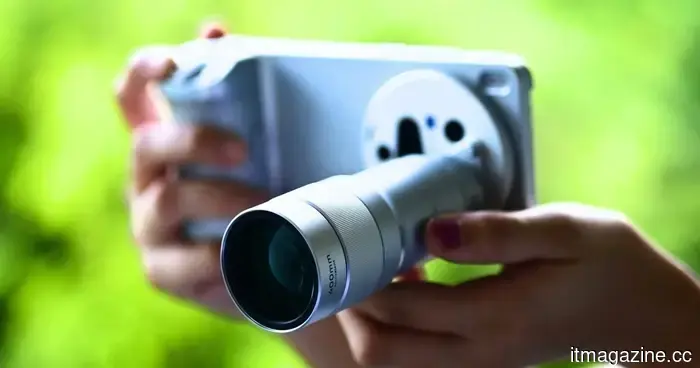
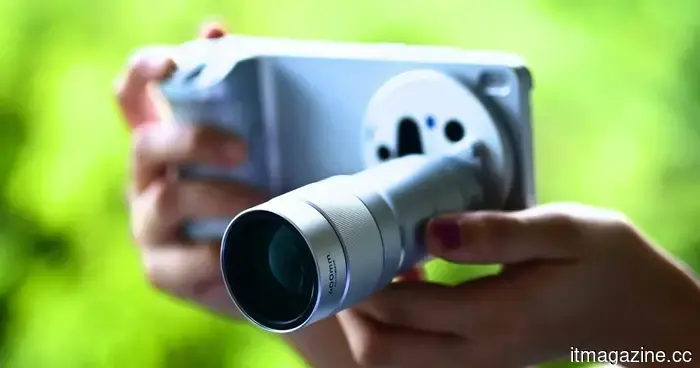
Zoom features on smartphones are impressive. However, after trying the Vivo X300 Ultra, I realize they may not be suitable for everyone.
The competition in smartphone cameras has seen significant changes over the past few years. The focus of discussions has shifted from the variety of camera options to factors like megapixel count, sensor size, and overall versatility. Additionally, manufacturers are now offering their own zoom kits featuring high-quality optics that enhance their ecosystem.
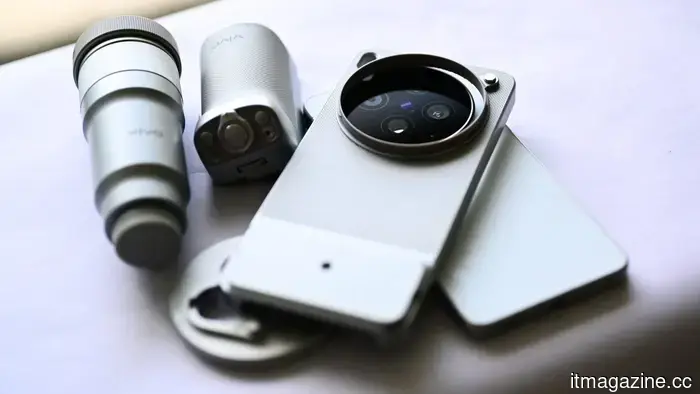
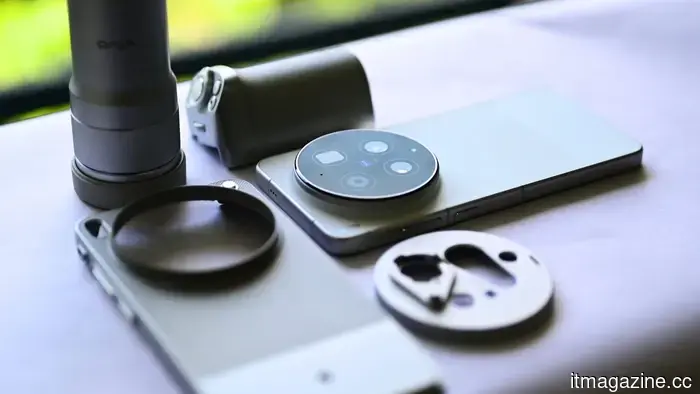
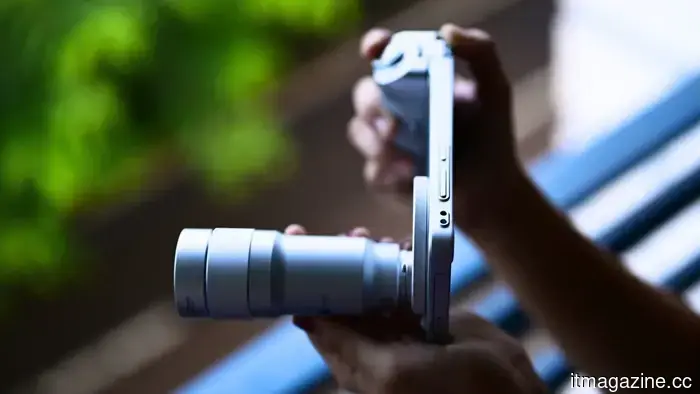
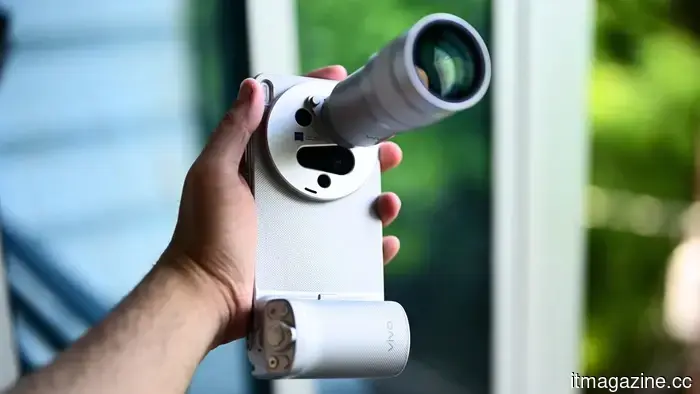
Recently, I’ve been using Vivo’s X300 Ultra, which boasts one of the most ambitious camera systems integrated into a Snapdragon 8 Elite Gen 5 smartphone. To provide additional zoom capabilities, Vivo also sells ZEISS Telephoto Extender kits, transforming the already substantial X300 Ultra into a device that resembles a professional camera. While it’s quite remarkable, for most users, it poses a solution looking for a problem.
The standout feature for me is the 3.7x periscope telephoto camera. It utilizes a 200MP Samsung ISOCELL HP0 sensor that measures 1/1.4 inches, enabling it to capture images with an equivalent focal length of 85mm, resulting in 3.7x lossless optical zoom. With 3-degree gimbal-grade stabilization and 60fps autofocus tracking, it excels in both handheld photography and videography.
Here’s a key point to note: the 200MP telephoto sensor is sufficiently large to simulate longer focal lengths, such as 170mm (around 7.4x) or even 10x. Although there’s some noticeable quality degradation, pixel binning and AI upscaling compensate for the majority of it.
The result is that any images taken within this zoom range are more than adequate for social media sharing or even small prints.
The extenders serve as impressive engineering feats.
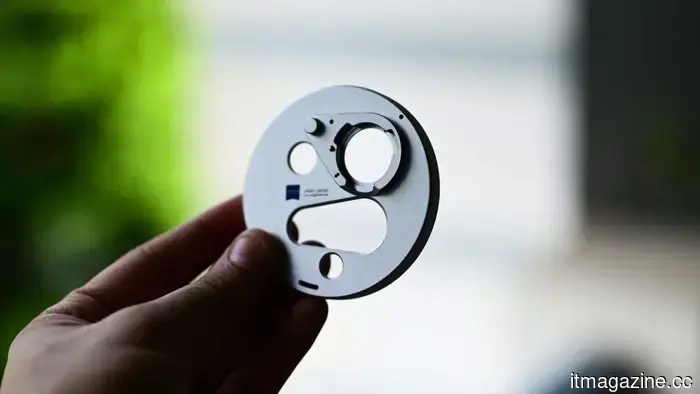
The ZEISS Telephoto Extender Gen 2 Ultra provides 4.7x magnification on the native 85mm lens, achieving an equivalent focal length of 400mm or roughly 17.4x zoom from the main camera. Built with a Kepler optical design that includes 14 glass elements in a single group, the lens maintains good stabilization even when attached (CIPA 4.5), but the combined weight of the glass in an aluminum structure comes to 248 grams.
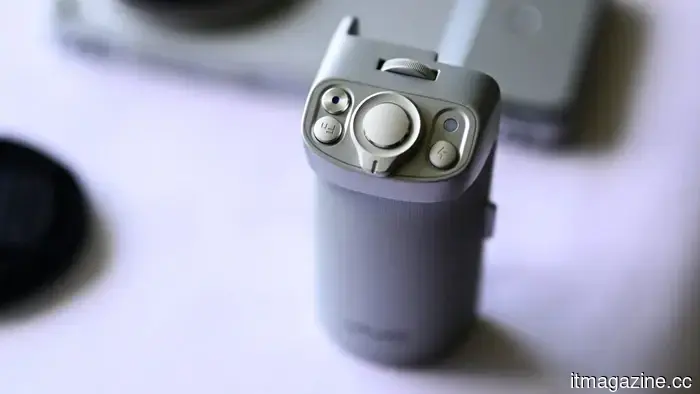
When paired with the optional Imaging Grip, which includes a 2,300mAh battery, camera-like controls, and a protective case, Vivo effectively transforms a smartphone into a capable mirrorless camera.
I understand why photography enthusiasts have been raving about this.
However, using the 400mm setup presents its own challenges.
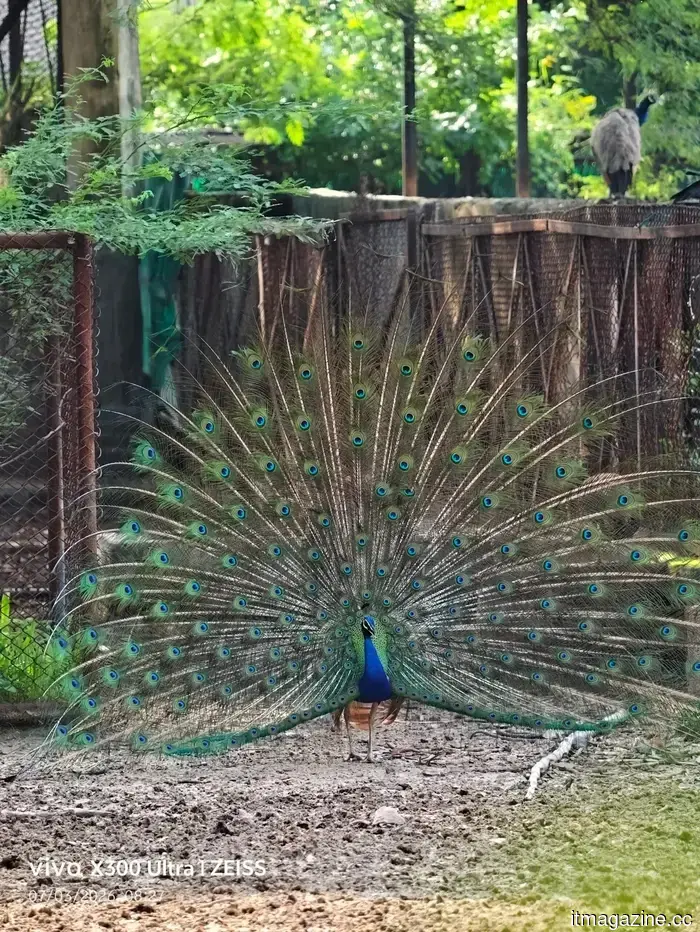
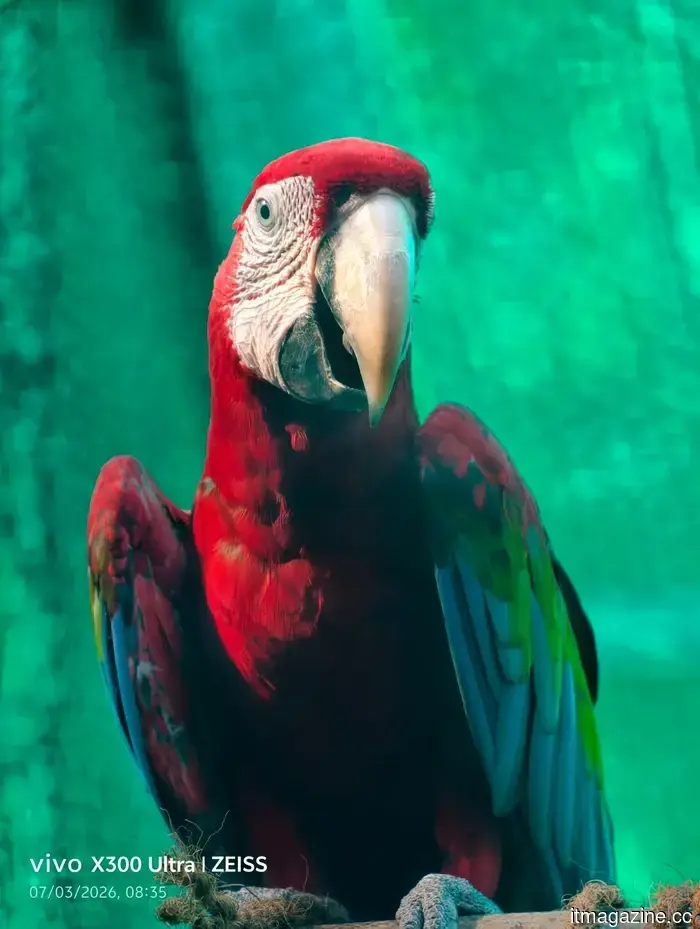
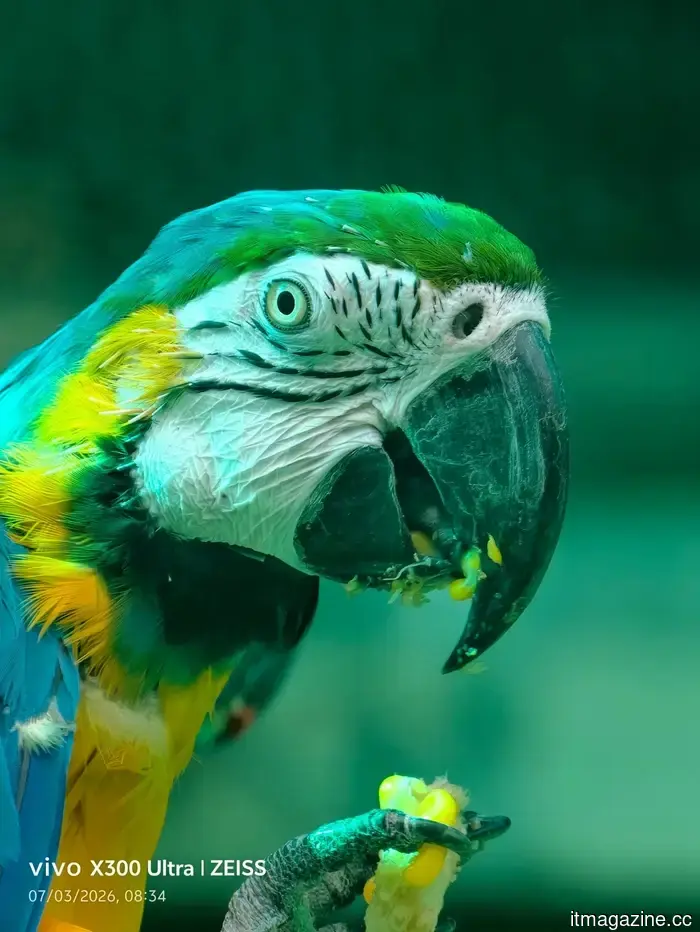
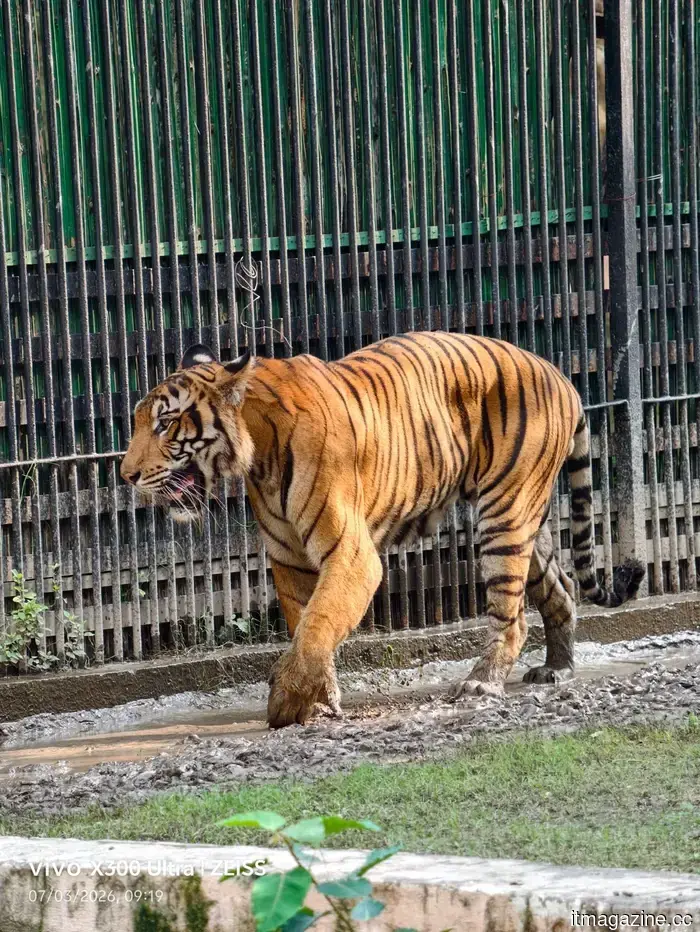
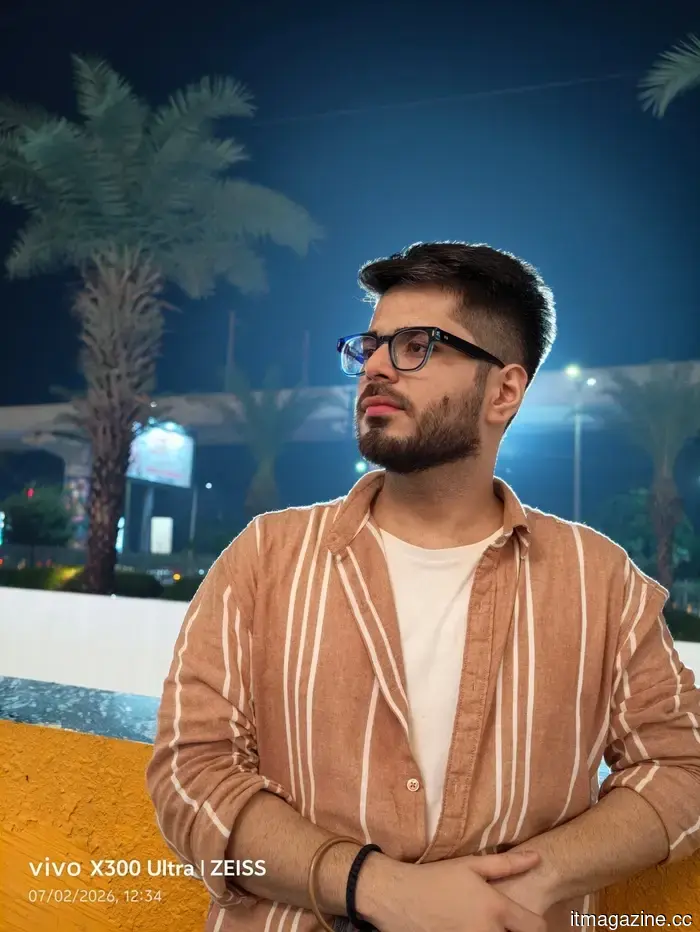
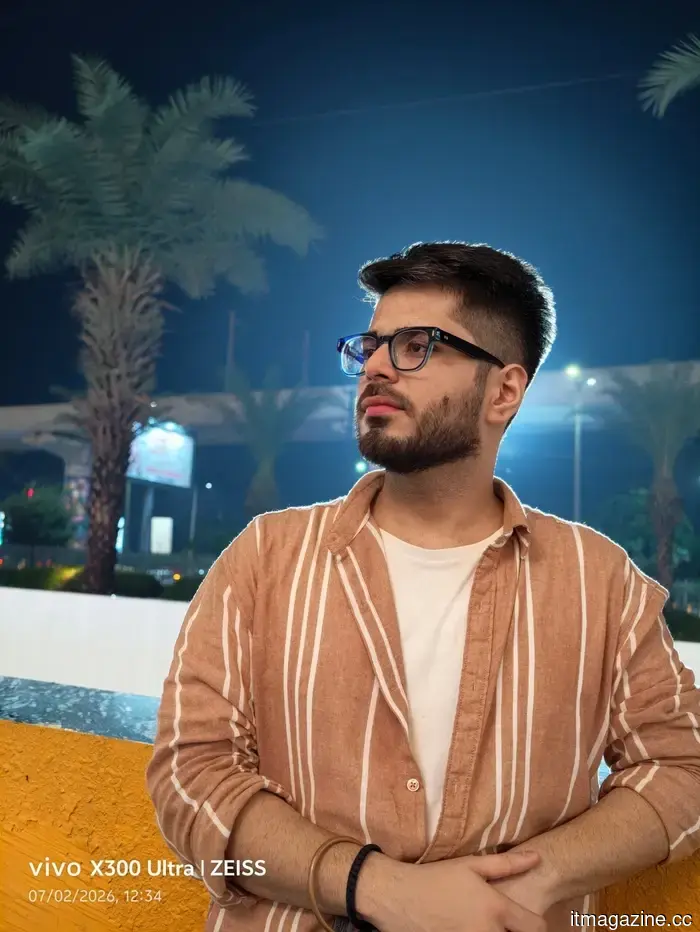
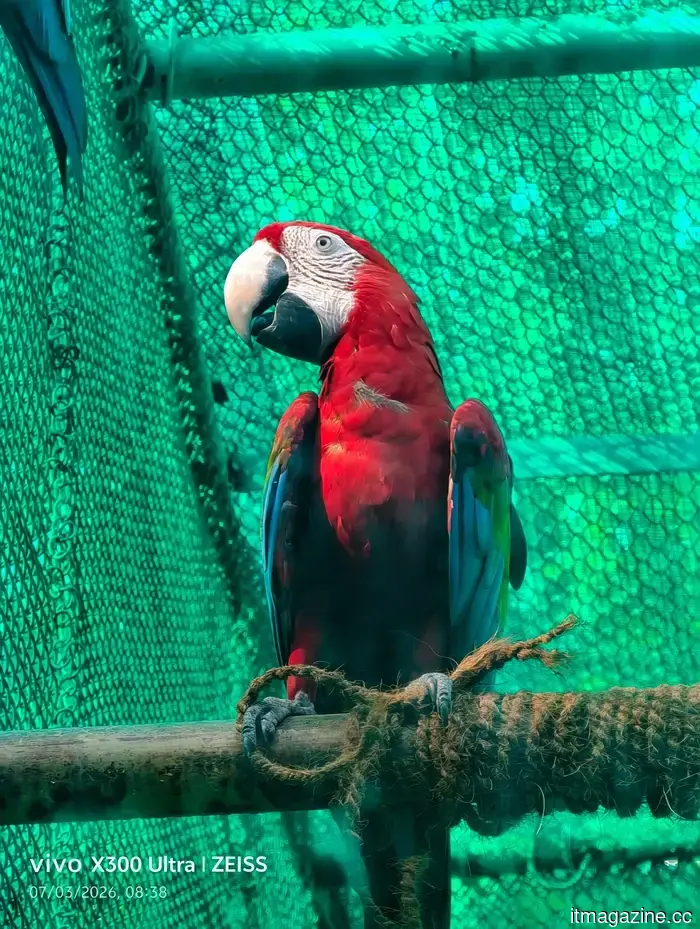
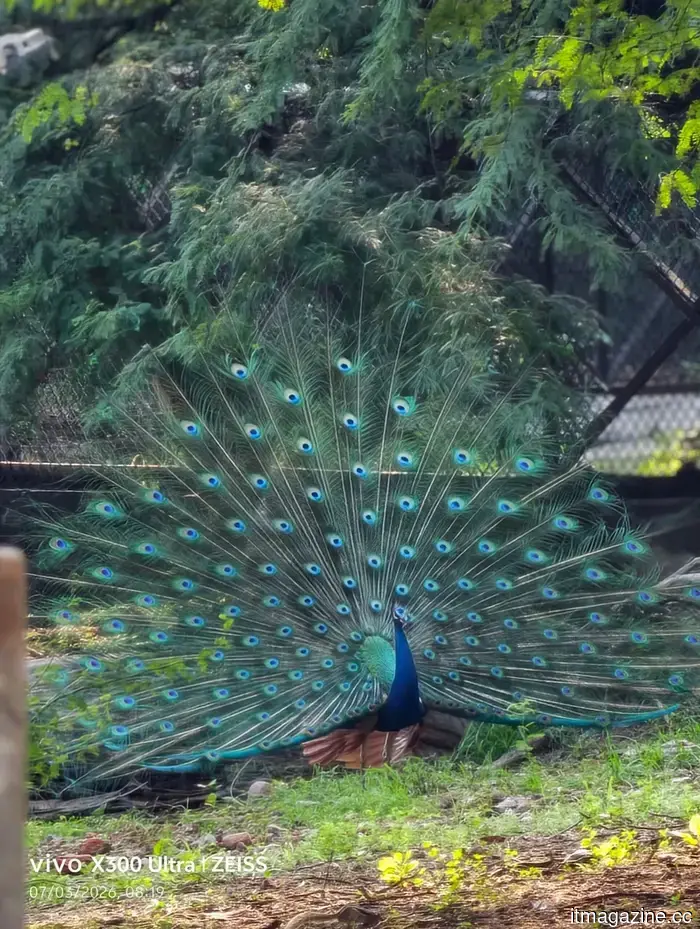
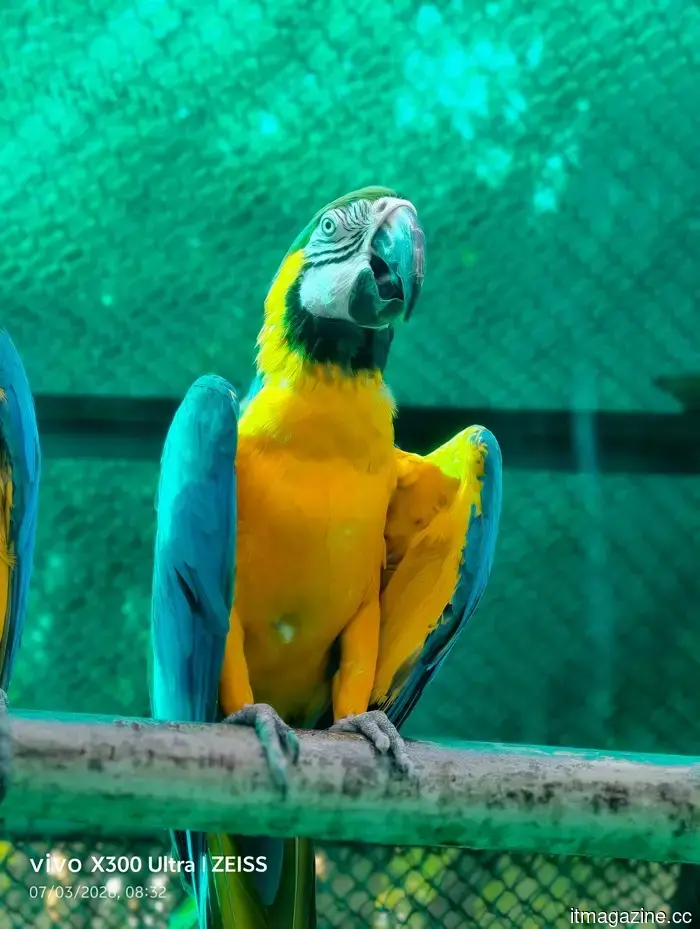
After taking over 1,200 photos in the past two weeks, with around 400 of them using the 400mm telephoto extender, I can see why there’s so much excitement. Beyond the impressive zoom capability, I was particularly amazed by how much detail, texture, and depth the lens captures, including elements like hair, skin tones, animal fur, flowers, fabric textures, and wrinkles.
Whether you’re shooting at the 400mm focal length or zooming in to 800mm in the viewfinder, the lens produces a natural falloff that closely resembles what I typically expect from dedicated telephoto cameras.
At 400mm, the lens achieves a sweet spot where the distinction between subject and background is nearly as compelling as with a traditional camera. Check out some samples included below.
Nonetheless, the initial excitement faded quickly as I realized how accustomed smartphones have made me to casually point, play with the zoom, snap a shot, and move along.
The first challenge is the time it takes to remove both lens caps and attach the 400mm teleconverter. I’ve lost track of how often I thought I had the ideal shot, only to find it gone by the time I managed to point the X300 Ultra with the external lens at it (hastily impatient looks from friends included).
The X300 Ultra weighs 237 grams, making it one of the heftier phones available. When you add the 248 grams of the telephoto extender and the combined weight of the battery grip and case assembly (estimated at around 80 to 100 grams), the total comes to approximately 565 grams (1.25 pounds). This makes it somewhat cumbersome to handle or even fit into a bag.
Moreover, telephoto lenses come with a minimum focusing distance, and the 400mm extender is no different. When I attach the lens, I often find myself needing to step back three to five full steps, depending on how far the subject is, before the X300 Ultra can lock focus. Even then, the resulting image may not be what I intended, often just a tighter crop.
Finally, despite decent stabilization offered by the external lens, shooting at 400mm or beyond requires stability akin to using a tripod. You either need very steady hands or to rest the phone against something solid like a wall, rail, bench, or even a friend’s shoulder, in order to capture the sharpest image possible.
I also want to note that the phone's native zoom





Other articles
 As artificial intelligence transforms the business landscape, the role of the fractional CTO is becoming increasingly relevant.
Only 21% of organizations have established mature AI governance, while 74% anticipate utilizing agents by 2027 (Deloitte). Daniel Kirichanski, founder of Prime Path Global, suggests that fractional CTO leadership bridges the divide between AI aspirations and organizational preparedness.
As artificial intelligence transforms the business landscape, the role of the fractional CTO is becoming increasingly relevant.
Only 21% of organizations have established mature AI governance, while 74% anticipate utilizing agents by 2027 (Deloitte). Daniel Kirichanski, founder of Prime Path Global, suggests that fractional CTO leadership bridges the divide between AI aspirations and organizational preparedness.
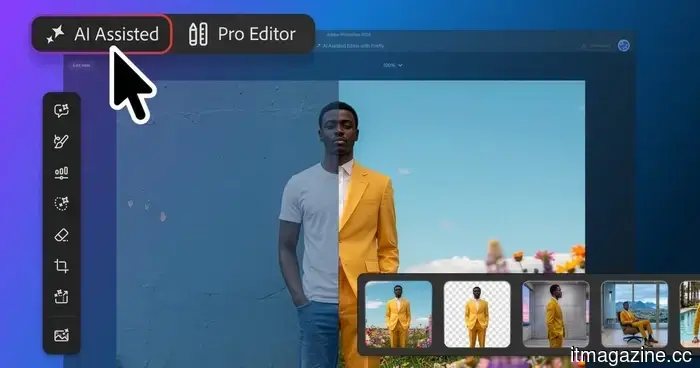 Adobe Photoshop has introduced an AI editor for those who prefer using prompts.
Photoshop's new AI Assisted Editor offers users a prompt-based approach for making edits, while Adobe maintains the classic Pro Editor and introduces new features for masks, markup, lighting, and text.
Adobe Photoshop has introduced an AI editor for those who prefer using prompts.
Photoshop's new AI Assisted Editor offers users a prompt-based approach for making edits, while Adobe maintains the classic Pro Editor and introduces new features for masks, markup, lighting, and text.
 Claude now has its own browser and does not require the Chrome extension anymore.
Anthropic has integrated a browser into Claude Cowork, which is enabled by default. The DMA choice screen is applicable only to gatekeepers, and Anthropic does not fall into that category.
Claude now has its own browser and does not require the Chrome extension anymore.
Anthropic has integrated a browser into Claude Cowork, which is enabled by default. The DMA choice screen is applicable only to gatekeepers, and Anthropic does not fall into that category.
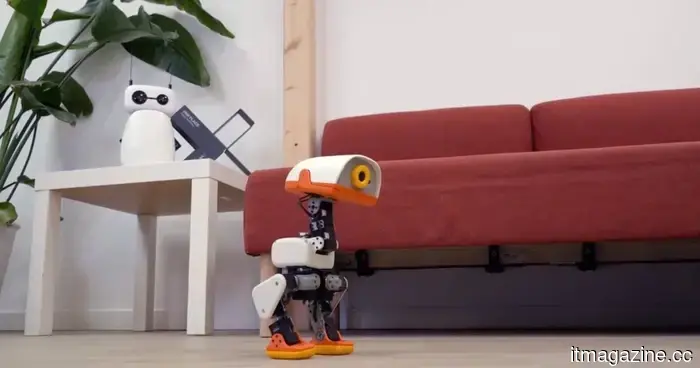 Pollen Robotics’ Microduck is designed to simplify and reduce the costs of training physical AI systems, making the process less delicate.
Pollen Robotics' Microduck is a small biped priced at $399, created to facilitate more accessible physical AI training. It allows developers to test new robotic behaviors on a durable platform that can withstand an occasional fall.
Pollen Robotics’ Microduck is designed to simplify and reduce the costs of training physical AI systems, making the process less delicate.
Pollen Robotics' Microduck is a small biped priced at $399, created to facilitate more accessible physical AI training. It allows developers to test new robotic behaviors on a durable platform that can withstand an occasional fall.
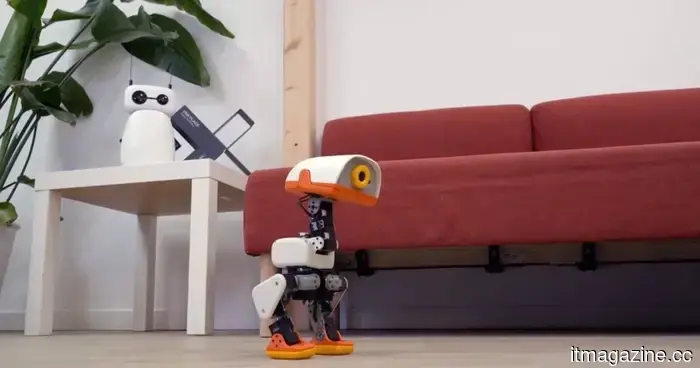 Pollen Robotics' Microduck is designed to reduce the fragility and cost of training physical AI significantly.
Pollen Robotics' Microduck is a small biped priced at $399, created to facilitate physical AI training. It allows developers to test new robotic behaviors on a resilient platform that can withstand occasional falls.
Pollen Robotics' Microduck is designed to reduce the fragility and cost of training physical AI significantly.
Pollen Robotics' Microduck is a small biped priced at $399, created to facilitate physical AI training. It allows developers to test new robotic behaviors on a resilient platform that can withstand occasional falls.
 OpenAI, Anthropic, Google, and Microsoft advocate for cyber defense to be prioritized at the leadership level.
OpenAI, Anthropic, Google, and Microsoft are advocating for cyber defense to be prioritized at the leadership level. The EU has already implemented the reporting they are seeking.
OpenAI, Anthropic, Google, and Microsoft advocate for cyber defense to be prioritized at the leadership level.
OpenAI, Anthropic, Google, and Microsoft are advocating for cyber defense to be prioritized at the leadership level. The EU has already implemented the reporting they are seeking.
Zoom features on smartphones are impressive. However, after trying the Vivo X300 Ultra, I realize they may not be suitable for everyone.
I dedicated weeks to photographing with the Vivo X300 Ultra's 400mm ZEISS extender kit. The optics are exceptional, but the weight, setup time, and cost leave much to be desired.