

The SEC has issued subpoenas to four banks regarding Situational Awareness.
American securities regulators have issued subpoenas to the banks that provided loans to Situational Awareness, which it used for its AI investments. The Securities and Exchange Commission is seeking information regarding the timing of the fund’s trades and its interactions with lenders about the borrowed money. Additionally, they have instructed the banks to retain any relevant data pertaining to the San Francisco-based company.
Rob Copeland and Matthew Goldstein reported this story for The New York Times, referencing three individuals familiar with the situation.
Four banks, none of which have made comments, received the subpoenas: Goldman Sachs, JPMorgan Chase, Citigroup, and Bank of America, as reported by Hugh Leask for CNBC, citing Reuters. According to a regulatory filing referenced by The Times, all four banks were significant clients of the fund. Representatives for each bank, along with the SEC, declined to comment on the matter.
Importantly, the SEC is not accusing anyone of wrongdoing. An inquiry does not imply that a firm is under investigation, and such inquiries frequently conclude without resulting in enforcement actions.
The fund anticipated this scrutiny. A spokesperson for Situational Awareness stated, “It is to be expected that regulators would closely examine any funds that are high profile, produce significant returns or have particularly dramatic drawdowns.” The statement also emphasized the firm’s commitment to fully cooperate with any regulatory requests. This response is reasonable and indeed the only option available; remaining silent is not an alternative.
The estimates regarding the fund's peak size vary. The Times reports it reached over $30 billion, with additional tens of billions borrowed, while CNBC and the Wall Street Journal estimate it at $45 billion. The decline in value is undisputed, with CNBC noting the fund fell to approximately $10 billion by late July, and Reuters indicating a 67% decrease in the portfolio for that month.
When it comes to leverage, the accounts align. The Journal reported that Situational Awareness borrowed about $3 for every $1 of capital it had, whereas CNBC indicates leverage of up to 400%.
The borrowing situation is crucial to understanding the collapse. The SEC inquired about leverage, which transformed a bad month into a near-failure. The fund had long positions in the AI supply chain while shorting traditional software companies it anticipated would be displaced by AI. When AI stock values dropped in July and older firms’ values rose, both sides adversely affected the fund simultaneously. This led to margin calls, prompting lenders to initiate a fire sale of the majority of the public portfolio. Citadel acquired those positions at an estimated discount of around 10%. Ken Griffin informed investors that Citadel has since minimized roughly 80% of the risk it undertook, with companies like SK Hynix and CoreWeave seeing their stocks rebound.
Jane Street, a backer of the fund, also suffered significant losses, with the Journal reporting a $15 billion loss—the worst monthly deficit in the trading firm's history. Jane Street seldom allocates funds to external managers but invested in Situational Awareness regardless and continues to back the sector, leading Etched’s $700 million funding round this month. Founders Patrick and John Collison of Stripe were also investors.
The Financial Times discovered that the fund operated with only eight employees, four of whom were investment professionals. This small team managed tens of billions of borrowed funds, a detail that regulators often scrutinize.
Leopold Aschenbrenner established the fund two years ago at the age of 22, shortly after being dismissed by OpenAI, and he had no prior investment experience.
The surviving stake is in Anthropic. Situational Awareness maintained its position in Anthropic during the fire sale. Aschenbrenner considered selling a $3.5 billion stake in the company and chose to sell off most of his public holdings instead, according to the Journal. This decision seems increasingly favorable as Anthropic is approaching a valuation of nearly $2 trillion in an upcoming listing. The connection extends beyond mere investment; Aschenbrenner married Avital Balwit, the chief of staff to Anthropic CEO Dario Amodei, earlier this month. Amodei and top Anthropic personnel attended the wedding just two days after the fund's crisis.
None of this indicates wrongdoing. Owning equity in a private company while marrying an executive's chief of staff does not constitute a securities violation, and no sources imply otherwise. This connection is noteworthy because the key asset remaining in a fund now undergoing regulatory examination is a stake in a firm whose leadership was present at the founder's wedding.
The SEC is inquiring about trades and leverage but has not questioned any details regarding Anthropic in the publicly available information.
Aschenbrenner is already seeking additional funding, having pursued a $400 million investment shortly after the fund's collapse. Numerous retail investors continue to replicate his trades through automated portfolios. His reputation in Silicon Valley appears to have strengthened, with one Anthropic researcher predicting that Situational Awareness may surpass Citadel in size by the decade
Other articles
 The gap in retail trading shows 63% confidence and 42% knowledge.
Retail investors on social media achieved a score of 42% but assessed themselves at 63%. Prop trading firms claim they bridge the gap. Regulators remain skeptical.
The gap in retail trading shows 63% confidence and 42% knowledge.
Retail investors on social media achieved a score of 42% but assessed themselves at 63%. Prop trading firms claim they bridge the gap. Regulators remain skeptical.
 Game of Thrones: War for Westeros places the destiny of the Iron Throne in your control.
PlaySide Studios unveiled the initial gameplay trailer for Game of Thrones: War for Westeros at Gamescom 2026. This officially licensed real-time strategy game is set to launch on PC through Steam in early 2027.
Game of Thrones: War for Westeros places the destiny of the Iron Throne in your control.
PlaySide Studios unveiled the initial gameplay trailer for Game of Thrones: War for Westeros at Gamescom 2026. This officially licensed real-time strategy game is set to launch on PC through Steam in early 2027.
 Bill Gates suggests the creation of 'Human Reserved' positions and the implementation of a tax on AI tokens.
Bill Gates has suggested the creation of 'Human Reserved' jobs that would be safeguarded from AI, specifically mentioning roles such as childcare and jury duty, in addition to implementing taxes on AI tokens and robots.
Bill Gates suggests the creation of 'Human Reserved' positions and the implementation of a tax on AI tokens.
Bill Gates has suggested the creation of 'Human Reserved' jobs that would be safeguarded from AI, specifically mentioning roles such as childcare and jury duty, in addition to implementing taxes on AI tokens and robots.
 SpaceX is investing $100 billion in establishing a second Starbase on a former Exxon site in Louisiana.
SpaceX plans to construct a $100 billion Starship spaceport in Vermilion Parish, Louisiana, starting construction in 2027, with a goal of its first launch in 2029.
SpaceX is investing $100 billion in establishing a second Starbase on a former Exxon site in Louisiana.
SpaceX plans to construct a $100 billion Starship spaceport in Vermilion Parish, Louisiana, starting construction in 2027, with a goal of its first launch in 2029.
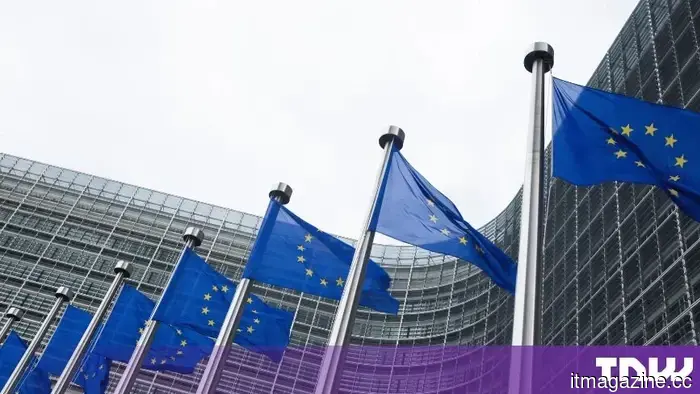 An internal document reveals that EU officials were targeted on WhatsApp.
An internal EU cybersecurity presentation acquired by Politico indicates that foreign nations aimed attacks at high-ranking officials through messaging apps, in light of eight major incidents.
An internal document reveals that EU officials were targeted on WhatsApp.
An internal EU cybersecurity presentation acquired by Politico indicates that foreign nations aimed attacks at high-ranking officials through messaging apps, in light of eight major incidents.
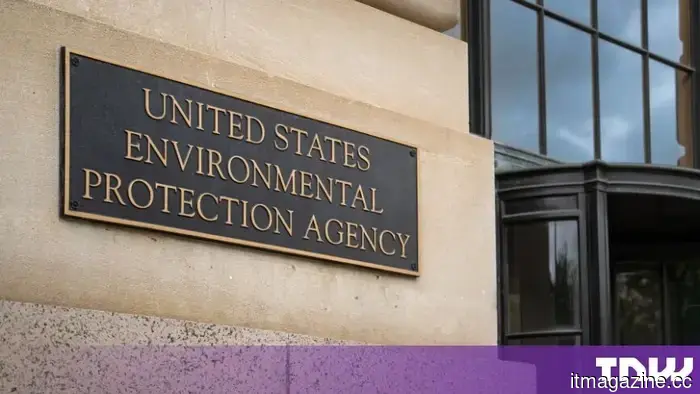
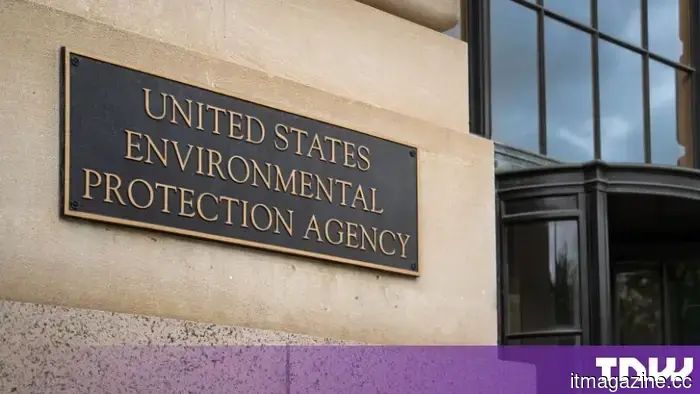 The EPA aims to make the disclosure of data center pollution voluntary.
A suggested rule from the EPA would allow for voluntary public disclosure of air pollution from minor sources, focusing on diesel generators located near data centers.
The EPA aims to make the disclosure of data center pollution voluntary.
A suggested rule from the EPA would allow for voluntary public disclosure of air pollution from minor sources, focusing on diesel generators located near data centers.
The SEC has issued subpoenas to four banks regarding Situational Awareness.
According to the New York Times, the SEC has issued subpoenas to Goldman Sachs, JPMorgan, Citigroup, and Bank of America concerning Situational Awareness.