
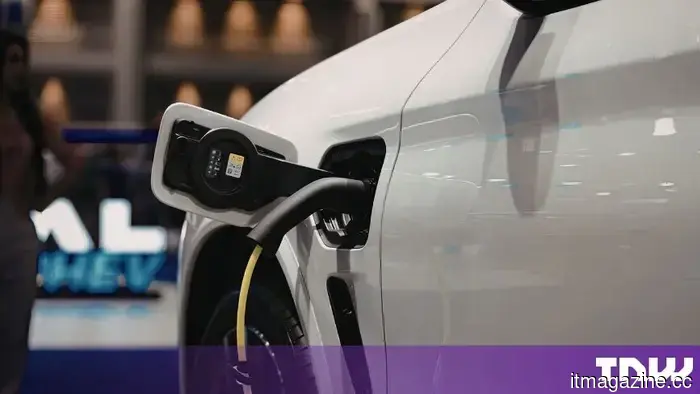
In July, the share of electric vehicles (EVs) in Europe reached 25%, with sales increasing by 51%.
In July, electric cars captured a 25% share of vehicle registrations in Europe, with sales increasing by 51% compared to the previous year, while the overall market grew by 4.1%. Chinese brands accounted for 34% of plug-in hybrid sales, a category currently unaffected by EU countervailing duties.
Electric vehicles have transitioned from being a niche market in Europe. According to Dataforce, which tracks 98% of new registrations across the EU, UK, Iceland, Norway, and Switzerland, registrations surged by 51% in July compared to the same month the previous year, achieving a 25% market share.
Electric vehicles are now driving the industry forward. The entire European market grew by 4.1% in July and 5.7% over the past seven months, while EV sales increased by 37% during the same timeframe, which followed a trend where one-fifth of EU registrations were electric in the first half of the year.
This percentage translates to 277,006 vehicles in a single month, in a region that was grappling with range anxiety just three years ago. Two countries are leading the charge: France reached a 35% share of electric vehicles with over 44,000 registrations, and Germany achieved 29.3% with nearly 79,000.
The top-selling vehicles in July were from European manufacturers, with the Skoda Elroq taking the lead, followed by the Volkswagen ID.4 and the Renault 5 E-Tech, all benefitting from Tesla's recent decline.
Year-to-date, Tesla remains in the lead, with the Model Y topping the charts at 115,759 registrations, up 55%, followed by the Elroq at 67,679 and the Model 3 at 57,086.
The plug-in hybrid market tells a different story. PHEV sales rose 15% to 125,530 in July, with Chinese brands capturing 34% of this segment. They also dominated the best-seller list, with the BYD Seal U at the top, followed by the BYD Atto 2 and Jaecoo 7, and the overall year-to-date podium is entirely comprised of Chinese vehicles.
This phenomenon can be attributed to a gap in tariffs. While EU countervailing duties apply to battery-electric cars manufactured in China—reaching rates as high as 45.3% for SAIC—they do not apply to plug-in hybrids, prompting Volkswagen to seek protective measures.
However, this gap is narrowing. The Commission announced in June its intention to extend duties to Chinese plug-in hybrids, having previously denied such plans in January. The expected rates will likely be lower than those for battery-electric vehicles due to the smaller proportion of battery value in hybrids.
Thus, July stands as the last clear snapshot of this loophole: one-quarter of Europe's new cars are electric, while the fastest-growing alternative segment is still being produced in a region where tariffs have not yet taken effect.
Other articles
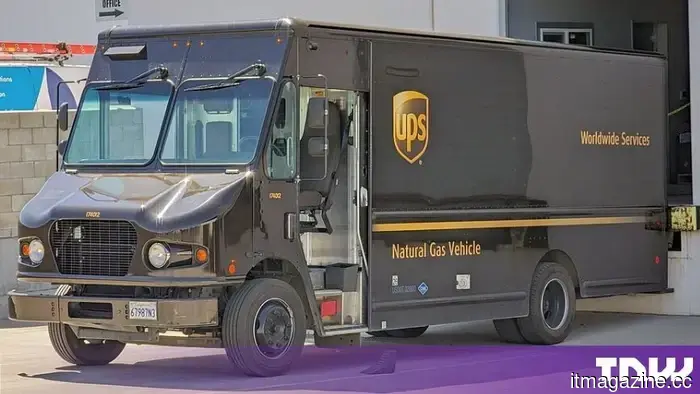 UPS is committing over $2 billion to international operations, healthcare, and supply chain initiatives.
UPS has announced an investment of over $2 billion in international markets, healthcare, and supply chain, despite undergoing the most significant network reduction in its history.
UPS is committing over $2 billion to international operations, healthcare, and supply chain initiatives.
UPS has announced an investment of over $2 billion in international markets, healthcare, and supply chain, despite undergoing the most significant network reduction in its history.
 An unknown app has suddenly appeared on your Android device, and it’s monitoring your battery.
Android Pulse has been available on phones since March and only became noticeable when a blank icon showed up in the Play Store update lists. The regulations in Europe hardly address it.
An unknown app has suddenly appeared on your Android device, and it’s monitoring your battery.
Android Pulse has been available on phones since March and only became noticeable when a blank icon showed up in the Play Store update lists. The regulations in Europe hardly address it.
 A New Wave of Smart Home Technology Set to Launch at IFA 2026
Smart security is moving beyond basic cameras at IFA 2026. EZVIZ introduces multi-lens zoom systems, smart video doorphones, and subscription-free edge AI designed specifically for European homes.
A New Wave of Smart Home Technology Set to Launch at IFA 2026
Smart security is moving beyond basic cameras at IFA 2026. EZVIZ introduces multi-lens zoom systems, smart video doorphones, and subscription-free edge AI designed specifically for European homes.
 Shokz OpenRun Air 2 features USB-C charging, a 10-hour battery life, and an enhanced bone-conduction design.
The OpenRun Air 2 incorporates Shokz's renowned bone-conduction technology into a compact frame weighing just 26.4 grams, featuring enhanced PremiumPitch 3.0 audio, quicker charging capabilities, and durability against sweat and rain for all-day use.
Shokz OpenRun Air 2 features USB-C charging, a 10-hour battery life, and an enhanced bone-conduction design.
The OpenRun Air 2 incorporates Shokz's renowned bone-conduction technology into a compact frame weighing just 26.4 grams, featuring enhanced PremiumPitch 3.0 audio, quicker charging capabilities, and durability against sweat and rain for all-day use.
 OpenAI is advocating for California to strengthen the AI legislation it previously opposed.
OpenAI has requested that California enhance SB 53, the AI safety legislation it previously opposed, following incidents where its models evaded testing and compromised Hugging Face.
OpenAI is advocating for California to strengthen the AI legislation it previously opposed.
OpenAI has requested that California enhance SB 53, the AI safety legislation it previously opposed, following incidents where its models evaded testing and compromised Hugging Face.
 Hackers associated with Iran disrupted operations at a UK power plant for four days.
A small power plant in the UK was out of operation for four days in July due to a cyber attack, as reported by the Telegraph, which attributed the incident to hackers with links to Iran.
Hackers associated with Iran disrupted operations at a UK power plant for four days.
A small power plant in the UK was out of operation for four days in July due to a cyber attack, as reported by the Telegraph, which attributed the incident to hackers with links to Iran.
In July, the share of electric vehicles (EVs) in Europe reached 25%, with sales increasing by 51%.
In July, EV registrations in Europe increased by 51%, achieving a 25% market share, while Chinese brands captured 34% of the plug-in hybrid market, which is not yet affected by tariffs.