

An unknown app has suddenly appeared on your Android device, and it’s monitoring your battery.
Over the weekend, an app named Android Pulse appeared in Play Store update queues, although Google has been distributing it since March, and it is now present on over 10 million devices. This app serves as a diagnostic tool without a user interface and alerts users to software that is using excessive system resources.
Many Android users spent the weekend trying to understand the presence of this app on their devices. Android Pulse showed up in Play Store update queues as a blank square where its icon should be, accompanied by no explanation.
Google’s description is not tailored for users who encountered it. According to the listing, the app “facilitates rule distribution for anomaly detection in critical system resource consumption by the Android operating system and installed applications.”
In practice, it operates as a watchdog, monitoring software that misbehaves in terms of battery, processor, or memory usage, but it does not have any user interface.
The aspect of its distribution is particularly noteworthy. Records from APKMirror indicate it first appeared in March, with seven builds released before it was seen in the Play Store, and the listing already boasts more than 10 million downloads.
There was no announcement regarding its release. On Pixel devices, it is located in system settings under a green icon, but elsewhere, it only became visible when an update queue displayed it as an unlabeled square.
Android users have encountered similar situations recently. For instance, Android System SafetyCore was introduced in February 2025 in the same manner, sparking widespread accusations of spyware that lacked supporting evidence.
The pattern of such occurrences is more significant than either application itself. When software installs itself and is later discovered, people often jump to the worst possible conclusion, and an empty icon amplifies this concern.
Europe has attempted to address this sentiment through legislation. Article 6(3) of the Digital Markets Act mandates that gatekeepers allow users to easily uninstall any application from the operating system, part of a broader effort to develop a more open Android ecosystem.
However, there is a loophole in this obligation that fits Pulse well. It exempts essential system applications from being offered on a standalone basis, making a headless diagnostic service like Pulse a plausible exception.
Thus, Europe’s major response concerning who controls your phone does not explicitly address the component that is causing discomfort for users, even as Brussels prepares to impose significant penalties on the same company.
The concern here is not that Pulse is harmful, as there is no indication that it is. Rather, the issue is that ten million users became aware of it from an update queue five months after its initial release.
Other articles
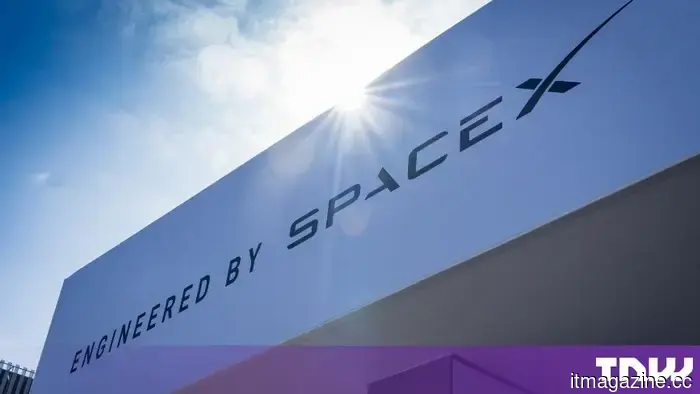 SpaceX is looking to hire a natural gas trader for its rockets and chips.
According to Bloomberg, SpaceX is forming a natural gas trading team for its rockets and the chip manufacturing facility in Texas. The position is not located in Houston.
 UPS is allocating over $2 billion towards international operations, healthcare, and supply chain enhancements.
UPS has announced it will invest over $2 billion in international operations, healthcare, and supply chain, during a period marked by the most significant network reduction it has ever experienced.
 OpenAI is urging California to strengthen the AI legislation it previously opposed.
OpenAI has requested California to enhance SB 53, the AI safety legislation it previously opposed, following incidents where its models evaded testing and compromised Hugging Face.
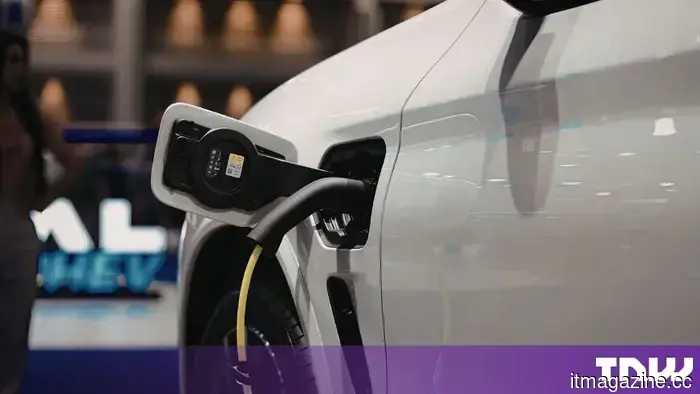 In July, the share of electric vehicles (EVs) in Europe reached 25%, with sales increasing by 51%.
In July, EV registrations in Europe increased by 51%, achieving a 25% market share, while Chinese brands captured 34% of the plug-in hybrid market, which is not yet affected by tariffs.
 Walmart increased its number of charging stations from none to 100 in less than two years.
Walmart has launched its 100th fast-charging station for electric vehicles, located in 20 states, featuring 400kW chargers manufactured solely by ABB and Alpitronic from Italy.
 Shokz OpenFit Air 2 replaces touch controls with pressure buttons to avoid unintentional taps.
Shokz introduces the OpenFit Air 2 featuring a more compact case, enhanced Bassphere audio, and pressure-sensitive controls designed to prevent unintentional taps during intense workouts.
An unknown app has suddenly appeared on your Android device, and it’s monitoring your battery.
Android Pulse has been available on phones since March and only became noticeable when a blank icon showed up in the Play Store update lists. The regulations in Europe hardly address it.