

Patreon acknowledges that the issue of discoverability for smaller creators is a result of its own shortcomings.
Patreon has released a roadmap detailing new and updated features, with TechCrunch identifying 30 of them. A significant point made in the announcement is an acknowledgment of responsibility. “To the smaller creators on Patreon: the lack of discovery you’re seeing right now is not your fault. It’s ours,” stated CEO Jack Conte in a lengthy message to creators. Over the last two months, Patreon has expanded its discovery network to more creators, but Conte admits it is not yet effective for those who require it the most.
The challenge Patreon faced
For 13 years, Patreon was a sanctuary for creators seeking to avoid algorithms. Fans subscribed directly, allowing posts to reach them directly. In April, the platform introduced a Home feed, brief posts called Quips, and public posts that could be seen by users who are not already followers. This transformation turned Patreon into a platform with a recommendation system, which has its common pitfalls.
“Previously, our recommendations systems aimed to connect fans with creators similar to those they already enjoyed,” Conte explained. “However, this framework naturally favored larger creators.” He emphasized that this issue is backed by quantitative data, not only anecdotal evidence. A creator known as the lightFUL witch circle expressed this concern directly in the comments section, stating that smaller creators bring their established audiences to Patreon, only to see the discovery system directing those audiences toward larger creators instead. This situation makes small accounts feel like “feeders into the discovery system.”
Changes to the algorithm
To address this, Patreon will revise what the system compares. Instead of matching creators to other creators, it will focus on matching posts to other posts. Conte mentioned that the new comparisons will consider topics, styles, crafts, and themes, “regardless of the creator’s identity or their membership size.” Fans who appreciate a post about a specialized topic should encounter similar posts, no matter if the creator has 50 members or 50,000.
Conte did not guarantee success, stating he cannot ensure that everyone will acquire millions of new fans, describing that aspiration as unrealistic.
Patreon’s statistics regarding the network
Alongside the roadmap, the company released statistics showing that the network currently facilitates 1.5 million new free and paid memberships for creators each month. Memberships linked to the feed have quintupled since its launch in April. Creators who engage in public posting see a 25% to 30% increase in paid memberships compared to similar creators who do not.
These figures emerge a month after Patreon laid off 93 employees, or 20% of its workforce. Conte asserted at that time that the core business remains robust and that the roadmap would stay on course.
Short-form video features
Several new features draw inspiration from platforms that Conte critiques in his post. Clips, currently in early access on iOS, captures segments of creators’ longer videos and converts them into sharable short clips. Creators can download these clips for posting on TikTok, Reels, or Shorts and can also share them on Patreon as a Quip. Suggested previews focus on the most compelling moment of a paid video instead of simply presenting the first 30 seconds. Quip quotes mirror this for written content by pulling excerpts from longer posts for use as teasers.
Conte is cautious with his comparisons. In response to a creator requesting a YouTube competitor, he clarified that he is “being very careful not to label this as social media,” recalling how Instagram changed following its acquisition by Facebook. Additionally, Patreon is introducing video and Quips for adult creators, which the company claims incurs extra trust and safety costs.
Niches and community-centric spaces
Niches represent another investment in small creators. These spaces revolve around specific topics, interests, subcultures, and fandoms, allowing various creators and their fans to congregate. Conte likened it to “a subreddit, but with creators actively participating as well.” This feature is currently in an early prototype stage.
The rationale aligns with findings previously discussed. Data from the Estonian startup Odience indicated that niche creator communities tend to outperform broader reach efforts.
Patreon is collaborating with Cloudflare on anti-scraping measures
The roadmap includes anti-scraping initiatives, with Conte naming Cloudflare as a partner. Patreon is actively working with them to prevent AI crawlers from taking creators’ work. He did not soften his language on the matter. “We are partnering with Cloudflare to shield you from AI thieves and scoundrels scraping Patreon to rob you of your work,” he stated, noting his attempts to phrase it more diplomatically ended in frustration. “Creators deserve compensation, credit, and consent regarding AI. Anything less amounts to theft.”
Cloudflare has been developing a framework for this stance, setting a September deadline for AI crawlers to either compensate publishers or lose access to the platform. Other safety measures include enhanced sign-in verification, auto-moderation for non-English comments, real-time spam detection, and visibility controls for individual creators. Patreon reported that its
Other articles
 For the first time, New York has surpassed San Francisco in the number of tech workers.
According to CBRE's 2026 report, New York surpassed the Bay Area in tech employment, largely due to San Francisco losing 23,900 jobs. Nonetheless, it remains at the top of the rankings.
For the first time, New York has surpassed San Francisco in the number of tech workers.
According to CBRE's 2026 report, New York surpassed the Bay Area in tech employment, largely due to San Francisco losing 23,900 jobs. Nonetheless, it remains at the top of the rankings.
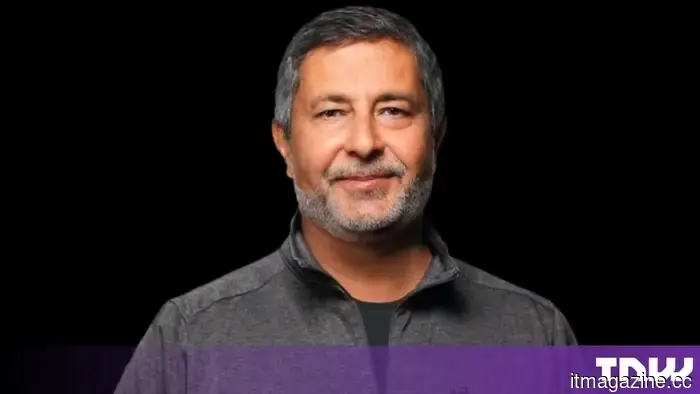 Micron is investing $10 billion in a laboratory, wagering that the memory cycle has shifted.
Micron is investing $10 billion into a research facility in Boise over the next ten years. According to its CEO, AI has altered the value of memory. The company's shares dropped by 29% in July.
Micron is investing $10 billion in a laboratory, wagering that the memory cycle has shifted.
Micron is investing $10 billion into a research facility in Boise over the next ten years. According to its CEO, AI has altered the value of memory. The company's shares dropped by 29% in July.
 Apple contributed 40% of its worldwide tax liability to a single nation.
Last year, Apple paid Ireland $17.1 billion, which constitutes approximately 40% of its global tax obligations. The majority of this amount is due to the back taxes that Ireland resisted collecting for eight years.
Apple contributed 40% of its worldwide tax liability to a single nation.
Last year, Apple paid Ireland $17.1 billion, which constitutes approximately 40% of its global tax obligations. The majority of this amount is due to the back taxes that Ireland resisted collecting for eight years.
 Google is encouraging publishers to add a button that allows readers to choose them.
Google's new Preferred Sources button allows readers to select a publisher without navigating away from the current page. It secures a position in Top Stories and AI Mode.
Google is encouraging publishers to add a button that allows readers to choose them.
Google's new Preferred Sources button allows readers to select a publisher without navigating away from the current page. It secures a position in Top Stories and AI Mode.
 Astromech secured $20 million at a valuation of $3.8 billion to predict how biology fails.
Ben Lamm and George Church secured $20 million at a valuation of $3.8 billion for Astromech, an AI system that analyzes 3.8 billion years of evolutionary data to forecast potential failures in biology.
Astromech secured $20 million at a valuation of $3.8 billion to predict how biology fails.
Ben Lamm and George Church secured $20 million at a valuation of $3.8 billion for Astromech, an AI system that analyzes 3.8 billion years of evolutionary data to forecast potential failures in biology.
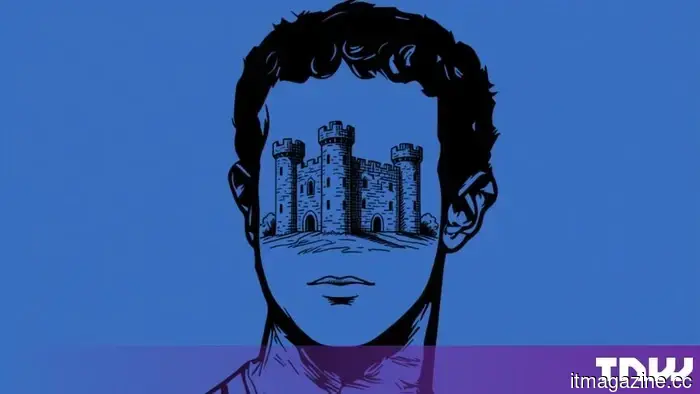 Mark Zuckerberg purchased a castle, while the rest of us settle for a sandcastle once a year.
Mark Zuckerberg purchased a 440-acre estate in Ireland during the week Meta faced trial regarding issues related to children. However, the castle itself is not the issue at hand.
Mark Zuckerberg purchased a castle, while the rest of us settle for a sandcastle once a year.
Mark Zuckerberg purchased a 440-acre estate in Ireland during the week Meta faced trial regarding issues related to children. However, the castle itself is not the issue at hand.
Patreon acknowledges that the issue of discoverability for smaller creators is a result of its own shortcomings.
Patreon's discovery network has favored larger creators. Jack Conte acknowledges that this is a flaw on Patreon's part, and indicates that the algorithm will now assess posts rather than creators.