
The minimalist phone is gradually reverting to being a smartphone.
I have a greater appreciation for minimalist phones in theory than I likely would in actual use. I desire fewer reasons to look at a screen, yet I recognize that I'm accustomed to my phone performing everyday tasks swiftly and effortlessly.
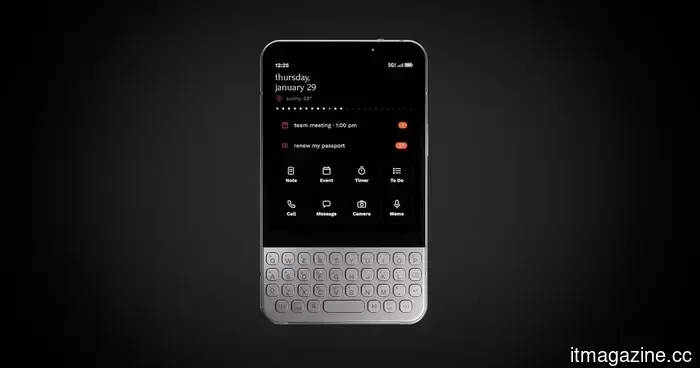
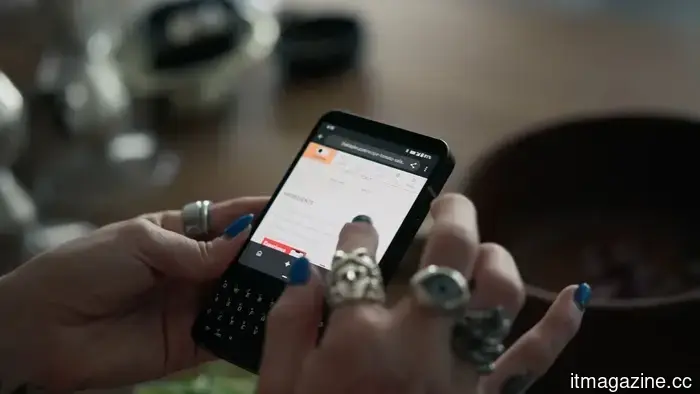
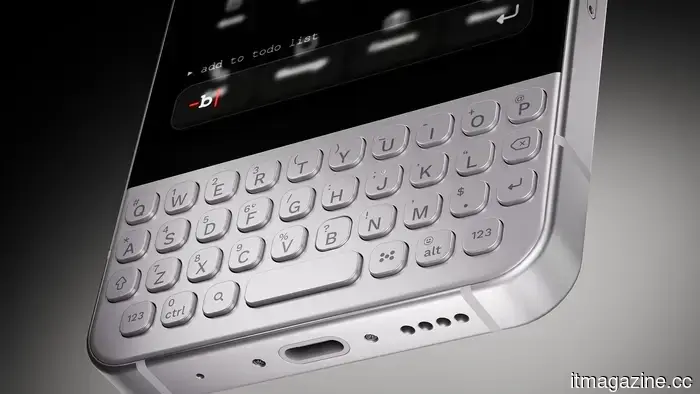
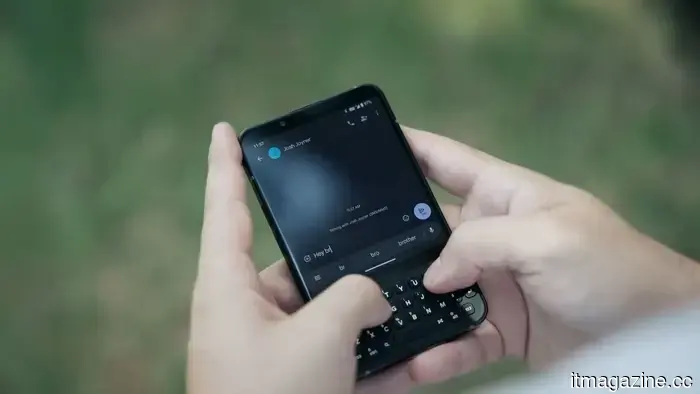
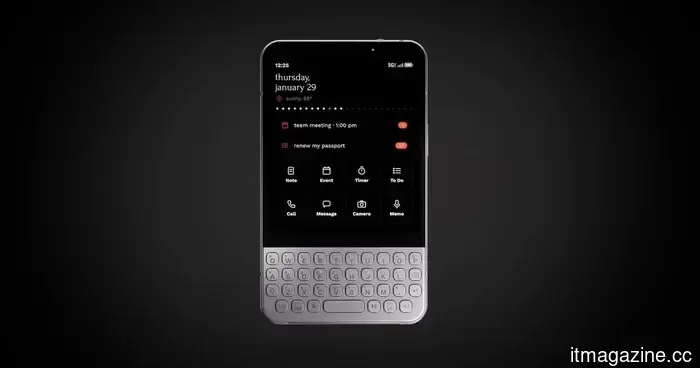
This is why the Minimal Phone 2 piques my interest. It replaces the initial model's E-paper display with a more fluid 90Hz AMOLED screen, along with upgraded hardware, 5G capabilities, and improved cameras. If I were to purchase one, I would likely desire most of those enhancements as well. The issue arises when all these additions collectively make the Minimal Phone resemble the smartphones it was intended to provide an alternative to.
The Minimal Company
The constraints were part of the charm.
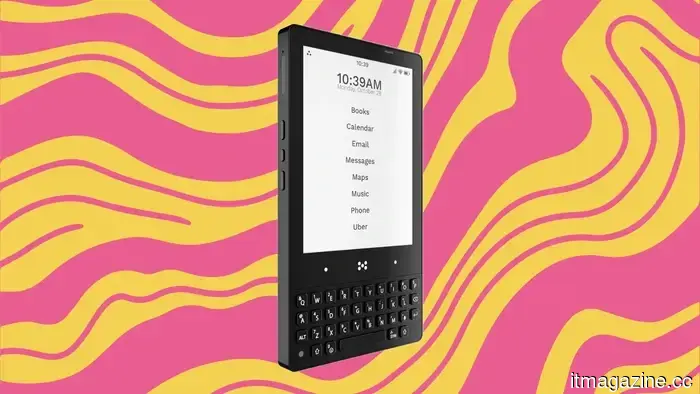
The original Minimal Phone was effective in part because its limitations were non-negotiable. Minimal marketed the E-paper display as a means to minimize distractions while still allowing access to Android apps. You could still download YouTube or Instagram, but using those on E-paper was hardly conducive to relaxation. Engaging in endless scrolling required a certain level of commitment.
The Minimal Phone The Minimal Company
I can appreciate a phone that sometimes makes me reconsider reaching for it due to boredom. Some users expressed similar sentiments, claiming that the E-paper experience distinguished the Minimal Phone from other Android devices equipped with a keyboard.
The Phone 2 complicates that distinction. A quicker and smoother experience resolves genuine frustrations, which is typically what I seek in a new phone. However, it also eliminates one of the original model's most effective strategies for encouraging me to set the device aside.
The Minimal Company
There are valid reasons for the change.
Minimal had practical motivations for departing from E-paper as well. One of its developers noted that locating a suitable display in the correct size and making a significant improvement over the first model would entail expensive research and development.
I also recognize why some users would welcome the shift. The charm of intentional inconvenience can wear thin when it obstructs essential tasks. Over time, the phone transitions from fostering healthier habits to becoming a source of frustration. Other users view that annoyance as part of the value they initially paid for.
The Minimal Company
I find myself uncomfortably positioned between those viewpoints. I don’t want my phone luring me into an hour-long scroll, but I also don’t want retrieving a boarding pass to feel like a test of my character.
Can software substitute for an inconvenient screen?
The Phone 2 now relies on software to perform many of the functions that E-paper previously managed by default. Minimal still aims for the experience to be calmer and more purposeful, with features like Focus Hours guiding how the device is utilized, despite the hardware becoming significantly easier to handle.
The Minimal Company
This is where my conviction starts to waver. An E-paper display doesn’t consider my level of self-discipline on a given afternoon. If Instagram appears unappealing on it, it simply looks unappealing. Restraint driven by software demands more cooperation from me than a display that inherently makes distractions less attractive.
Perhaps that’s the dilemma. People still expect a high-end phone to respond swiftly and manage essential functions, and it's difficult to fault anyone for wanting that. But Minimal could continue to enhance the Phone 2 until there’s hardly anything in the hardware preventing me from using it like every other smartphone.
The Minimal Phone 2 might ultimately be the more practical product due to these compromises. However, one must question whether “Minimal” still accurately represents the phone, or if it merely describes the narrative you tell yourself while carrying yet another nearly-smartphone in disguise.
Altri articoli
 The minimalist phone is gradually evolving back into a smartphone.
The Minimal Phone 2 addresses several of the compromises that made the original challenging to use. However, these enhancements also bring up an uncomfortable question regarding what defined its minimalism in the beginning.
The minimalist phone is gradually evolving back into a smartphone.
The Minimal Phone 2 addresses several of the compromises that made the original challenging to use. However, these enhancements also bring up an uncomfortable question regarding what defined its minimalism in the beginning.
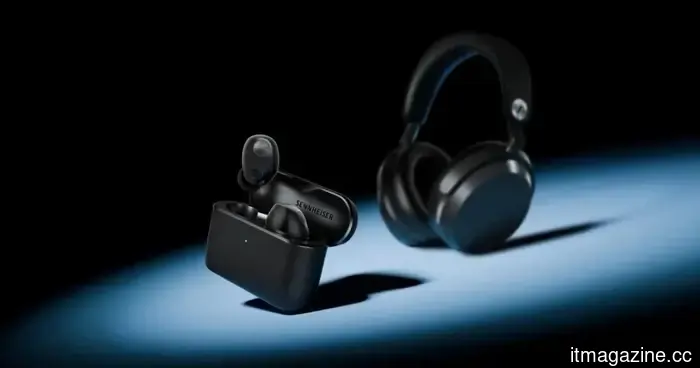 Sennheiser has just released earbuds that you won't need to discard when the battery runs out.
Sennheiser's latest Momentum True Wireless 5 earbuds offer premium sound quality, Dolby Atmos support, and a battery that users can replace on their own.
Sennheiser has just released earbuds that you won't need to discard when the battery runs out.
Sennheiser's latest Momentum True Wireless 5 earbuds offer premium sound quality, Dolby Atmos support, and a battery that users can replace on their own.
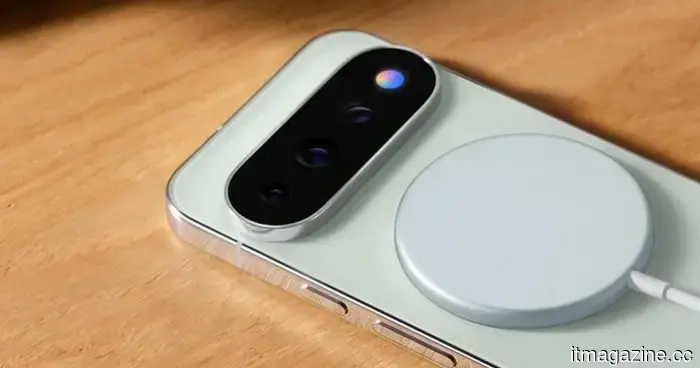 Google overlooked the potential of HiLight on the Pixel 11 Pro, but an application has just revealed its capabilities.
Google restricted the HiLight feature to a limited number of activities. A tech creator recently developed an app that enables its complete functionality and provides per-app controls for Pixel 11 Pro devices.
Google overlooked the potential of HiLight on the Pixel 11 Pro, but an application has just revealed its capabilities.
Google restricted the HiLight feature to a limited number of activities. A tech creator recently developed an app that enables its complete functionality and provides per-app controls for Pixel 11 Pro devices.
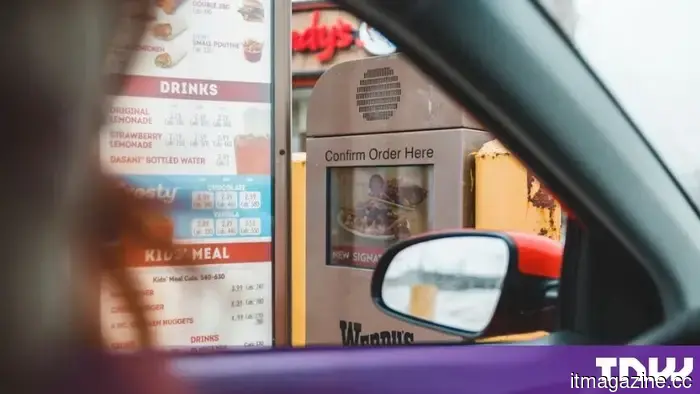 Taco Bell's expansion of its voice AI indicates that the drive-thru has reached a new level.
Taco Bell has implemented voice AI in over 890 restaurants across the U.S. Independent evaluations indicate that employee intervention rates vary between 3% and 33% among different brands, highlighting the significance of deployment maturity in drive-thru AI systems.
Taco Bell's expansion of its voice AI indicates that the drive-thru has reached a new level.
Taco Bell has implemented voice AI in over 890 restaurants across the U.S. Independent evaluations indicate that employee intervention rates vary between 3% and 33% among different brands, highlighting the significance of deployment maturity in drive-thru AI systems.
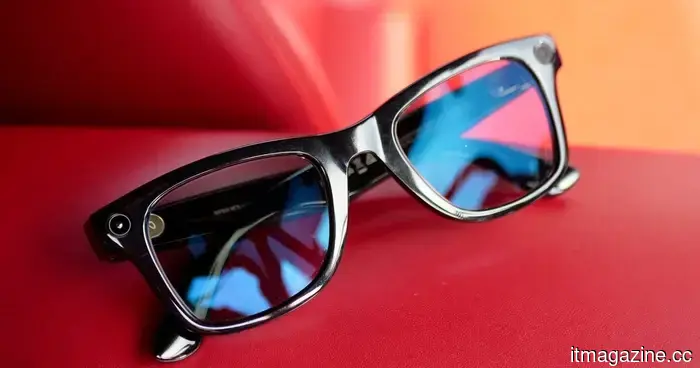 Meta's smart glasses are now being utilized by school bullies.
Teenagers are utilizing Ray-Ban Meta smart glasses to covertly record their classmates and teachers in school, with a significant amount of the harassment directed towards girls. A lot of the footage remained online until Futurism reached out to Meta and TikTok directly.
Meta's smart glasses are now being utilized by school bullies.
Teenagers are utilizing Ray-Ban Meta smart glasses to covertly record their classmates and teachers in school, with a significant amount of the harassment directed towards girls. A lot of the footage remained online until Futurism reached out to Meta and TikTok directly.
 Pew reports that 10% of the internet currently displays indications of having been created by AI.
Pew identified significant evidence of AI authorship in approximately 10% of a random selection of webpages, with the figure exceeding one-third for pages published after the launch of ChatGPT.
Pew reports that 10% of the internet currently displays indications of having been created by AI.
Pew identified significant evidence of AI authorship in approximately 10% of a random selection of webpages, with the figure exceeding one-third for pages published after the launch of ChatGPT.
The minimalist phone is gradually reverting to being a smartphone.
The Minimal Phone 2 addresses numerous compromises that rendered the original challenging to use. However, these enhancements bring up an uncomfortable question regarding what constituted its minimalism initially.