

The majority of Americans under 30 currently feel more concern than enthusiasm regarding AI.
According to Pew, 55% of Americans under 30 are now more concerned than excited about AI, marking the first time since the survey began in 2021 when a majority expressed this sentiment. Additionally, 73% of this group anticipate a reduction in job opportunities. A survey by the European Commission revealed that fears of job displacement are most prominent among younger, lower-income, and less-educated workers.
Young Americans have shifted their perspective on AI. For the first time in the Pew surveys conducted since 2021, a majority—55%—now express more concern than excitement about AI advancements.
Job displacement fears have risen even more sharply, with nearly 73% of this demographic believing AI will result in fewer jobs over the next 20 years, an increase from 61% two years prior. Only 5% of Americans believe AI will create more job opportunities.
This change in outlook is particularly significant, as this age group was once the most enthusiastic about the technology and has now turned into one of the most skeptical, with overall concern rising from 37% in 2021 to 52%.
In Europe, the situation is similarly anxious. A European Commission survey conducted this spring across 18 member states found that younger, lower-income, and less-educated respondents are particularly fearful of job losses due to AI.
Interestingly, these same demographics are also the most frequent users of AI technology. Students reported saving the most time from AI use, averaging nine hours per month, and about half are already using chatbots for personal interactions.
While AI adoption in the EU is widespread, its usage at work remains limited. Approximately 54% of EU respondents utilize some form of AI, but only about 27% of workers use it as part of their job responsibilities.
The hiring trends are beginning to align with these sentiments. A Harvard study indicated that startups built around AI tend to hire fewer junior positions and favor experienced workers, supporting the concerns of those in their twenties.
Pew's data suggests a similar discrepancy; individuals who are already established in their careers have become more optimistic about AI, reinforcing the idea that experience is rewarded rather than replaced by the technology.
The pressure point appears to be at the entry-level positions. Internships and junior roles have traditionally been the starting points for many careers, and these are now facing the most pressure.
The causal relationship remains uncertain. The rise of AI coincided with a weaker job market, and at least one study suggests that poor hiring trends are having a more detrimental impact on young workers than AI itself.
What is clear, however, is the prevailing sentiment, which has turned into a business concern. The individuals that companies are eager to recruit for AI-centric positions are the very ones who are most likely to believe that these roles may disappear due to technological advancements.
Other articles
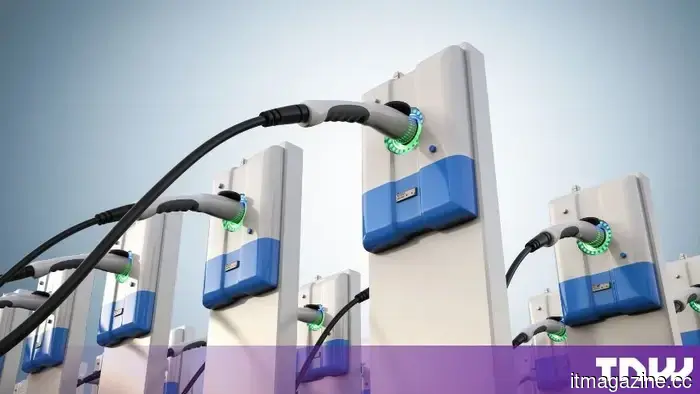 ADAC evaluated five electric vehicles for charging losses, revealing that one of them squandered a quarter of its energy.
ADAC assessed the amount of electricity that fails to reach an EV battery. When using a household socket, the Mercedes CLA experienced a loss of 24.2%, while with an 11 kW wallbox, the loss was 6.9%.
ADAC evaluated five electric vehicles for charging losses, revealing that one of them squandered a quarter of its energy.
ADAC assessed the amount of electricity that fails to reach an EV battery. When using a household socket, the Mercedes CLA experienced a loss of 24.2%, while with an 11 kW wallbox, the loss was 6.9%.
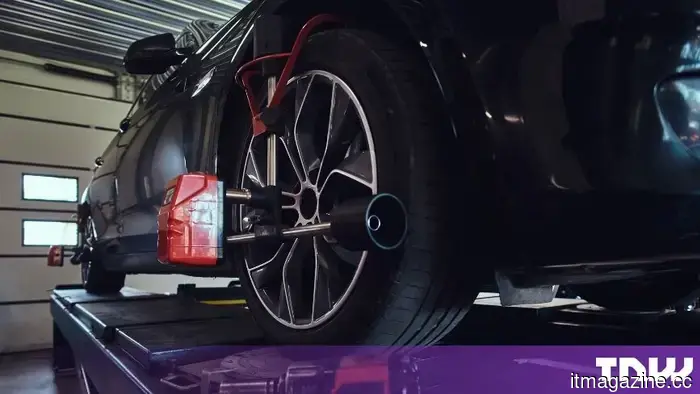 California's new tire regulation is more stringent than Europe's, which has had a standard in place since 2012.
California has enacted the first efficiency standard for replacement tires in the United States. Since 2012, Europe has implemented a standard for rolling resistance, although it is a less stringent one.
California's new tire regulation is more stringent than Europe's, which has had a standard in place since 2012.
California has enacted the first efficiency standard for replacement tires in the United States. Since 2012, Europe has implemented a standard for rolling resistance, although it is a less stringent one.
 Nebius is seeking to raise $4.5 billion through convertible bonds to construct AI data centers.
Nebius is seeking to raise $4.5 billion through convertible bonds to finance AI data centers, marking its second sale of this kind in 2026. According to Bloomberg, the offering will be priced on Wednesday.
Nebius is seeking to raise $4.5 billion through convertible bonds to construct AI data centers.
Nebius is seeking to raise $4.5 billion through convertible bonds to finance AI data centers, marking its second sale of this kind in 2026. According to Bloomberg, the offering will be priced on Wednesday.
 Amazon's fleet of drones is increasing six times in the United States and is limited to 100 deliveries per day in the UK.
By the end of the year, Amazon will conduct drone deliveries in almost 500 cities across the US. However, its sole location in the UK is under investigation by the AAIB and is due for a CAA renewal in December.
Amazon's fleet of drones is increasing six times in the United States and is limited to 100 deliveries per day in the UK.
By the end of the year, Amazon will conduct drone deliveries in almost 500 cities across the US. However, its sole location in the UK is under investigation by the AAIB and is due for a CAA renewal in December.
 Anthropic reports that Claude has created functional protein binders and outperformed human experts in certain cases.
Anthropic reports that Claude created protein binders for 14 out of 15 targets and conducted chemical analysis in just a few minutes. The findings are self-reported.
Anthropic reports that Claude has created functional protein binders and outperformed human experts in certain cases.
Anthropic reports that Claude created protein binders for 14 out of 15 targets and conducted chemical analysis in just a few minutes. The findings are self-reported.
 Temporal is in discussions to secure $500 million at a valuation of $12 billion, which is double its valuation from February.
According to Bloomberg, Temporal is in discussions to secure around $500 million at a valuation of $12 billion, which is twice the value of the reliability software startup in February.
Temporal is in discussions to secure $500 million at a valuation of $12 billion, which is double its valuation from February.
According to Bloomberg, Temporal is in discussions to secure around $500 million at a valuation of $12 billion, which is twice the value of the reliability software startup in February.
The majority of Americans under 30 currently feel more concern than enthusiasm regarding AI.
Pew reports that 55% of Americans under 30 are currently more worried than enthusiastic about AI. The European Commission has observed similar apprehensions among younger employees.