
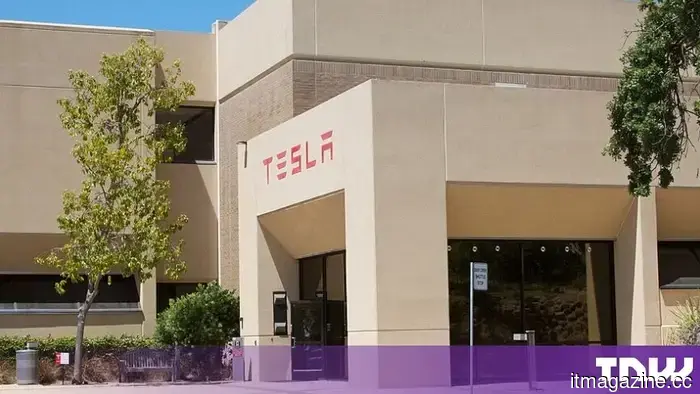
Tesla requested 5,000 robotaxis from Las Vegas, but Nevada approved only 10.
Tesla requested permission from Nevada regulators to operate up to 5,000 robotaxis in Las Vegas but was only granted a maximum of 10. This limitation was established by the Nevada Transportation Authority in an interim order dated July 27, which significantly falls short of the company's request.
The discrepancy is evident in the submitted documents. Tesla Robotaxi made its application on June 5, seeking a permit for an autonomous vehicle network in Clark County, specifying, “no more than five thousand (5,000) vehicles for the first twelve (12) months,” while mentioning both Harry Reid International Airport and Henderson Executive Airport. The resulting order, however, limited the fleet to “a maximum of ten (10) fully autonomous vehicles” and excluded the airports.
The permit has strict conditions. All trips must begin and end within Clark County, and operations are confined to the Las Vegas Strip corridor, within a designated area that the Authority must approve. The order prohibits passenger trips on roads with speed limits above 45 miles per hour and restricts pick-ups at or within a quarter-mile of Harry Reid International Airport, requiring prior authorization from the airport operator and other officials.
Conditions outlined in the order extend beyond the fleet size. Each vehicle must be labeled “Robotaxi,” and riders need to be informed before each trip that the vehicle is driverless. Operations must include “appropriate human supervision” as per Society of Automotive Engineers standards. Furthermore, Tesla must report any accidents, security incidents, or system failures to the Authority within five business days, which also includes data interruptions and situations where a robotaxi becomes disabled on a Nevada roadway.
This supervision requirement represents a retreat from Tesla's operations in other locations. As reported by Fortune, the company has been providing rides in certain areas of Austin since January without a safety monitor present. The language in Nevada suggests that regulators are not yet ready to permit such practices. Tesla also operates robotaxi services in Dallas, Houston, and the San Francisco Bay Area and recently began offering rides in its specially designed Cybercab.
Neither Tesla nor the Authority provided comments when approached by Fortune. Although Clark County does not issue the permit, it is responsible for managing the impacts, yet it stated it was left without a formal role. The county expressed concern about the implications for its fire services, business licensing, and the airport, with a spokesperson noting, “While Clark County does not authorize this type of transportation on our roadways, we are directly impacted by the operations of the robotaxis.”
Regarding the reason for the cap of 10 vehicles, Tesla is not the first to navigate this process. Its terms appear modest compared to a competitor already in operation. Amazon's Zoox has held permits in Nevada since 2025, initially starting with a cap of 65 vehicles for free rides, which the Authority later increased to 100 vehicles allowing paid fares a couple of weeks before Tesla's approval.
Zoox began charging on August 10. Federal regulators granted it a two-year exemption to cover up to 2,500 vehicles nationwide, as its robotaxi lacks a steering wheel and pedals. In Las Vegas, Zoox claims its fleet has accumulated over three million miles and provided nearly a million free rides, currently operating around 50 vehicles on the Strip.
This successful history likely influenced the limited starting number for Tesla, as the Authority appears to be adopting Zoox's gradual rollout strategy, preferring to scale up permits over time rather than authorizing a substantial fleet all at once. Other regulators have shown caution as well, with New Jersey lawmakers considering legislation that could potentially keep Tesla out due to its choice of sensors.
In preparation for the permit, Tesla has been investing around $3.1 million to outfit a 37,000-square-foot facility in the southwestern part of the valley, as reported by the Las Vegas Review-Journal. This initiative will include adding superchargers and vehicle lifts, and the company has been hiring for roles related to the Las Vegas robotaxi service, including night-shift supervisors.
Tesla's local presence is expanding, holding two business licenses in Clark County—one tied to the new building for vehicle washing and detailing and another on Fremont Street for administrative purposes, as reported by the EV outlet Tesla North. Additionally, the company has a separate state approval obtained last year, which focused on testing on public roads rather than paid rides.
Tesla's setup differs from its competitors, such as Zoox and Motional, which lease or partner for their vehicles. Tesla, on the other hand, designs the vehicles, develops the self-driving software, and currently holds the commercial permit themselves. In an earnings call earlier this year, CEO Elon Musk projected that robotaxis and self-driving cars would be operational in approximately a dozen states by the end of the year, without specifying which ones.
Musk has characterized the expansion as cautious, stating, “We’re taking a very measured approach to the rollout here,” and added that the company has recorded no injuries or fatalities with its unsupervised driving
Other articles
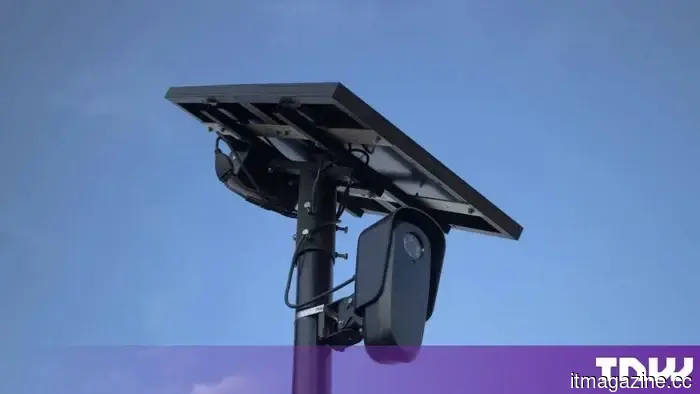 Flock developed an AI tool that allows law enforcement to identify individuals based on their driving behavior.
A WIRED investigation reveals that Flock's AI tool OS Investigate enables law enforcement to track individuals based on their movements without requiring a license plate, name, or any criminal activity.
Flock developed an AI tool that allows law enforcement to identify individuals based on their driving behavior.
A WIRED investigation reveals that Flock's AI tool OS Investigate enables law enforcement to track individuals based on their movements without requiring a license plate, name, or any criminal activity.
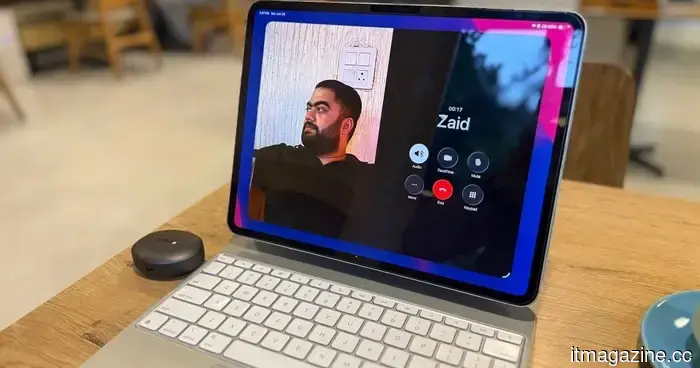 iPad photographers might receive a camera button they never anticipated.
A recently awarded Apple patent illustrates tablets featuring a pressure-sensitive control similar to the iPhone’s Camera Control, which is capable of recognizing taps, swipes, presses, and haptic feedback.
iPad photographers might receive a camera button they never anticipated.
A recently awarded Apple patent illustrates tablets featuring a pressure-sensitive control similar to the iPhone’s Camera Control, which is capable of recognizing taps, swipes, presses, and haptic feedback.
 Google is offering college students a complimentary year of AI Pro along with a variety of study tools.
Google is offering qualifying US college students a complimentary year of AI Pro and introducing new study tools on Search and Gemini for the back-to-school season.
Google is offering college students a complimentary year of AI Pro along with a variety of study tools.
Google is offering qualifying US college students a complimentary year of AI Pro and introducing new study tools on Search and Gemini for the back-to-school season.
 A watchdog organization reports that Meta is compensating influencers to oppose teen bans globally.
A report from the Tech Transparency Project indicates that Meta compensates influencers globally to promote the idea that its Teen Accounts render social media restrictions for teenagers unnecessary.
A watchdog organization reports that Meta is compensating influencers to oppose teen bans globally.
A report from the Tech Transparency Project indicates that Meta compensates influencers globally to promote the idea that its Teen Accounts render social media restrictions for teenagers unnecessary.
 Uber launches its initial European autonomous vehicle rides in Zagreb, accompanied by a safety driver.
Uber has introduced autonomous rides in Europe for the first time in Zagreb, utilizing Pony.ai and Verne. A safety operator remains present in the vehicle.
Uber launches its initial European autonomous vehicle rides in Zagreb, accompanied by a safety driver.
Uber has introduced autonomous rides in Europe for the first time in Zagreb, utilizing Pony.ai and Verne. A safety operator remains present in the vehicle.
 The most recent update for Windows 11 has turned into a risk for gamers.
The Windows 11 update KB5121003 is reportedly causing crashes in The Finals, leading affected players to consider the trade-off between stability and security, despite Microsoft indicating that there are no known issues with the update.
The most recent update for Windows 11 has turned into a risk for gamers.
The Windows 11 update KB5121003 is reportedly causing crashes in The Finals, leading affected players to consider the trade-off between stability and security, despite Microsoft indicating that there are no known issues with the update.
Tesla requested 5,000 robotaxis from Las Vegas, but Nevada approved only 10.
Tesla requested permission from Nevada for as many as 5,000 robotaxis in Las Vegas. The regulatory body approved only 10, set a maximum speed limit of 45 mph, and prohibited pickups at the airport.