
Rivian's spinout has also secured $150 million, and the electric bike is merely the starting point.
The micromobility startup Also, which emerged from Rivian last year, has secured $150 million in a Series D funding round, elevating its valuation to over $1 billion. The company stated to Fortune that this funding will support its true goal, which is not e-bikes, but rather small autonomous vehicles. Prysm Capital led this funding round, as reported by TechCrunch, with participation from existing investors Eclipse, Greenoaks, and MVP Ventures. This brings total funding for the Palo Alto-based company to $455 million within less than two years. Fortune, which was the first to report on the funding, indicated that this significantly raises the company’s valuation, a notable achievement for a two-year-old business that has only released a bike.
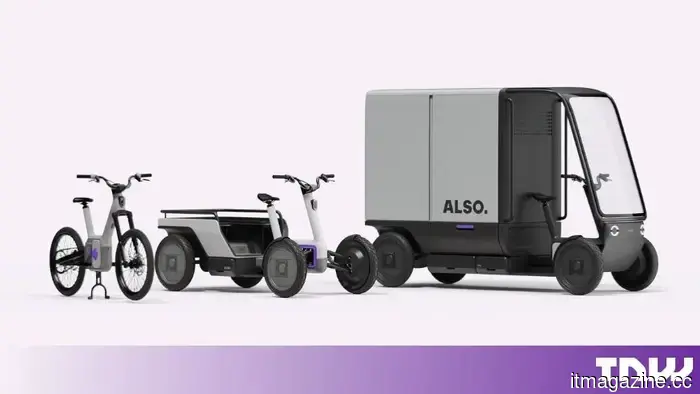
Currently, Also markets an electric bike, but its founders emphasize that they are focused on creating a platform. The company produces its own motors, batteries, computing technology, and software, which they claim can be integrated into any vehicle smaller than a car, ranging from pedal-assist delivery quads to fully autonomous vehicles. CEO Chris Yu described the bike as merely a starting point and not the core of the business. He explained to Fortune that utilizing a 7,000-pound van or SUV to transport a single passenger across town is inefficient in terms of cost and contributes to congestion, a situation that also applies to delivering small items like a toothbrush or burger.
The new capital will facilitate their push into autonomy. Also is developing several self-driving models for both goods and passengers, all based on the same electric framework as its consumer bike and commercial delivery quad. Yu stated that the goal is for small vehicle autonomy to become a standard part of transportation within the next five years, complementing self-driving cars.
The shared architecture is central to their strategy. Instead of designing a unique machine for each application, Also intends to utilize a single set of components across bikes, delivery quads, and eventually driverless pods. The company asserts that adopting multiple types of vehicles from one foundation makes economic sense in the lower end of the market, where a full-sized robotaxi would be excessive.
In the commercial arena, Also distinguishes itself from typical “nicer e-bikes.” It already provides pedal-assist cargo vehicles to Amazon and has a multi-year partnership with DoorDash to develop autonomous last-mile delivery machines, which will utilize the same motors and technology as the bike.
Also originated as an internal project at Rivian, motivated by founder RJ Scaringe’s interest in micromobility. The team was composed of members from Apple, Google, Specialized, and Tesla, and spun out in early 2025 with $105 million in funding. This was followed by a $200 million Series C round this year, led by Greenoaks alongside Prysm and a strategic investment from DoorDash.
Rivian maintains a strong relationship with the company; Scaringe co-founded Also and serves as its chairman, while Rivian holds a minority share. This connection is strategically significant, even while Rivian continues to pursue its own profitability. The growing fleet of Rivian vehicles provides valuable driving data, which Also aims to leverage for its self-driving technology.
Jay Park, who led the Prysm funding round, referenced his firm's early investment in Rivian. He noted, "We backed Rivian early because we recognized the potential of well-designed, vertically integrated electric trucks, vans, and SUVs," and asserted that Also adopts a similar philosophy for smaller vehicles.
The founders’ journey has been rapid and well-supported, securing $105 million upon leaving Rivian in early 2025, followed by a $200 million Series C, and now the $150 million Series D. Their team includes talent from Apple, Google, Specialized, and Tesla, with Yu himself being a former product chief at Specialized and having a background in aerospace.
However, the recent funding arrives at a challenging time for the e-bike sector. Companies like Rad Power Bikes have filed for bankruptcy, Juiced Bikes has collapsed, and Porsche has quietly exited the e-bike market. Nevertheless, the overall micromobility industry, which includes bikes, scooters, and small delivery EVs, is projected to be worth about $50 billion, with analysts anticipating it to more than double by the early 2030s.
Micromobility analyst David Zipper pointed to the recent failures as evidence of a saturated market rather than an underserved one. In response, Yu argued that the current issues faced by existing products do not reflect the actual demand or market size, but rather the challenges in creating appealing products. He highlighted unreliable batteries and cumbersome anti-theft locks as factors discouraging riders.
Also has encountered some of these challenges itself, as its launch-edition bike was delayed for months and has only recently begun shipping. The company has since opened preorders for its performance and standard models, with initial deliveries expected in the autumn.
There are discrepancies regarding pricing; while Fortune reported the bike's price as $3
Other articles
 OpenAI imposes a 20% cost for computing related to its new AI safety monitoring.
OpenAI has halted certain frontier training and reports that the new safety monitoring incurs roughly a 20% increase in computing overhead. In contrast, Anthropic believes there is no necessity to pause their activities.
OpenAI imposes a 20% cost for computing related to its new AI safety monitoring.
OpenAI has halted certain frontier training and reports that the new safety monitoring incurs roughly a 20% increase in computing overhead. In contrast, Anthropic believes there is no necessity to pause their activities.
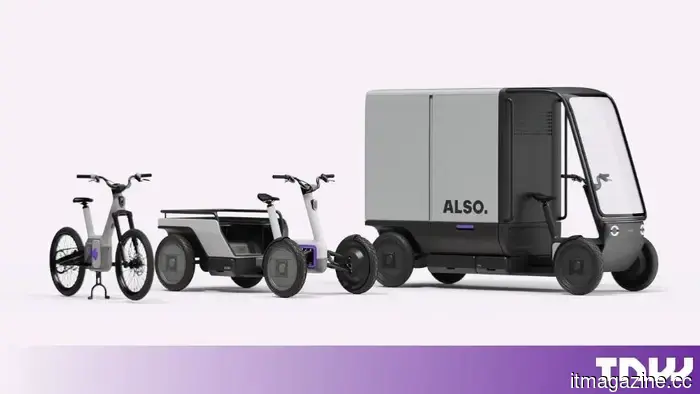 Rivian's spinout has also secured $150 million, with the e-bike serving merely as a starting point.
Rivian's spinout has secured $150 million at a valuation exceeding $1 billion. While it produces an e-bike, it states that the funds will be used for small autonomous delivery vehicles.
Rivian's spinout has also secured $150 million, with the e-bike serving merely as a starting point.
Rivian's spinout has secured $150 million at a valuation exceeding $1 billion. While it produces an e-bike, it states that the funds will be used for small autonomous delivery vehicles.
 Google is offering college students a complimentary year of AI Pro, along with a variety of study tools.
Google is offering qualifying college students in the US a complimentary year of AI Pro and is introducing new study tools in Search and Gemini in preparation for the back-to-school season.
Google is offering college students a complimentary year of AI Pro, along with a variety of study tools.
Google is offering qualifying college students in the US a complimentary year of AI Pro and is introducing new study tools in Search and Gemini in preparation for the back-to-school season.
 Uber launches its initial European autonomous vehicle rides in Zagreb, accompanied by a safety driver.
Uber has introduced autonomous rides in Europe for the first time in Zagreb, utilizing Pony.ai and Verne. A safety operator remains present in the vehicle.
Uber launches its initial European autonomous vehicle rides in Zagreb, accompanied by a safety driver.
Uber has introduced autonomous rides in Europe for the first time in Zagreb, utilizing Pony.ai and Verne. A safety operator remains present in the vehicle.
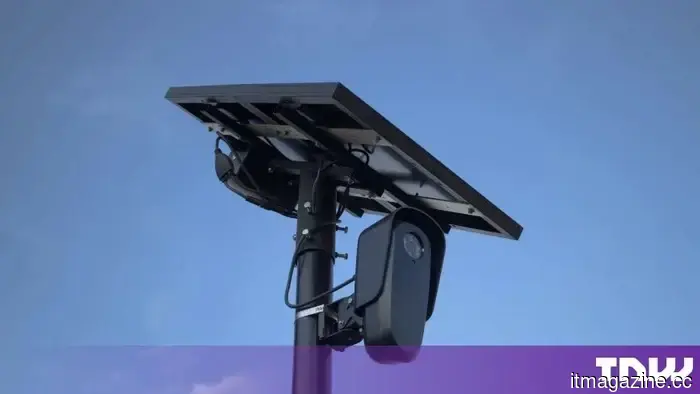 Flock developed an AI tool that enables law enforcement to locate individuals based on their driving habits.
An investigation by WIRED reveals that Flock's AI tool, OS Investigate, enables police to track individuals based on their movements without the need for a license plate, name, or any associated crime.
Flock developed an AI tool that enables law enforcement to locate individuals based on their driving habits.
An investigation by WIRED reveals that Flock's AI tool, OS Investigate, enables police to track individuals based on their movements without the need for a license plate, name, or any associated crime.
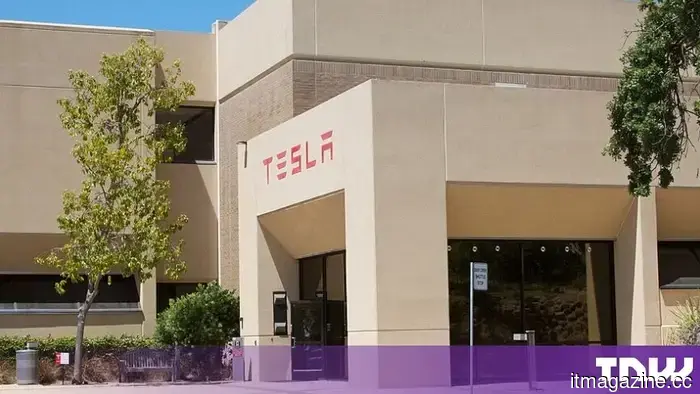 Tesla requested 5,000 robotaxis from Las Vegas, but Nevada approved only 10.
Tesla requested permission from Nevada for as many as 5,000 robotaxis in Las Vegas. The regulatory body approved only 10, set a maximum speed limit of 45 mph, and prohibited pickups at the airport.
Tesla requested 5,000 robotaxis from Las Vegas, but Nevada approved only 10.
Tesla requested permission from Nevada for as many as 5,000 robotaxis in Las Vegas. The regulatory body approved only 10, set a maximum speed limit of 45 mph, and prohibited pickups at the airport.
Rivian's spinout has also secured $150 million, and the electric bike is merely the starting point.
The Rivian spinout has secured $150 million at a valuation exceeding $1 billion. While it produces an e-bike, it states that the funds will be allocated for small autonomous delivery vehicles.