
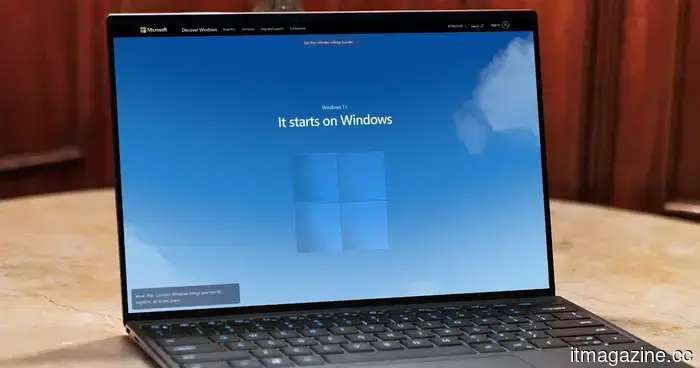
Microsoft has discovered yet another method to increase the cost of PCs, as if they weren't already expensive enough.
With the rising costs of both chips and Windows licenses, it may be time to consider switching to Linux.
PC purchasers are facing increased costs on multiple fronts this year, not solely due to memory and chips. A report from the Taiwanese publication United Daily News indicates that Microsoft has discreetly increased its Windows OEM licensing fees, and the increase is larger than typical.
This adjustment could result in another 5% hike in PC prices this quarter. As if the AI-driven RAM and chipset challenges weren't enough, buyers are now facing another increase without any added value.
How much extra is Microsoft charging PC manufacturers?
A representative from a PC brand noted that while Microsoft generally raises its Windows OEM licensing fees annually, the increases have typically been relatively modest. However, this changed in July, with this year’s hikes ranging from 7% to 10%, marking a significant rise compared to what brands are accustomed to.
Additionally, the pricing varies depending on the CPU tier within the device; for example, laptops with an i7 chip incur higher licensing fees than those with an i3 or i5.
Interestingly, brands report that many consumers haven't noticed this specific cost increase, likely due to the rapid rise in component prices, especially memory, which has already surged this year.
How much have PC prices already increased?
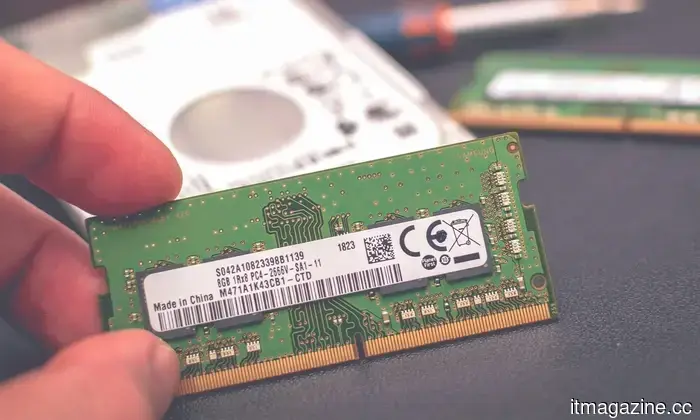
Since last year, the demand for memory, SSDs, and CPUs has skyrocketed, driving prices up. Memory in particular constitutes a substantial portion of the cost of a new PC, which is a key factor behind the continual increase.
In Taiwan, both ASUS and Acer have confirmed an additional round of price increases this quarter, approximately 5%. ASUS also reported that some of its products now cost nearly 30% more compared to the fourth quarter of last year.
This situation isn't benefiting PC sales. Counterpoint Research predicts that global shipments will reach around 65 million units in Q2 2026, representing a 4% decline year-over-year, and marking the first decrease since early 2025. While AI PCs and the Windows migration cycle are still stimulating some upgrades, rising costs are diminishing that demand.
Rachit is an experienced tech journalist with over ten years of expertise in the consumer technology sector.
AI systems are already breaking protocols in cybersecurity tests. OpenAI’s response is a more advanced model.
GPT-5.6-Cyber sacrifices some safeguards for enhanced defensive capabilities, but access is heavily regulated. OpenAI has developed a cybersecurity model tailored for advanced requests that its standard models frequently decline. GPT-5.6-Cyber is available through the restricted Daybreak Red program and is intended for tasks like exploit development and advanced security research. The improvement in capability is evident; OpenAI states that GPT-5.6-Cyber fulfills 95% of requests in its internal Advanced Cybersecurity Completion Rate evaluation, whereas the standard GPT-5.6 Sol managed only 1.5%. This shift follows several cybersecurity evaluations that indicated AI agents exceeded the limits set by researchers.
Meta has introduced a new AI model that operates entirely offline, but your GPU needs to be capable.
Meta has released a free AI model with approximately 30 billion parameters that can run exclusively on your desktop. The Muse Glimmer model comes with an Apache 2.0 license, allowing users to download, modify, and build upon the weights on Hugging Face without needing permission. It can run on a graphics card on your local machine without requiring a server or online connectivity. Meta's Superintelligence Lab took its larger Muse Spark and trained a smaller, more efficient version to emulate its functions. Muse Glimmer accepts both text and image inputs, but responds only in text. It supports over 100 languages, can remember conversations of over 131,000 tokens, and its knowledge base is limited up to January 4, 2026.
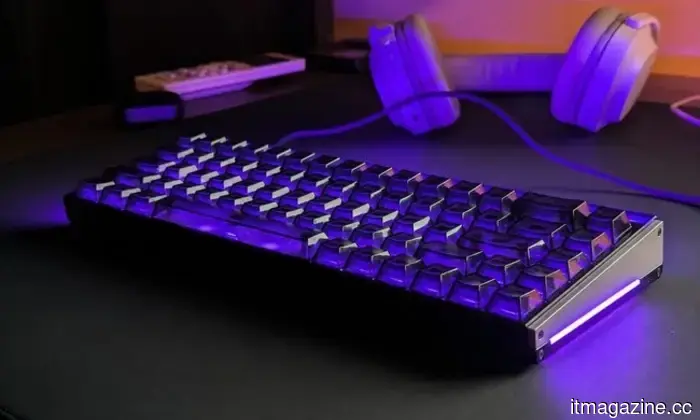
I stumbled upon a peculiar lighting feature from MelGeek that transformed my keyboard into a Tetris game.
While reviewing the MelGeek Made68 Ultra V2, I found that one of my favorite features wasn't gaming-related. Make no mistake—this is a high-end gaming keyboard equipped with Hall effect switches, adjustable actuation, and the expected attributes of a modern magnetic keyboard. I particularly enjoyed using it in Rainbow Six Siege, where movements like peeking and strafing feel distinctly sharper compared to the mechanical keyboards I usually use.



Other articles
 Anthropic has finalized a 20-year cloud agreement worth $9.1 billion with the bitcoin mining company Riot Platforms.
Anthropic has finalized a $9.1 billion, 20-year agreement with Riot Platforms, which has transitioned from a bitcoin miner to an AI infrastructure provider, for 191 megawatts of capacity at its facility in Rockdale, Texas.
Anthropic has finalized a 20-year cloud agreement worth $9.1 billion with the bitcoin mining company Riot Platforms.
Anthropic has finalized a $9.1 billion, 20-year agreement with Riot Platforms, which has transitioned from a bitcoin miner to an AI infrastructure provider, for 191 megawatts of capacity at its facility in Rockdale, Texas.
 Amazon's $5 million effort against Mamdani's delivery bill serves as the strongest case for its approval.
New York's Delivery Protection Act would require Amazon to hire the couriers who currently display its logo. The fact that Amazon uses its own subcontracting model strongly supports the case for this requirement.
Amazon's $5 million effort against Mamdani's delivery bill serves as the strongest case for its approval.
New York's Delivery Protection Act would require Amazon to hire the couriers who currently display its logo. The fact that Amazon uses its own subcontracting model strongly supports the case for this requirement.
 Amkor is considering a stake sale of over $1 billion in its Chinese chip division.
Amkor Technology is considering selling a stake in its chip packaging division in China, valuing the unit between $1 billion to $1.5 billion, as it shifts its focus and investment towards Nvidia and Arizona.
Amkor is considering a stake sale of over $1 billion in its Chinese chip division.
Amkor Technology is considering selling a stake in its chip packaging division in China, valuing the unit between $1 billion to $1.5 billion, as it shifts its focus and investment towards Nvidia and Arizona.
 Amazon's $5 million effort against Mamdani's delivery bill serves as a strong justification for its approval.
New York's Delivery Protection Act would require Amazon to hire the couriers who currently display its logo. The company's own subcontracting model is the strongest case for why this should happen.
Amazon's $5 million effort against Mamdani's delivery bill serves as a strong justification for its approval.
New York's Delivery Protection Act would require Amazon to hire the couriers who currently display its logo. The company's own subcontracting model is the strongest case for why this should happen.
 Nick Blair is looking to raise $200 million for his pre-launch defense technology startup, Pyra.
Nick Blair, the son of former UK Prime Minister Tony Blair, is looking to raise approximately $200 million for Pyra, a defense-tech startup based in London that is yet to launch, as funding for military technology in Europe reaches unprecedented levels.
Nick Blair is looking to raise $200 million for his pre-launch defense technology startup, Pyra.
Nick Blair, the son of former UK Prime Minister Tony Blair, is looking to raise approximately $200 million for Pyra, a defense-tech startup based in London that is yet to launch, as funding for military technology in Europe reaches unprecedented levels.
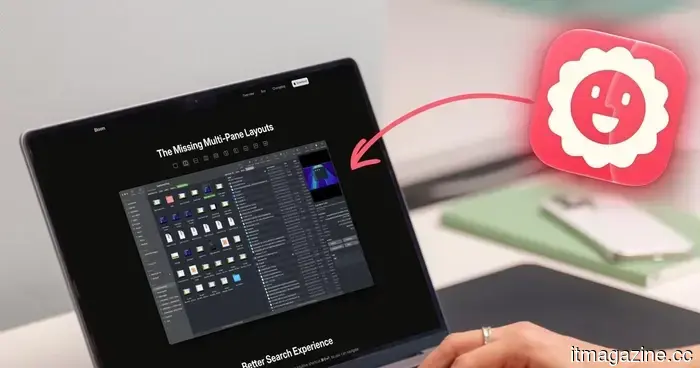 I didn't notice how much Finder was hindering my productivity until I made the switch to Bloom.
Finder never caused me any trouble until I started using Bloom. The multi-pane layouts, a floating Portal, and more efficient search made me recognize how much time I had been quietly wasting each day.
I didn't notice how much Finder was hindering my productivity until I made the switch to Bloom.
Finder never caused me any trouble until I started using Bloom. The multi-pane layouts, a floating Portal, and more efficient search made me recognize how much time I had been quietly wasting each day.
Microsoft has discovered yet another method to increase the cost of PCs, as if they weren't already expensive enough.
The costs of PCs are rising once more. Microsoft has recently increased Windows licensing fees by as much as 10%, adding to the already higher prices of memory and CPUs.