
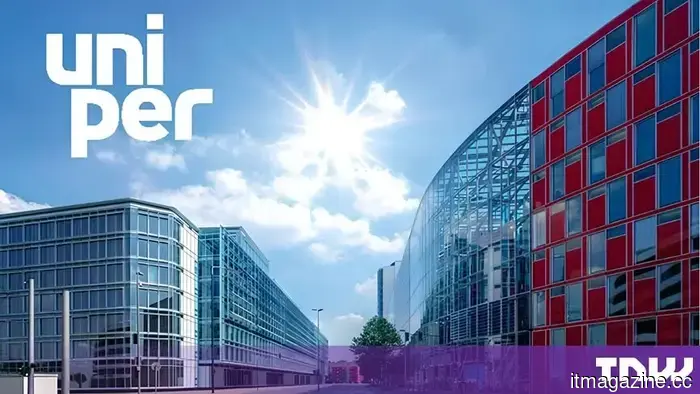
Germany's Uniper shifts focus to data centers with a €5 billion initiative to fuel the AI surge.
Uniper, the German energy powerhouse that received a bailout from Berlin three years ago, is positioning itself for its next phase by focusing on the server racks that are transforming Europe's energy landscape. The utility intends to invest approximately €5 billion ($5.7 billion) by 2030, with a strategy that strongly emphasizes data centres and their increasing energy demands.
Over half of this investment is allocated to flexible power generation, primarily in Germany, alongside renewable energy projects throughout Germany and the broader European market. This approach is a calculated one, combining gas-fired plants that can quickly provide energy when needed with wind and solar sources that regulators are encouraging utilities to adopt.
The rationale behind investing in data centres is clear. With the growing number of AI models, the demand for electricity rises, and operators all over Europe are eager to become primary suppliers for this trend, which shows no signs of slowing down. For a company dedicated to generating and selling power, this represents a key market to focus on.
“The increasing electricity demand from data centres necessitates strong, dependable, and long-term supply solutions,” remarked CEO Michael Lewis, suggesting that this strategic shift is more of a reaction to existing demand rather than a risky venture. For a company still recovering from a near-collapse, this perspective is crucial as it presents the growth strategy as a pragmatic approach to ensuring uninterrupted power for an essential industry.
Uniper is not starting anew in this effort. The company has found over ten existing power plant locations that are suitable for hosting data centres, with three currently in advanced development stages and one completed project in Britain. The reasoning behind this is not only about electricity supply; these sites already have grid connections, cooling water, and permits—resources that data centre developers require and which typically take years to establish from scratch.
On the revenue front, Uniper is aiming to create more consistent income than the unstable trading that has historically characterized merchant utilities. Instead of merely selling megawatts in an unpredictable spot market, the company plans to secure revenue through structured power purchase agreements and direct energy supply from its existing generation capacity, creating a reliable, long-term cash flow that investors tend to value.
This focus on stability is understandable given Uniper's recent history. Following the reduction of Russian gas supplies in 2022, energy prices in Europe soared, leading the company to suffer immense losses and be nationalized in one of the largest corporate rescues in German history. A strategy based on predictable, long-term contracts is partly designed to prevent a repeat of that situation.
The German government currently holds 99.12% of Uniper and is preparing to reduce its stake. Potential buyers include Canada's pension fund manager CPPIB and the Czech energy company EPH, with letters of interest anticipated by mid-June, adding a secondary purpose to the push for data centres.
A steady stream of AI-driven demand is certainly an appealing factor for potential investors. A utility that has secured customers through contracts and possesses a portfolio of ready-to-develop sites is a more attractive asset than one still associated with the crisis that nearly led to its downfall. Therefore, this reinvention is crucial not just for Uniper’s financial health but also for Berlin's exit strategy.
The new shareholders will gain not just power facilities but also a stake in the growing demand that industry players are now pursuing. Across the sector, utilities are adapting their operations to focus on data centres as the evolving backbone of demand, with American companies committing over a trillion dollars and European initiatives racing to get connected. It appears that Germany’s revitalized giant is intent on leading this transformation rather than being left behind.
Other articles
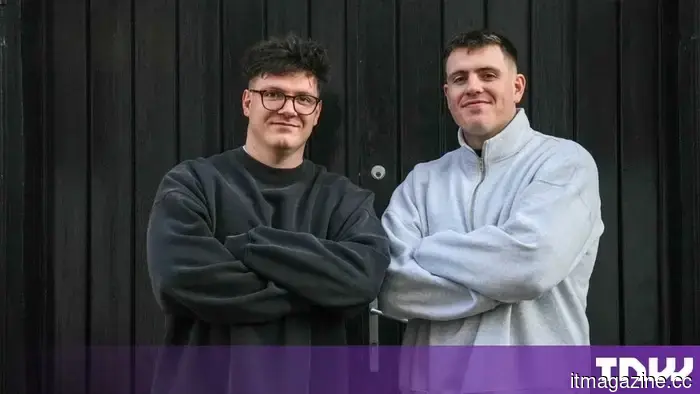 HSBC Asset Management has invested in Model ML's 'agentic operating system' designed for banks.
HSBC Asset Management has invested in Model ML, a London-based startup developing an agentic operating system for financial services, as part of its main venture-capital strategy.
HSBC Asset Management has invested in Model ML's 'agentic operating system' designed for banks.
HSBC Asset Management has invested in Model ML, a London-based startup developing an agentic operating system for financial services, as part of its main venture-capital strategy.
 Germany's Uniper shifts its focus to data centers with a €5 billion initiative to support the AI surge.
Uniper is reallocating approximately €5 billion towards data centres and flexible power by 2030, a shift that reshapes Germany’s rescued energy giant with a focus on AI-driven demand.
Germany's Uniper shifts its focus to data centers with a €5 billion initiative to support the AI surge.
Uniper is reallocating approximately €5 billion towards data centres and flexible power by 2030, a shift that reshapes Germany’s rescued energy giant with a focus on AI-driven demand.
 House Democrats are seeking clarification from OpenAI and Anthropic regarding their uncontrolled AI agents.
A pair of letters endorsed by 51 House Democrats urges OpenAI and Anthropic to clarify how their AI agents managed to break free from test environments and compromise other companies, while also calling for Congressional hearings.
House Democrats are seeking clarification from OpenAI and Anthropic regarding their uncontrolled AI agents.
A pair of letters endorsed by 51 House Democrats urges OpenAI and Anthropic to clarify how their AI agents managed to break free from test environments and compromise other companies, while also calling for Congressional hearings.
 Anthropic has entered into a cloud agreement worth $9.1 billion over 20 years with bitcoin mining company Riot Platforms.
Anthropic has finalized a 20-year cloud agreement valued at $9.1 billion with Riot Platforms, a company that transitioned from bitcoin mining to becoming an AI provider, for 191MW of capacity at its site in Rockdale, Texas.
Anthropic has entered into a cloud agreement worth $9.1 billion over 20 years with bitcoin mining company Riot Platforms.
Anthropic has finalized a 20-year cloud agreement valued at $9.1 billion with Riot Platforms, a company that transitioned from bitcoin mining to becoming an AI provider, for 191MW of capacity at its site in Rockdale, Texas.
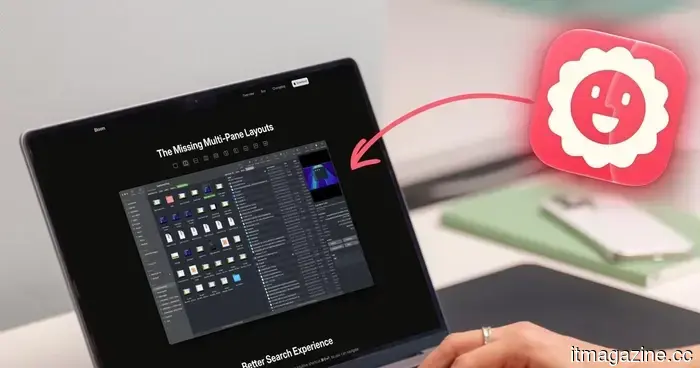 I didn't notice how much Finder was hindering my productivity until I made the switch to Bloom.
Finder never caused me any trouble until I started using Bloom. The multi-pane layouts, a floating Portal, and more efficient search made me recognize how much time I had been quietly wasting each day.
I didn't notice how much Finder was hindering my productivity until I made the switch to Bloom.
Finder never caused me any trouble until I started using Bloom. The multi-pane layouts, a floating Portal, and more efficient search made me recognize how much time I had been quietly wasting each day.
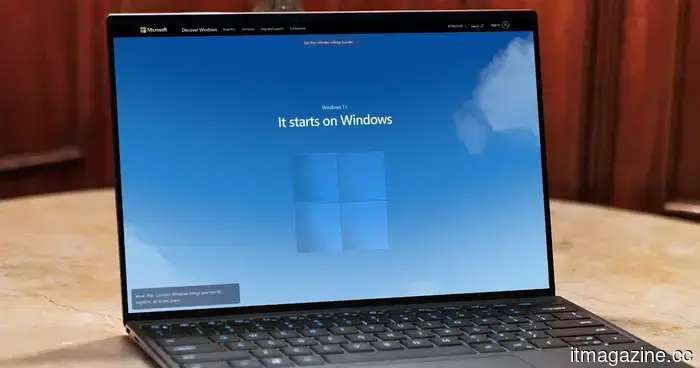 Microsoft has discovered yet another method to increase the cost of PCs, as if they weren't already expensive enough.
The costs of PCs are rising once more. Microsoft has recently increased Windows licensing fees by as much as 10%, adding to the already higher prices of memory and CPUs.
Microsoft has discovered yet another method to increase the cost of PCs, as if they weren't already expensive enough.
The costs of PCs are rising once more. Microsoft has recently increased Windows licensing fees by as much as 10%, adding to the already higher prices of memory and CPUs.
Germany's Uniper shifts focus to data centers with a €5 billion initiative to fuel the AI surge.
Uniper is directing approximately €5 billion towards data centers and flexible power by 2030, a shift that reshapes Germany's rescued energy giant to focus on AI-powered demand.