
Germany's Uniper shifts its focus to data centers with a €5 billion initiative to support the AI surge.
Uniper, the German energy company that Berlin saved from failure three years ago, is focusing its future on the server racks that are transforming Europe's energy market. The utility intends to invest approximately €5 billion ($5.7 billion) by 2030 in a strategy that strongly targets data centers and their increasing electricity demands.
Over half of this investment will go toward flexible power generation, primarily in Germany, as well as renewables throughout Germany and broader Europe. This initiative is a strategic move, combining gas-fired plants that can quickly adapt to demand with wind and solar sources that regulators are encouraging utilities to adopt.
The logic behind data centers is straightforward; with the rise of AI models, their electricity consumption is surging, and operators across Europe are racing to establish themselves as key suppliers in a trend that shows no signs of slowing. For a company whose primary business involves generating and selling electricity, this represents a significant customer to align with.
Chief Executive Michael Lewis articulated that "the growing electricity demand from data centers necessitates powerful, reliable, and long-term supply solutions," portraying the shift as a direct response to pre-existing demand rather than a speculative venture.
For a company still reeling from a near-collapse, this perspective is crucial as it transforms a growth strategy into a pragmatic approach committed to providing uninterrupted power for an industry where reliability is essential.
Uniper isn't starting anew; it has identified over ten existing power plant locations suitable for data centers, with three in advanced development and one project already completed in Britain. The rationale is rooted in the advantages of location, as a power plant already has the necessary grid connections, cooling water, and permits, which take years to secure if starting from scratch.
On the revenue front, Uniper aims to establish more stability than the unpredictable trading that has historically characterized merchant utilities. Instead of merely selling megawatts in an unstable spot market, the company plans to secure revenue through structured power purchase agreements and direct supply from its existing generation capacity, which offers the kind of long-term cash flow that investors value.
This quest for stability is especially relevant given Uniper's past. When Russia halted gas supplies in 2022 and European energy prices soared, the company faced devastating losses and underwent nationalization in one of the most significant rescue operations in German corporate history. A strategy based on predictable long-term contracts seeks to prevent a recurrence of such a scenario.
The German government currently owns 99.12% of Uniper and is preparing to divest its stake. Canada's pension fund manager CPPIB and the Czech energy group EPH are potential buyers, with expressions of interest expected by mid-June. This timeline gives a clear additional purpose to the data center initiative, as a pipeline of AI-driven demand is advantageous to present to potential investors. A utility with secured customers and a portfolio of ready sites is far more attractive than one still tethered to the crises that nearly brought it down, making this transformation significant for both Berlin’s plans and Uniper’s financial health.
Ultimately, any new shareholders will acquire not just power plants but also a stake in the demand curve that the entire sector is striving to capture. Across the industry, utilities are restructuring around data centers, which are becoming the new foundation of demand, with American companies committing over a trillion dollars and European ventures racing to integrate. It appears that Uniper prefers to spearhead this evolution rather than be left behind.
Другие статьи
 Следующее обновление WhatsApp для iPhone может значительно упростить поиск в чатах.
WhatsApp разрабатывает новую кнопку поиска в чате для iPhone, которая появляется, когда вы прокручиваете вверх, чтобы вы могли находить старые сообщения, не покидая разговор.
Следующее обновление WhatsApp для iPhone может значительно упростить поиск в чатах.
WhatsApp разрабатывает новую кнопку поиска в чате для iPhone, которая появляется, когда вы прокручиваете вверх, чтобы вы могли находить старые сообщения, не покидая разговор.
 Anthropic подписывает 9,1 млрд долларов, 20-летнее соглашение о облачных услугах с майнером биткойнов Riot Platforms
Anthropic подписала контракт на облачные услуги на сумму 9,1 миллиарда долларов сроком на 20 лет с Riot Platforms, компанией, занимающейся добычей биткойнов и ставшей арендодателем в сфере ИИ, на 191 МВт мощности на своем кампусе в Рокдале, штат Техас.
Anthropic подписывает 9,1 млрд долларов, 20-летнее соглашение о облачных услугах с майнером биткойнов Riot Platforms
Anthropic подписала контракт на облачные услуги на сумму 9,1 миллиарда долларов сроком на 20 лет с Riot Platforms, компанией, занимающейся добычей биткойнов и ставшей арендодателем в сфере ИИ, на 191 МВт мощности на своем кампусе в Рокдале, штат Техас.
 Amkor рассматривает продажу доли в своем китайском чиповом подразделении стоимостью более 1 миллиарда долларов.
Amkor Technology рассматривает продажу доли в своем китайском подразделении по упаковке чипов с оценкой от 1 до 1,5 миллиарда долларов, так как компания перенаправляет капитал в сторону Nvidia и Аризоны.
Amkor рассматривает продажу доли в своем китайском чиповом подразделении стоимостью более 1 миллиарда долларов.
Amkor Technology рассматривает продажу доли в своем китайском подразделении по упаковке чипов с оценкой от 1 до 1,5 миллиарда долларов, так как компания перенаправляет капитал в сторону Nvidia и Аризоны.
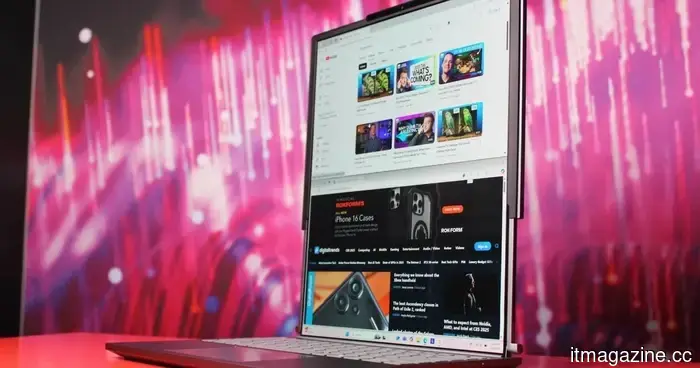 Следующий ThinkBook от Lenovo может расшириться в портативную ультраширокую конфигурацию.
Недавно появившийся дизайн Lenovo указывает на ThinkBook с горизонтально расширяющимся экраном, что потенциально может привести к внедрению ультрашироких раскладывающихся экспериментов компании в ее линейку ноутбуков, ориентированных на производительность.
Следующий ThinkBook от Lenovo может расшириться в портативную ультраширокую конфигурацию.
Недавно появившийся дизайн Lenovo указывает на ThinkBook с горизонтально расширяющимся экраном, что потенциально может привести к внедрению ультрашироких раскладывающихся экспериментов компании в ее линейку ноутбуков, ориентированных на производительность.
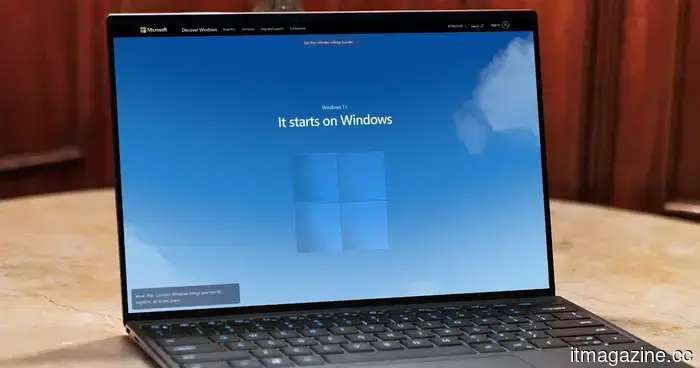 Microsoft только что нашла еще один способ сделать ПК дороже, потому что, по всей видимости, они были недостаточно дорогими.
Цены на ПК снова растут. Microsoft только что повысила лицензионные сборы за Windows на 10%, и это накладывается на более дорогую память и процессоры.
Microsoft только что нашла еще один способ сделать ПК дороже, потому что, по всей видимости, они были недостаточно дорогими.
Цены на ПК снова растут. Microsoft только что повысила лицензионные сборы за Windows на 10%, и это накладывается на более дорогую память и процессоры.
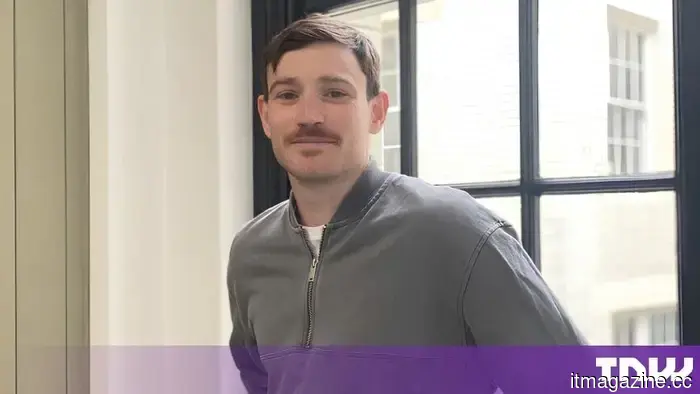 Ник Блэр ищет 200 миллионов долларов для стартапа в области оборонных технологий Pyra перед запуском.
Ник Блэр, сын бывшего премьер-министра Великобритании Тони Блэра, ищет около 200 миллионов долларов для Pyra, стартапа в области оборонных технологий в Лондоне, который еще не запущен, в то время как финансирование военных технологий в Европе достигает рекордных уровней.
Ник Блэр ищет 200 миллионов долларов для стартапа в области оборонных технологий Pyra перед запуском.
Ник Блэр, сын бывшего премьер-министра Великобритании Тони Блэра, ищет около 200 миллионов долларов для Pyra, стартапа в области оборонных технологий в Лондоне, который еще не запущен, в то время как финансирование военных технологий в Европе достигает рекордных уровней.
Germany's Uniper shifts its focus to data centers with a €5 billion initiative to support the AI surge.
Uniper is reallocating approximately €5 billion towards data centres and flexible power by 2030, a shift that reshapes Germany’s rescued energy giant with a focus on AI-driven demand.