
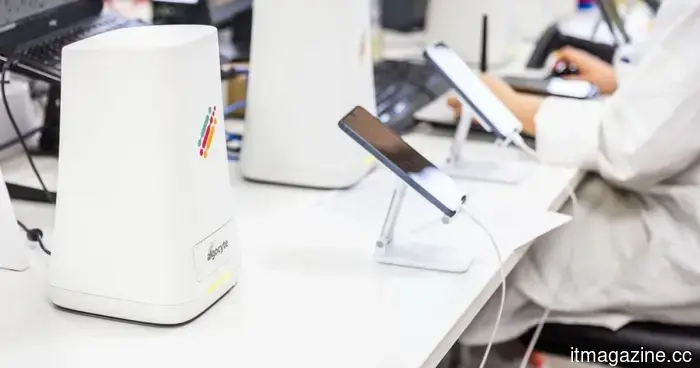
Proxima aims to bring blood tests into the home environment, and it has successfully overcome a significant initial obstacle.
The portable analyzer produces blood-count results in approximately 20 minutes, but its effectiveness relies on clear clinical data.
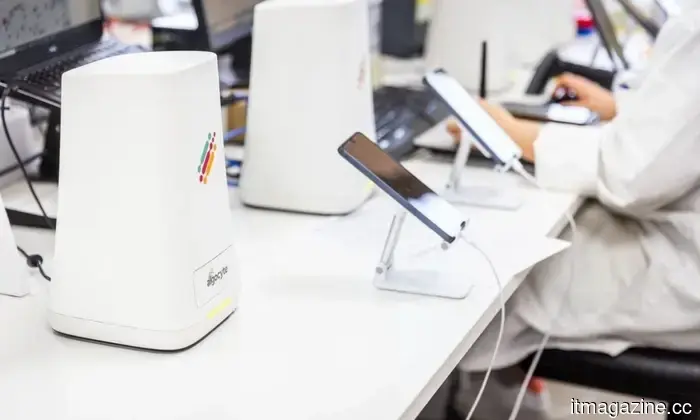
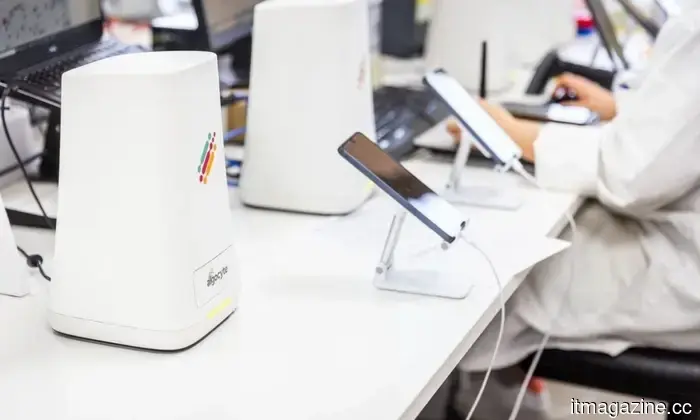
Algocyte's Proxima is designed to perform blood-count tests using a small finger-prick sample and communicate the results to a clinician within roughly 20 minutes. For patients requiring regular monitoring, this could reduce the number of visits to clinics or laboratories.
The device has progressed beyond the conceptual phase, as Proxima has UK conformity credentials and Algocyte operates under a certified medical-device quality system. These advancements lend more credibility to the initiative compared to a mere prototype displayed at a launch event.
What Proxima actually does
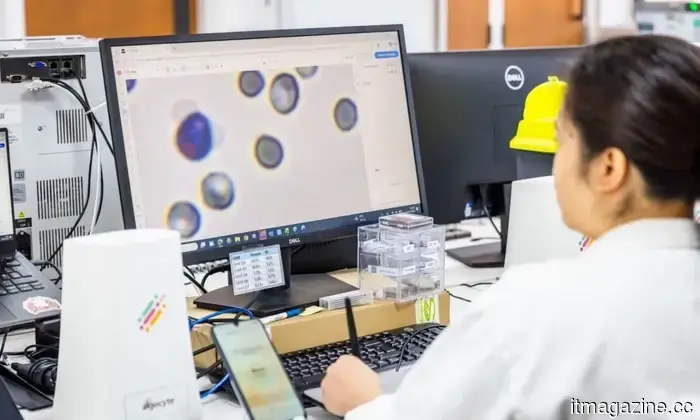
Proxima is an ultra-portable hematology analyzer that utilizes a small blood sample. Algocyte claims it can assess markers relevant to both partial and full blood counts, such as red and white blood cells, platelets, and hemoglobin.
A smartphone app manages the device. Two sensing systems gather data from the sample, which is then converted into biological measurements by AI.
The results are sent to a clinician's dashboard, rather than being provided directly to patients for interpretation. Algocyte is initially focusing on supervised use by healthcare professionals, with an eventual goal of facilitating home monitoring.
What the early clearance signifies
Proxima is marked as UKCA General IVD, while additional conformity work is ongoing for further applications. Algocyte also has ISO 13485 certification for its medical-device quality system.
These certifications indicate that formal design and manufacturing processes are established, although they do not independently verify how accurately Proxima's readings correspond with conventional laboratory equipment.
Finger-prick testing remains under heightened scrutiny following the Theranos incident, however, Proxima's current claim is much more limited. It is being positioned as a supervised hematology tool rather than a substitute for an entire clinical laboratory.
What still needs to be demonstrated
The most crucial next step is to provide public performance data comparing Proxima's results with those from established reference analyzers for all claimed markers. This evidence should also reveal the frequency of test failures or the need for repeat testing.
Real-world application is equally important. Finger-prick collection methods can differ, and a device meant for home monitoring must maintain reliability when samples are not handled by laboratory personnel.
Proxima has successfully navigated several significant early challenges and is making a measured claim. Its next goal should involve concrete milestones, specifically published clinical evidence for doctors and patients to review independently.
Paulo Vargas is an English major who transitioned from reporter to technical writer, with a career path that has consistently circled back to...
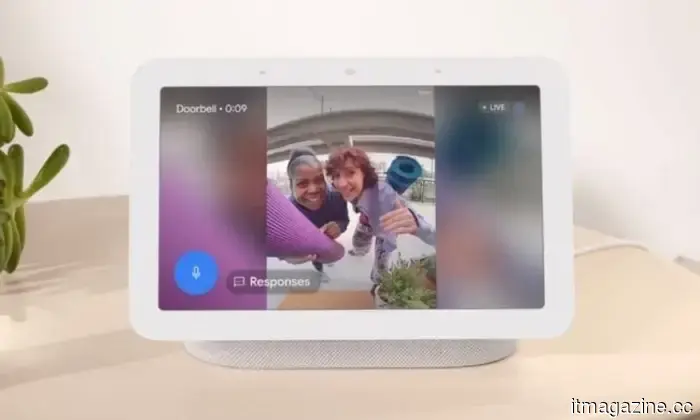
Google Home's Interactive Storytime feature has me questioning who actually requested this.
Google Home's recent update introduces a variety of new features, including Gemini-powered Interactive Storytime. While it's unclear who sought this addition, it allows families to create original stories on specific topics spontaneously, rather than merely listening to a known tale. So what's the significant new feature here?
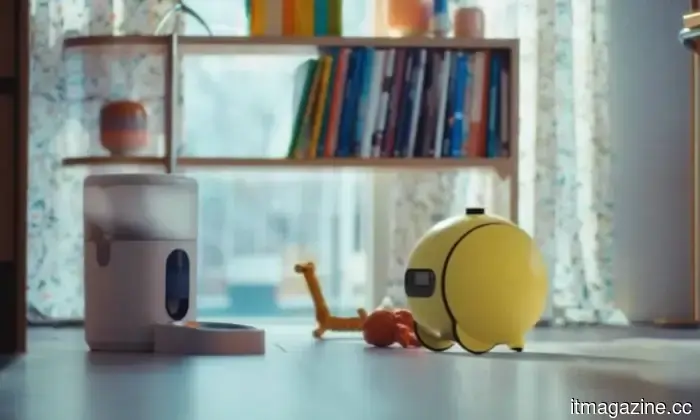
Remember Samsung's Ballie home robot? It may finally be getting closer to actually being released.
Leaked app wireframes provide the strongest indication yet that Samsung's Ballie home robot, first introduced at CES 2020, might still be on track for an eventual launch. Samsung's mobile robot has been the industry's longest-running speculation of whether it will actually be released, and I must admit I had largely lost hope. However, there’s finally a flicker of optimism. Ballie was first revealed as a concept at CES 2020, later showcased in a significantly enhanced version four years later. Nonetheless, the company has yet to confirm a release date or commit to its actual launch.
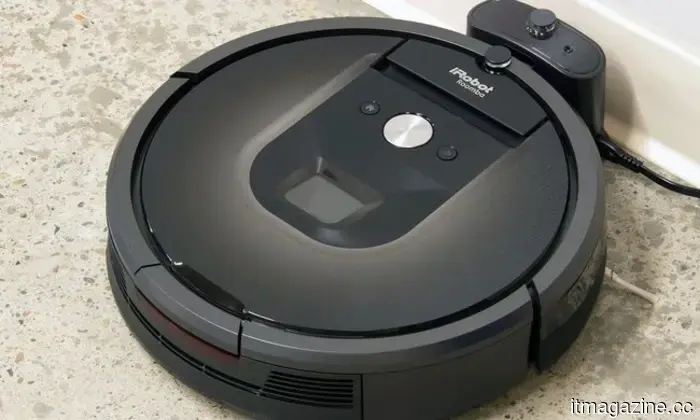
The US crackdown on foreign-made robots will also impact future Roombas.
Future Roombas are facing new sales challenges in the US, but current models remain unaffected.
The FCC has made it considerably more challenging for foreign drone manufacturers, like DJI, to introduce new products in the US. This same crackdown has now extended to robotic devices likely to navigate your home. Recently, the US government included advanced foreign-made robotic devices on the FCC’s Covered List. Although the announcement seemed to focus on humanoids, robot dogs, and industrial machines, an FCC representative confirmed to The Verge that robot vacuum cleaners are also included.

Other articles
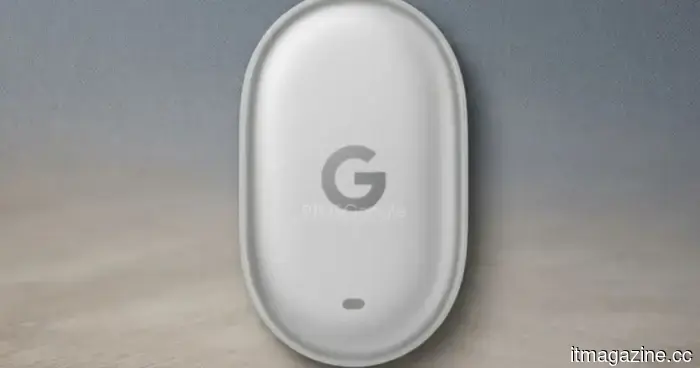 The Pixel Tag could be Google's response to the AirTag, with a similar price point.
The speculated Pixel Tag from Google might be priced only 10 cents lower than an AirTag, with the integration for Android and the yet-to-be-confirmed tracking hardware needing to justify the almost identical cost.
The Pixel Tag could be Google's response to the AirTag, with a similar price point.
The speculated Pixel Tag from Google might be priced only 10 cents lower than an AirTag, with the integration for Android and the yet-to-be-confirmed tracking hardware needing to justify the almost identical cost.
 Anthropic created an inspection layer that enables companies to prevent sensitive data from reaching Claude.
Inference hooks enable security teams to examine each prompt and tool call prior to processing by Claude. They are compatible with Netskope, Palo Alto, and Zscaler. A single configuration applies to all Claude products.
Anthropic created an inspection layer that enables companies to prevent sensitive data from reaching Claude.
Inference hooks enable security teams to examine each prompt and tool call prior to processing by Claude. They are compatible with Netskope, Palo Alto, and Zscaler. A single configuration applies to all Claude products.
 Yann LeCun's second venture into creating a VC fund successfully raises $100 million, with Gemini's co-lead joining as a partner.
LeCun and Oriol Vinyals have joined 224 Ventures, a fresh AI fund with over $100 million in assets. The fund focuses on early-stage AI startups, providing investments ranging from $1 million to $5 million. The limited partners are primarily individuals with experience in the AI sector.
Yann LeCun's second venture into creating a VC fund successfully raises $100 million, with Gemini's co-lead joining as a partner.
LeCun and Oriol Vinyals have joined 224 Ventures, a fresh AI fund with over $100 million in assets. The fund focuses on early-stage AI startups, providing investments ranging from $1 million to $5 million. The limited partners are primarily individuals with experience in the AI sector.
 Wispr Flow introduces an AI note-taking tool that operates without the need to join calls.
Wispr Flow has introduced Notetaker, an AI meeting assistant for Mac that can record calls without needing to join as a participant, and transforms conversations into transcripts, summaries, and follow-up notes.
Wispr Flow introduces an AI note-taking tool that operates without the need to join calls.
Wispr Flow has introduced Notetaker, an AI meeting assistant for Mac that can record calls without needing to join as a participant, and transforms conversations into transcripts, summaries, and follow-up notes.
 Wispr Flow has introduced an AI note-taker that operates without the need to join calls.
Wispr Flow has introduced Notetaker, an AI meeting assistant for Mac that captures calls without being a participant and converts discussions into transcripts, summaries, and follow-up notes.
Wispr Flow has introduced an AI note-taker that operates without the need to join calls.
Wispr Flow has introduced Notetaker, an AI meeting assistant for Mac that captures calls without being a participant and converts discussions into transcripts, summaries, and follow-up notes.
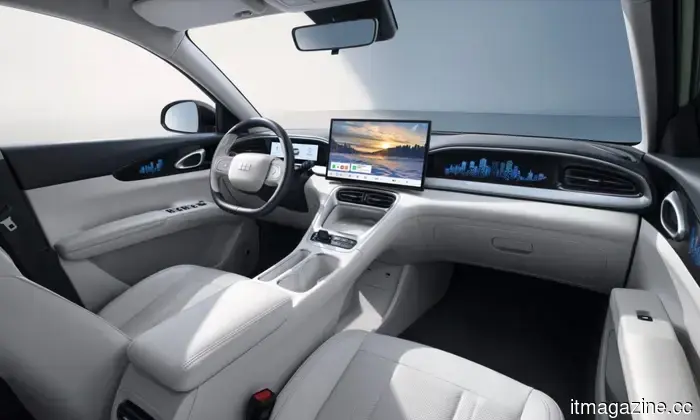 Europe is enjoying the advantages of an open market with an impressive $22K electric vehicle, while the US market remains unexciting.
Geely's latest E2 hatchback is priced starting at only $22,490 in Europe, whereas the most affordable electric vehicles in America exceed $28,000.
Europe is enjoying the advantages of an open market with an impressive $22K electric vehicle, while the US market remains unexciting.
Geely's latest E2 hatchback is priced starting at only $22,490 in Europe, whereas the most affordable electric vehicles in America exceed $28,000.
Proxima aims to bring blood tests into the home environment, and it has successfully overcome a significant initial obstacle.
Proxima guarantees blood-count results within 20 minutes from a finger prick, but its acceptance for use at home will rely on solid clinical evidence demonstrating how it measures up against traditional lab equipment.