
TikTok reaches another settlement to avoid a jury trial regarding harm to teens.
TikTok has a consistent strategy in response to lawsuits claiming it endangers children: settle quietly before any evidence is presented to a jury. On Monday, it again opted for this approach.
According to Reuters, the company has reached settlements in three cases it was meant to contest in October. These cases were pivotal test cases selected from approximately 3,300 lawsuits consolidated in California state court, intended to help both sides understand potential jury reactions. The details of the settlements are confidential, and TikTok has not provided any comments.
The plaintiffs in these cases are teenagers, identified only by their initials. They claim that excessive use of the platform has led to addiction, anxiety, depression, self-harm, and eating disorders. The company denies these allegations and asserts it takes significant measures to protect young users.
A pattern emerges throughout the litigation. This is not TikTok's first time avoiding trial; it settled the initial case before it reached the courtroom in February and again in July, and it also resolved the first claim from a school district. In all previous bellwether cases, TikTok has opted to pay rather than defend itself in front of a jury.
In contrast, its competitors faced different outcomes, leading to substantial consequences. After the first case resulted in a verdict in March, a jury found Meta and Google liable for the mental health damages suffered by a young woman, awarding around $6 million. Both companies are currently appealing. A settlement does not create a legal precedent or require an admission of guilt, making TikTok's confidential payout a less risky option.
However, the legal battles are far from over. The trial set for October will proceed without TikTok, as Meta, YouTube, and Snap are still prepared to face the three teenage plaintiffs in court, marking the first significant examination of these claims since the March verdict. TikTok has removed itself from this trial, as it did from the one in July.
While settling these bellwethers does not conclude the legal fight, over 2,600 more cases remain pending in federal court, filed by families, school districts, cities, and states, with nearly every state attorney general having initiated legal action. Two additional school district trials are anticipated for February. Each settlement clears a case from the docket while a multitude of similar claims continues to accumulate.
This scenario underscores the calculation at play: a verdict establishes a specific number and legal precedent that future plaintiffs can reference. A settlement ensures silence on a case-by-case basis as long as the funding lasts. TikTok seems to be wagering that it can keep issuing payments faster than new cases emerge.
This article contains discussions of self-harm and suicide. If you or someone you know is in crisis, support is available. In the US, call or text 988 for the Suicide and Crisis Lifeline; in the UK and Ireland, reach out to Samaritans at 116 123.
Other articles
 Apple's lawsuit against OpenAI has encountered a misstep due to an embarrassing email sent to the wrong recipient.
OpenAI has released emails and messages that dispute Apple’s claims regarding trade secrets, featuring an uncomfortable incident where Apple's external attorney reached out to the incorrect individual.
Apple's lawsuit against OpenAI has encountered a misstep due to an embarrassing email sent to the wrong recipient.
OpenAI has released emails and messages that dispute Apple’s claims regarding trade secrets, featuring an uncomfortable incident where Apple's external attorney reached out to the incorrect individual.
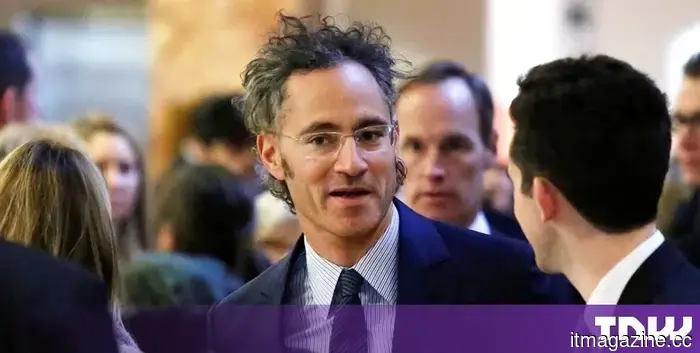 Alex Karp's one-sided radicalism: Palantir's issue with Marxism is Palantir itself.
Alex Karp states that Palantir has 'Marxist overtones.' If this concept is considered seriously, it focuses on Palantir itself, the company that controls the infrastructure.
Alex Karp's one-sided radicalism: Palantir's issue with Marxism is Palantir itself.
Alex Karp states that Palantir has 'Marxist overtones.' If this concept is considered seriously, it focuses on Palantir itself, the company that controls the infrastructure.
 Apple challenges the UK's restricted iCloud backdoor directive.
After losing the battle in 2025, Britain restricted its demand for an Apple backdoor to only UK users. Apple has gone back to a covert surveillance court to contest this.
Apple challenges the UK's restricted iCloud backdoor directive.
After losing the battle in 2025, Britain restricted its demand for an Apple backdoor to only UK users. Apple has gone back to a covert surveillance court to contest this.
 Pwnage's latest gaming mouse allows users to modify the click force and travel distance using a screwdriver.
The updated Pwnage Vanta allows users to adjust click force and travel without needing to swap switches, and its sensor can be repositioned to accommodate various grip styles. It is currently available for preorder.
Pwnage's latest gaming mouse allows users to modify the click force and travel distance using a screwdriver.
The updated Pwnage Vanta allows users to adjust click force and travel without needing to swap switches, and its sensor can be repositioned to accommodate various grip styles. It is currently available for preorder.
 Apple is finally introducing one of my favorite Continuity features to Windows.
Apple is said to be developing a feature that will allow users to copy content on their iPhone and paste it on a Windows PC, following a request from Microsoft, but it may not be available until 2027 or beyond.
Apple is finally introducing one of my favorite Continuity features to Windows.
Apple is said to be developing a feature that will allow users to copy content on their iPhone and paste it on a Windows PC, following a request from Microsoft, but it may not be available until 2027 or beyond.
 The demand for AI is pushing data center developers to seek financing from banks.
As power has become the limiting factor for AI, data center developers are pursuing billions in bank financing commitments to secure electricity and facilitate construction.
The demand for AI is pushing data center developers to seek financing from banks.
As power has become the limiting factor for AI, data center developers are pursuing billions in bank financing commitments to secure electricity and facilitate construction.
TikTok reaches another settlement to avoid a jury trial regarding harm to teens.
TikTok resolved the three lawsuits it was scheduled to contest in October, continuing a streak that has spared it from any jury trials. In contrast, Meta and Google opted to contest their cases.