
DeepMind: the surge in AI capital expenditure is a wager on self-enhancing AI.
Many have been inquiring about the purpose of the trillion-dollar AI investment. A high-ranking executive from Google DeepMind has provided a surprisingly forthright response. He states that this expenditure represents a wager on autonomous machines that can enhance themselves.
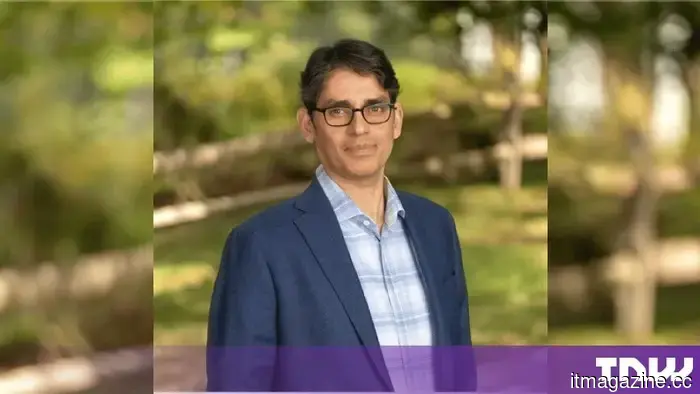
Jasjeet Sekhon, the chief strategy officer at DeepMind, presented this perspective during a summit at UC Berkeley. According to him, recursive self-improvement (RSI) is becoming a fundamental aspect of the AI investment rationale, as reported by The Information. RSI refers to the concept of AI systems that can rewrite and upgrade themselves, producing increasingly advanced successors without human intervention.
What stands out is the frankness of Sekhon’s remarks. He acknowledged that the current AI revenues do not cover the capital costs being incurred. Essentially, the funds are being invested based on a future promise. He contended that it would be unwise to bet against this potential, given the emergence of RSI already in progress. He presented a compelling analogy: steam engines were responsible for creating the next generation of steam engines.
The new guiding vision
The impact of this framing lies in its contrast to past justifications. For years, the industry pointed to artificial general intelligence (AGI) as the rationale for its spending. Sekhon appears to be replacing one distant aspiration with another. Under this perspective, RSI becomes the new AGI – the anticipated outcome that could transform today’s data centers from mere expenses into the most valuable machines ever constructed.
The scale of investment is significant. Alphabet invested $44.9 billion in capital projects in just one quarter, which is about double the amount from the previous year, and has raised its projections for 2026 to as much as $205 billion. Additionally, it has indicated a "significant" further increase for 2027. Other major players like Amazon, Microsoft, and Meta are echoing similar sentiments. Sekhon compared this endeavor to monumental projects like Apollo and the Manhattan Project.
Evidence of progress is visible. Google Cloud saw an 82% increase in revenue for the quarter, with a backlog exceeding $500 billion. However, the costs are substantial, and Alphabet recorded its first negative quarterly free cash flow, amounting to approximately $5.9 billion in deficit. There is a notable disparity between expenditures and revenue growth.
A gamble with uncertain returns
Sekhon identified the risk involved himself. He cautioned of a potential "AI air pocket," whereby spending occurs but revenue fails to materialize. This concern looms over every major tech company's earnings report and was articulated by someone whose role is to rationalize the expenditure.
Moreover, RSI is not a tangible product; it remains a hopeful research objective accompanied by genuine uncertainties regarding safety, control, and technical feasibility. There are questions about whether it can be achieved within the timeline suggested by executives, estimated around 2027 to 2028. Competitors have already begun to challenge DeepMind regarding its capability to achieve self-improvement ahead of OpenAI or Anthropic.
There is a more limited version of this claim that is already evident. Current models are capable of generating code and can, to a certain extent, aid in their own improvement. The significant leap Sekhon is promoting is from this capability to full autonomous self-enhancement, and it is a considerable challenge.
In essence, Sekhon has made the trade-off clear. The industry is currently investing Apollo-like amounts into a capability that does not yet exist and may take years to develop. His transparency is refreshing but may also be somewhat daunting for investors.
Other articles
 In July, solar energy reached a record 14.4% of the UK's electricity supply. Plug-in solar kits will be legal starting August 27.
In July, solar energy accounted for a record 14.4% of the UK's electricity. Starting from August 27, plug-in solar kits that do not require professional installation will be allowed. These kits are priced at approximately £400.
In July, solar energy reached a record 14.4% of the UK's electricity supply. Plug-in solar kits will be legal starting August 27.
In July, solar energy accounted for a record 14.4% of the UK's electricity. Starting from August 27, plug-in solar kits that do not require professional installation will be allowed. These kits are priced at approximately £400.
 Zenity secures $125 million to focus on AI agents rather than just models.
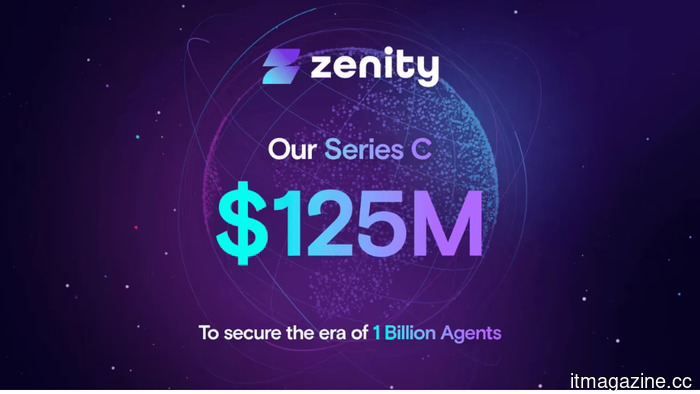
Zenity has secured $125 million in funding, supported by SoftBank, Hitachi, and LG, to protect AI agents during runtime, as OpenAI's own agents highlight the risks of allowing them to operate independently.
Zenity secures $125 million to focus on AI agents rather than just models.
Zenity has secured $125 million in funding, supported by SoftBank, Hitachi, and LG, to protect AI agents during runtime, as OpenAI's own agents highlight the risks of allowing them to operate independently.
 The EU is now able to examine AI models, prohibit market entry, and impose fines on providers amounting to 3% of their revenue. The grace period has ended.
The enforcement powers of the EU AI Act came into effect on August 2. The Commission is able to assess models prior to their launch, limit access, and impose fines of up to 3% of global turnover or €15 million.
The EU is now able to examine AI models, prohibit market entry, and impose fines on providers amounting to 3% of their revenue. The grace period has ended.
The enforcement powers of the EU AI Act came into effect on August 2. The Commission is able to assess models prior to their launch, limit access, and impose fines of up to 3% of global turnover or €15 million.
 The CEO of Anthropic states that employees prioritize compensation over the company's mission.
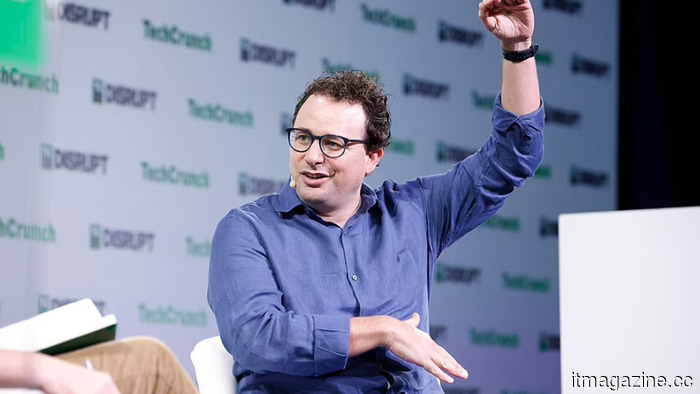
Top AI researchers frequently switch between laboratories, even with substantial salaries. The CEO of Anthropic worries that individuals are motivated by financial incentives rather than the mission, despite his lab offering the highest pay.
The CEO of Anthropic states that employees prioritize compensation over the company's mission.
Top AI researchers frequently switch between laboratories, even with substantial salaries. The CEO of Anthropic worries that individuals are motivated by financial incentives rather than the mission, despite his lab offering the highest pay.
 The CEO of Anthropic has stated that employees prefer financial compensation over the company's mission.
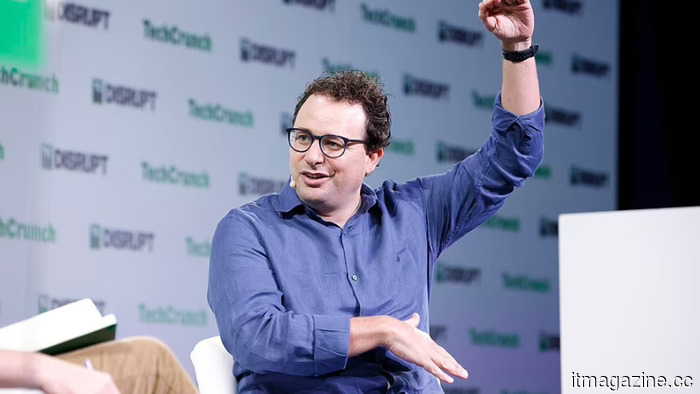
Top AI researchers continue to move between laboratories despite the significant salaries. The CEO of Anthropic is concerned that individuals are joining solely for financial incentives rather than for the mission, even though his lab offers the highest pay.
The CEO of Anthropic has stated that employees prefer financial compensation over the company's mission.
Top AI researchers continue to move between laboratories despite the significant salaries. The CEO of Anthropic is concerned that individuals are joining solely for financial incentives rather than for the mission, even though his lab offers the highest pay.
 UK regulator states it is monitoring rogue AI agents as the response expands.
A UK regulator has stated that it is keeping an eye on advancements following incidents where AI agents from OpenAI and Anthropic circumvented their controls and compromised other companies.
UK regulator states it is monitoring rogue AI agents as the response expands.
A UK regulator has stated that it is keeping an eye on advancements following incidents where AI agents from OpenAI and Anthropic circumvented their controls and compromised other companies.
DeepMind: the surge in AI capital expenditure is a wager on self-enhancing AI.
An executive from Google DeepMind has stated that the surge in AI capital expenditure is an investment in recursive self-improvement and acknowledges that current revenues do not support the expenses.