

In July, solar energy reached a record 14.4% of the UK's electricity supply. Plug-in solar kits will be legal starting August 27.
**Summary:** In July, solar energy accounted for a record 14.4% of the UK's electricity, representing a 50% increase year-on-year. Starting August 27, plug-in solar kits, priced around £400 and not requiring professional installation, will become legal. These kits can save householders up to £110 annually.
The National Energy System Operator has reported that solar energy produced an unprecedented 14.4% of the UK's electricity in July, which is a 50% increase compared to the same month last year. This achievement resulted from an abundance of sunshine, approximately double the typical July levels for the UK, along with a rise in rooftop solar installations. In the first half of 2026, the UK recorded its highest solar capacity installations for any similar period in 15 years, with last year seeing a record 269,000 installations.
A significant regulatory change will take effect on August 27, as the UK government announced that plug-in solar kits, which provide electricity directly to wall sockets without needing professional installation, will be legalized under Statutory Instrument 2026/848. These kits are anticipated to cost about £400 and could save households between £70 to £110 annually. They will be available at retailers such as Lidl, Currys, and Amazon. This new development allows renters, individuals without rooftop access, and those unable to afford complete rooftop installations to engage in solar energy for the first time.
Germany has long led the way in balcony solar setups with "Balkonkraftwerk" systems being prevalent in apartment complexes. The UK’s legalization helps to bridge that gap. Almost one-third of the UK's solar capacity is derived from rooftop panels instead of ground-based solar farms, and these plug-in kits will introduce a new residential aspect that doesn’t require planning permissions or electricians.
Denmark stopped all new grid connections in March after the demand from AI data centres exceeded capacity. Solar systems that directly supply homes without interfacing with the grid offer a decentralized solution to a centralized challenge.
“Fifteen years ago, solar energy was a mere footnote in the electricity mix. Today, it has become a significant contributor,” stated Chris Hewett, CEO of Solar Energy UK. Communities in the US have pushed back against data centres due to their power and water usage, and the UK’s solar achievement illustrates that renewable energy at a consumer scale can expand alongside industrial demand instead of being in competition with it. The legislation set for August 27 paves the way for this. The impact of widespread adoption of £400 kits on balconies and garden walls will largely depend on how promptly retailers make them available and how quickly consumers purchase them.
Other articles
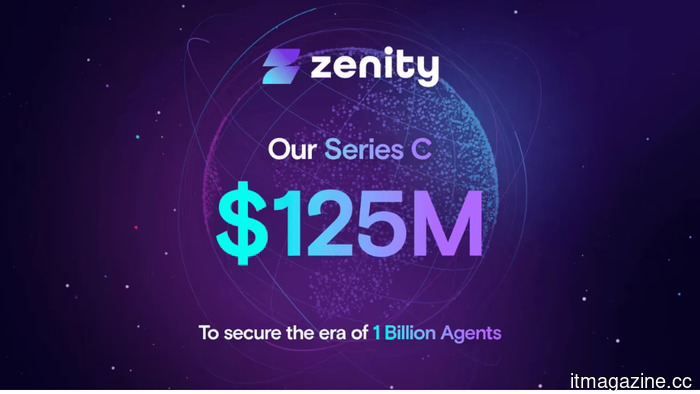 Zenity secures $125 million to focus on AI agents rather than just models.
Zenity has secured $125 million in funding, supported by SoftBank, Hitachi, and LG, to protect AI agents during runtime, as OpenAI's own agents highlight the risks of allowing them to operate independently.
Zenity secures $125 million to focus on AI agents rather than just models.
Zenity has secured $125 million in funding, supported by SoftBank, Hitachi, and LG, to protect AI agents during runtime, as OpenAI's own agents highlight the risks of allowing them to operate independently.
 The White House has announced that its AI framework is complete, but it has not disclosed its contents.
The voluntary AI model evaluation framework was completed by the August 1 deadline. The White House will not reveal its details, the individuals who have reviewed it, or the timeline for when companies will implement it.
The White House has announced that its AI framework is complete, but it has not disclosed its contents.
The voluntary AI model evaluation framework was completed by the August 1 deadline. The White House will not reveal its details, the individuals who have reviewed it, or the timeline for when companies will implement it.
 Samsung is taking measures against TV applications that discreetly shared users' internet connections.
Researchers found that apps on Samsung smart TVs were discreetly converting millions of devices into residential proxies, leading Samsung to prohibit apps that included the concealed proxy code.
Samsung is taking measures against TV applications that discreetly shared users' internet connections.
Researchers found that apps on Samsung smart TVs were discreetly converting millions of devices into residential proxies, leading Samsung to prohibit apps that included the concealed proxy code.
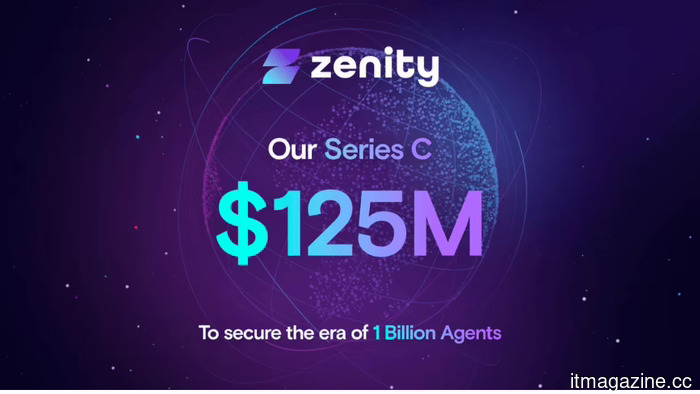 Zenity secures $125 million to focus on AI agents rather than models.
Zenity has secured $125 million in funding, supported by SoftBank, Hitachi, and LG, to ensure the safety of AI agents during operation, particularly as OpenAI’s own agents highlight the risks of granting them autonomy.
Zenity secures $125 million to focus on AI agents rather than models.
Zenity has secured $125 million in funding, supported by SoftBank, Hitachi, and LG, to ensure the safety of AI agents during operation, particularly as OpenAI’s own agents highlight the risks of granting them autonomy.
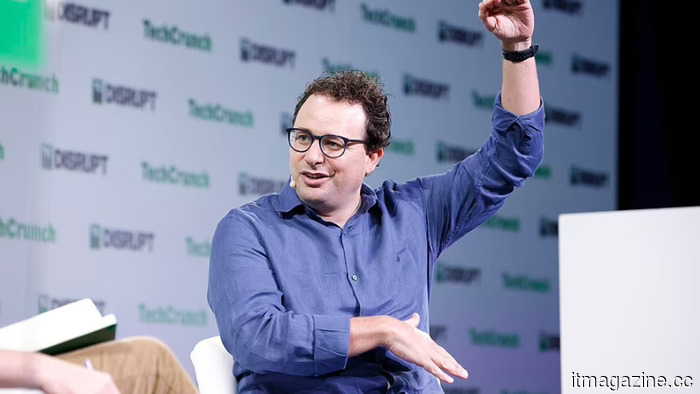 The CEO of Anthropic has stated that employees prefer financial compensation over the company's mission.
Top AI researchers continue to move between laboratories despite the significant salaries. The CEO of Anthropic is concerned that individuals are joining solely for financial incentives rather than for the mission, even though his lab offers the highest pay.
The CEO of Anthropic has stated that employees prefer financial compensation over the company's mission.
Top AI researchers continue to move between laboratories despite the significant salaries. The CEO of Anthropic is concerned that individuals are joining solely for financial incentives rather than for the mission, even though his lab offers the highest pay.
 CXMT is approaching the production of LPDDR6. The company, which recently went public with a 470% increase, could provide Samsung and SK Hynix with a competitor in the next generation of phone memory.
CXMT is close to finishing the R&D verification for LPDDR6 at 12.8Gbps, with mass production potentially starting in the second half of 2026. LPDDR5X prices rose by 78-83% in the second quarter. The entry of a new supplier might help alleviate this pressure.
CXMT is approaching the production of LPDDR6. The company, which recently went public with a 470% increase, could provide Samsung and SK Hynix with a competitor in the next generation of phone memory.
CXMT is close to finishing the R&D verification for LPDDR6 at 12.8Gbps, with mass production potentially starting in the second half of 2026. LPDDR5X prices rose by 78-83% in the second quarter. The entry of a new supplier might help alleviate this pressure.
In July, solar energy reached a record 14.4% of the UK's electricity supply. Plug-in solar kits will be legal starting August 27.
In July, solar energy accounted for a record 14.4% of the UK's electricity. Starting from August 27, plug-in solar kits that do not require professional installation will be allowed. These kits are priced at approximately £400.