
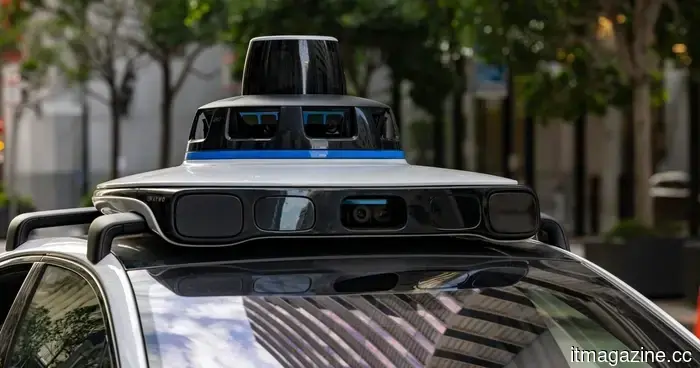
A new AI model aims for self-driving cars to think carefully before making a sudden swerve.
Forget about guessing games; this self-driving AI actually demonstrates its reasoning.
Self-driving vehicles have made significant strides in their ability to navigate. However, the greater challenge lies in training them to respond safely in unexpected situations. We have heard alarming accounts of self-driving cars acting unpredictably during emergencies, often hindering first responders from reaching those in need.
A research team at Seoul National University, led by Professor Jun Won Choi from the Department of Electrical and Computer Engineering, believes they have addressed part of this challenge with a new AI model named SafeDrive. Their research was recently highlighted as a standout paper at CVPR 2026, a recognition given to only about 3% of all submissions.
How does SafeDrive enhance driving safety?
Most autonomous driving models operate by analyzing extensive amounts of real-world driving data to imitate human reactions on the road. While this method generally works well, these systems often fail to provide clear reasons for their choices, which poses a significant safety issue.
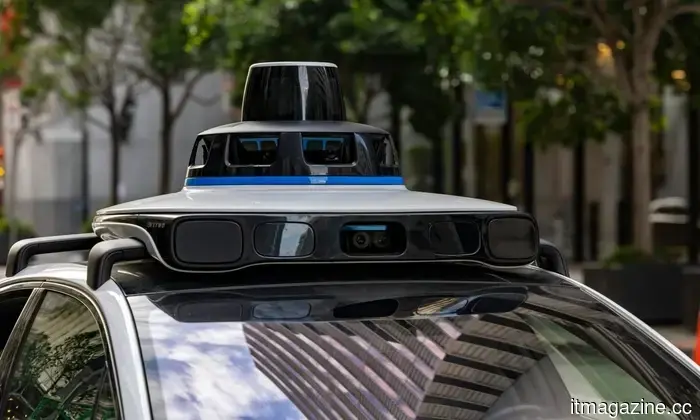
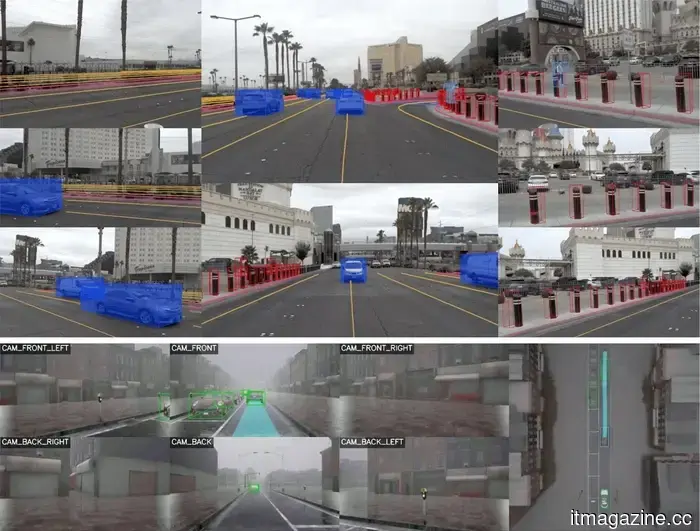
Choi’s team developed a method called Fine-grained Safety Reasoning to tackle this issue. Rather than selecting a single driving route, SafeDrive produces multiple potential trajectories, integrates them with data from the car’s sensors, and evaluates each option based on safety. The vehicle then selects the pathway with the highest safety score. Although it seems straightforward, this approach addresses the two main shortcomings of current end-to-end systems: safety and explainability.
Why is this significant for South Korea?
According to TechXplore, this marks the first instance of a South Korean-made end-to-end autonomous driving paper being recognized as a highlight at CVPR, one of the premier AI and computer vision conferences worldwide. This is a strong indicator that South Korea is moving beyond merely observing as the US and China advance in the self-driving arena.
SafeDrive is also progressing beyond the research phase. It has been incorporated into EAD, a reference model supported by Korea’s Ministry of Trade, Industry and Energy, and Choi’s team is collaborating with local autonomous vehicle companies to implement it in real-world cars. Choi noted that the goal is to continue refining the model using larger datasets while ultimately working toward full commercialization with data they gather themselves.

Other articles
 Camera anxiety is transforming the way young adults socialize at parties.
Students express that they are unable to completely unwind during a night out, as they find themselves caught between enthusiastic promoters with cameras and glasses that resemble nothing more than recording devices.
Camera anxiety is transforming the way young adults socialize at parties.
Students express that they are unable to completely unwind during a night out, as they find themselves caught between enthusiastic promoters with cameras and glasses that resemble nothing more than recording devices.
 The old internet created a museum for fading technological sounds, and somehow it continues to exist.
This charmingly nostalgic online museum archives dial-up modems, floppy disks, Windows startup sounds, and other audio that gradually vanished as our devices became sleeker, quicker, and far less vocal.
The old internet created a museum for fading technological sounds, and somehow it continues to exist.
This charmingly nostalgic online museum archives dial-up modems, floppy disks, Windows startup sounds, and other audio that gradually vanished as our devices became sleeker, quicker, and far less vocal.
 AMD's Helios integrates 72 GPUs and 31 terabytes of HBM4 within a single rack. This is AMD's response to Nvidia's NVL72.
The AMD Helios contains 72 MI455X GPUs, 31TB of HBM4, and delivers 2.9 exaflops of inference computing within a single rack. Engineering samples are set to be shipped in the second half of 2026, with mass production beginning in the second quarter of 2027.
AMD's Helios integrates 72 GPUs and 31 terabytes of HBM4 within a single rack. This is AMD's response to Nvidia's NVL72.
The AMD Helios contains 72 MI455X GPUs, 31TB of HBM4, and delivers 2.9 exaflops of inference computing within a single rack. Engineering samples are set to be shipped in the second half of 2026, with mass production beginning in the second quarter of 2027.
 Singles are utilizing ChatGPT and Claude to craft their dating messages, and the apps have no intention of putting a stop to it.
26% of adults in the US have sought assistance from AI for dating purposes. Match, Hinge, and Bumble have stated that they do not filter for messages generated by AI. This trend is referred to as chatfishing.
Singles are utilizing ChatGPT and Claude to craft their dating messages, and the apps have no intention of putting a stop to it.
26% of adults in the US have sought assistance from AI for dating purposes. Match, Hinge, and Bumble have stated that they do not filter for messages generated by AI. This trend is referred to as chatfishing.
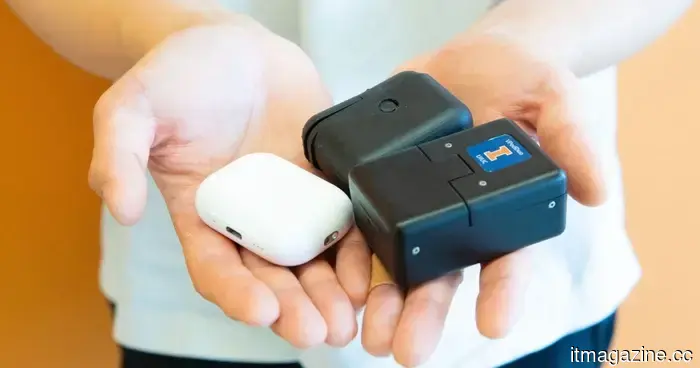 A mini lab the size of AirPods could assist in detecting disease markers within minutes.
The VPodDuo, which is roughly the size of an AirPods case, links to a smartphone and can analyze molecular tests for viruses, bacteria, and cancer-related biomarkers in approximately 10 minutes.
A mini lab the size of AirPods could assist in detecting disease markers within minutes.
The VPodDuo, which is roughly the size of an AirPods case, links to a smartphone and can analyze molecular tests for viruses, bacteria, and cancer-related biomarkers in approximately 10 minutes.
 Google Frozen chip: Gemini embedded in the silicon.
A report indicates that the Google Frozen chip will integrate Gemini directly into silicon, potentially achieving up to 10 times efficiency by 2028. This development could have significant implications for AI.
Google Frozen chip: Gemini embedded in the silicon.
A report indicates that the Google Frozen chip will integrate Gemini directly into silicon, potentially achieving up to 10 times efficiency by 2028. This development could have significant implications for AI.
A new AI model aims for self-driving cars to think carefully before making a sudden swerve.
A team from Seoul National University developed an AI that evaluates the safety decisions of self-driving cars in real time, and it has recently received a prestigious highlight paper recognition at CVPR.