

In what ways do ink tank printers lower printing expenses in the long run?
Imagine this: it’s the night before a deadline and you have a crucial document to print. A permission slip. A tax form. A contract that requires a signature. You press print, and the printer displays a low-ink warning. It’s not out of ink yet, but you start to doubt whether it will finish the task. You check the cartridge status, weigh the risks, and ponder whether you can get a replacement by tomorrow.
If this sounds familiar, you already grasp the main issue with conventional inkjet printing. The hardware may bring you in, but the ongoing ink costs keep you spending long after you’ve forgotten the initial price of the printer.
Ink tank printers help lower printing expenses over time by replacing small disposable cartridges with refillable ink tanks that hold significantly more ink. This change means users need to buy replacements less frequently, resulting in a lower cost per printed page and fewer interruptions from constant cartridge changes. Households that print regularly often notice their savings within the first couple of years of ownership.
Why traditional cartridge printing tends to be pricier than expected
While the initial price of a basic inkjet printer is indeed low, Consumer Reports indicates that entry-level models start around $45 in the US. This price tag looks appealing on a shelf, but issues arise quickly with regular use.
An average ink cartridge yields around 220 pages, based on industry-standard tests at 5% page coverage. A mid-range color cartridge set can cost between $20 and $35. For households printing around 300 pages a month, this leads to replacing cartridges approximately every three to four weeks. Over a year, ink costs alone can reach $150 or more, as estimated by Consumer Reports, for a printer that costs under $50 to purchase.
Additionally, there's a less-discussed factor that quietly drives up costs: inkjet printers perform automatic printhead cleaning cycles during startup and after being idle for a while. These maintenance routines consume ink without yielding any printed pages. For households that don't print daily, a significant portion of cartridge life is used up for maintenance before any ink ever touches paper.
How ink tank printers shift the economics
An ink tank printer replaces conventional cartridges with a large internal reservoir that you directly refill from ink bottles. This change alters the cost structure in two key ways.
First, the cost per page decreases dramatically. According to HP’s data, HP Smart Tank printers utilize high-capacity ink bottles that can produce up to 6,000 black pages or 8,000 color pages, depending on the model. The ink included with the purchase can last up to three years of typical home printing from day one.
Second, dealing with ink becomes less frequent. Rather than checking cartridge levels weekly and ordering replacements monthly, most households will only need to refill an ink tank printer a few times a year.
HP Smart Tank printers utilize spill-free, color-coded ink bottles that pour directly into the matching reservoir. The HP app tracks ink levels and sends low-ink alerts before the tank runs out, ensuring that the printer is never left mid-job without notice.
Where the cost difference becomes apparent
The per-page cost is helpful in theory and becomes tangible when applied to moments where cartridge costs impact a household budget.
The small side business printing from home
An increasing number of Americans operate small side businesses from home, such as reselling products, handmade goods, freelance services, or local bookkeeping. The printing needs are modest yet steady—client invoices printed weekly, packing slips for shipped orders, and the odd flyer for local markets or events.
These needs may not seem overwhelming until you tally them up. With an average of 220 pages per cartridge and replacement costs between $25 and $35, a home-based seller printing 15 to 20 pages daily during a busy month can easily go through two or three cartridge sets without realizing it. The expense is small per individual transaction but adds up discreetly, making it easy to overlook.
For such operations, the HP Smart Tank 7602 All-in-One printer is a practical choice. Its 35-page automatic document feeder efficiently handles multiple-page invoices, contracts, and shipping paperwork without requiring manual feeding. Automatic two-sided printing, fax capabilities for client communications, and the cartridge-free ink system that provides up to 8,000 color pages make it well-suited for the needs of a home-based business, avoiding the recurring costs associated with conventional printing.
The household that resumed high-volume home printing after going remote
A notable trend emerged after remote and hybrid work became the norm: households that rarely used their printers before 2020 found themselves printing constantly. Work documents previously kept digital began to be printed for annotation; reference materials, training guides, compliance forms followed. As home printers started performing dual functions, the cartridge budget that once seemed manageable began to look different.
The critical turning point for these households isn’t high volume; rather, it’s the transition from occasional to regular use. When printing infrequently, the costs of cartridges seem manageable.


Other articles
 Lenovo's latest gaming laptop is the first to offer a 240Hz OLED display printed with inkjet technology.
Lenovo's latest Legion R9000P is the first laptop to incorporate an inkjet-printed OLED display, boasting a refresh rate of 240Hz and more than 99% coverage of the DCI-P3 color space.
Lenovo's latest gaming laptop is the first to offer a 240Hz OLED display printed with inkjet technology.
Lenovo's latest Legion R9000P is the first laptop to incorporate an inkjet-printed OLED display, boasting a refresh rate of 240Hz and more than 99% coverage of the DCI-P3 color space.
 Red Magic's OLED gaming tablet, akin to the size of an iPad mini and featuring liquid cooling, is now available worldwide.
International customers will soon have the option to purchase Red Magic’s liquid-cooled OLED gaming tablet in two different memory configurations.
Red Magic's OLED gaming tablet, akin to the size of an iPad mini and featuring liquid cooling, is now available worldwide.
International customers will soon have the option to purchase Red Magic’s liquid-cooled OLED gaming tablet in two different memory configurations.
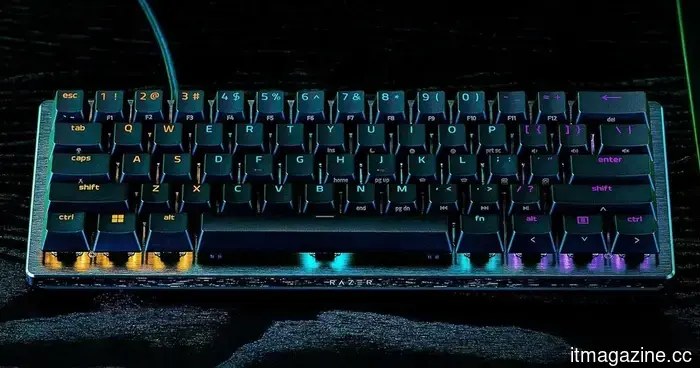 I came across five mechanical keyboards that I would gladly suggest for Back-to-School.
Searching for the ideal back-to-school mechanical keyboard? These five selections provide an excellent combination of comfort, performance, and consistent reliability for everyday use.
I came across five mechanical keyboards that I would gladly suggest for Back-to-School.
Searching for the ideal back-to-school mechanical keyboard? These five selections provide an excellent combination of comfort, performance, and consistent reliability for everyday use.
 Sega's Virtua Fighter Crossroads is set to launch on Nvidia's exciting new RTX Spark PCs.
Sega is releasing Virtua Fighter Crossroads for Nvidia's Arm-based RTX Spark laptops and small desktop computers.
Sega's Virtua Fighter Crossroads is set to launch on Nvidia's exciting new RTX Spark PCs.
Sega is releasing Virtua Fighter Crossroads for Nvidia's Arm-based RTX Spark laptops and small desktop computers.
 Lenovo's latest gaming laptop is the first to include a 240Hz OLED display that is printed using inkjet technology.
Lenovo's latest Legion R9000P is the inaugural laptop to utilize an inkjet-printed OLED display, boasting a 240Hz refresh rate and more than 99% DCI-P3 coverage.
Lenovo's latest gaming laptop is the first to include a 240Hz OLED display that is printed using inkjet technology.
Lenovo's latest Legion R9000P is the inaugural laptop to utilize an inkjet-printed OLED display, boasting a 240Hz refresh rate and more than 99% DCI-P3 coverage.
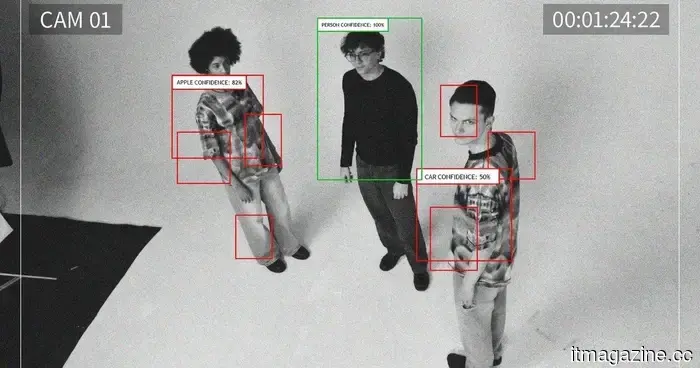 Clothing designed to thwart surveillance is becoming more affordable, but don’t anticipate a cloak of invisibility.
Anti-surveillance clothing is becoming increasingly budget-friendly for everyday wardrobes, but its designs primarily interfere with specific computer vision technologies. At present, it serves more as a declaration of privacy rather than as a dependable form of protection.
Clothing designed to thwart surveillance is becoming more affordable, but don’t anticipate a cloak of invisibility.
Anti-surveillance clothing is becoming increasingly budget-friendly for everyday wardrobes, but its designs primarily interfere with specific computer vision technologies. At present, it serves more as a declaration of privacy rather than as a dependable form of protection.
In what ways do ink tank printers lower printing expenses in the long run?
Although the initial cost of an ink tank printer might be greater, its reduced ink expenses and fewer refills can make it a wiser long-term investment for those who print frequently at home.