
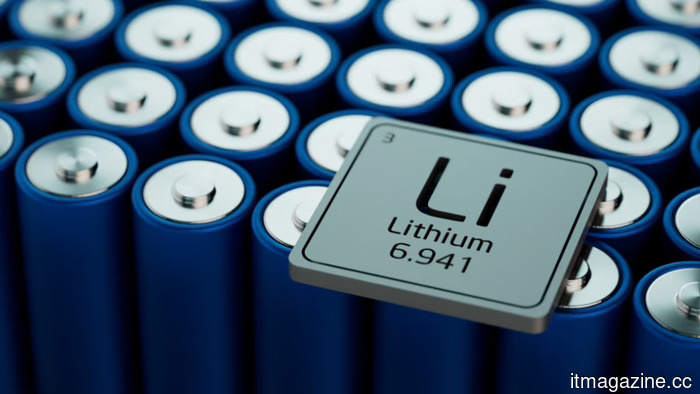
For the first time in ten years, China will impose taxes on lithium and solar batteries, while sodium batteries will remain tax-exempt.
China has ended a decade-long tax exemption on lithium and solar batteries in an effort to address overcapacity issues. However, sodium-ion and solid-state batteries will continue to be tax-exempt until at least 2028. For the first time in ten years, China will implement a consumption tax on lithium-ion and solar batteries, beginning with a 2% tax on lithium-ion batteries this September, set to increase to 4% by September 2027. Solar cells will follow a similar timeline, starting with the tax in April 2027 and reaching 4% by April 2028.
The exemption for both technologies was introduced in 2015 to promote the clean energy transition, a strategy that resulted in Chinese manufacturers leading the global markets for electric vehicle batteries and solar panels. However, rapid capacity growth has led to significant overcapacity and intense competition domestically. Earlier this year, authorities met with top battery producers to caution against aggressive expansion and harmful pricing practices.
Notably, sodium-ion batteries, solid-state batteries, and perovskite solar cells remain exempt from taxes until at least the end of 2028. China is heavily investing in sodium battery technology as a strategic substitute for lithium, which it imports at a rate of 75%. This exemption indicates that Beijing is targeting mature technologies that contribute to overcapacity while safeguarding the emerging ones it aims to develop further.
The new tax will increase expenses for battery manufacturers like CATL and BYD, especially with already narrow profit margins. It may also lead to higher electric vehicle prices in China, where over 200 battery-powered models are offered for under $25,000. The ongoing AI-driven memory shortage has already raised prices for consumer electronics due to supply chain pressures, and this new battery tax adds an additional policy-related cost. For Chinese battery manufacturers exporting to Europe and the US, where tariffs have already impacted margins, this domestic tax presents another challenge.
Other articles
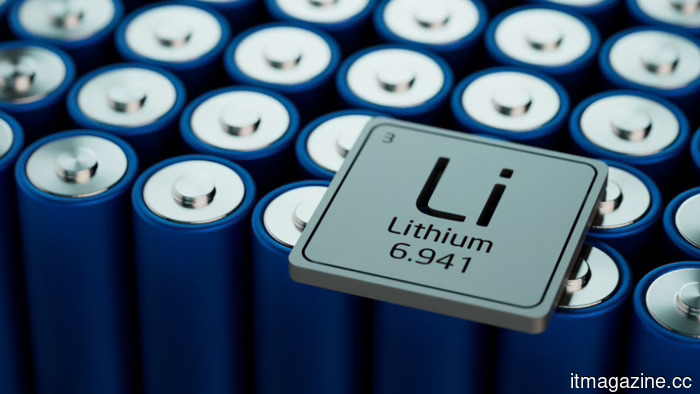 For the first time in ten years, China will impose taxes on lithium and solar batteries, while sodium batteries will continue to be exempt.
China will conclude a decade-long exemption from consumption tax on lithium batteries (2% starting in September, rising to 4% in 2027) and solar cells. However, sodium and solid-state options will remain exempt.
For the first time in ten years, China will impose taxes on lithium and solar batteries, while sodium batteries will continue to be exempt.
China will conclude a decade-long exemption from consumption tax on lithium batteries (2% starting in September, rising to 4% in 2027) and solar cells. However, sodium and solid-state options will remain exempt.
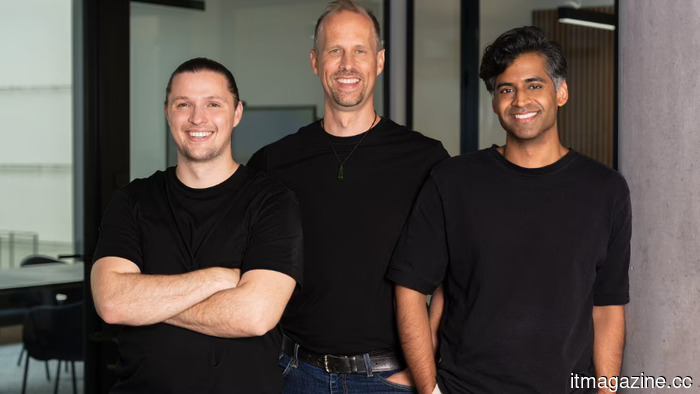 SAP's EUR 1 billion investment in AI focuses on tables rather than chatbots.
SAP has finalized its acquisition of Prior Labs, the creator of TabPFN, a foundational model designed for structured data. This investment, exceeding EUR 1 billion, represents a significant commitment to tabular AI and marks an uncommon success for Europe.
SAP's EUR 1 billion investment in AI focuses on tables rather than chatbots.
SAP has finalized its acquisition of Prior Labs, the creator of TabPFN, a foundational model designed for structured data. This investment, exceeding EUR 1 billion, represents a significant commitment to tabular AI and marks an uncommon success for Europe.
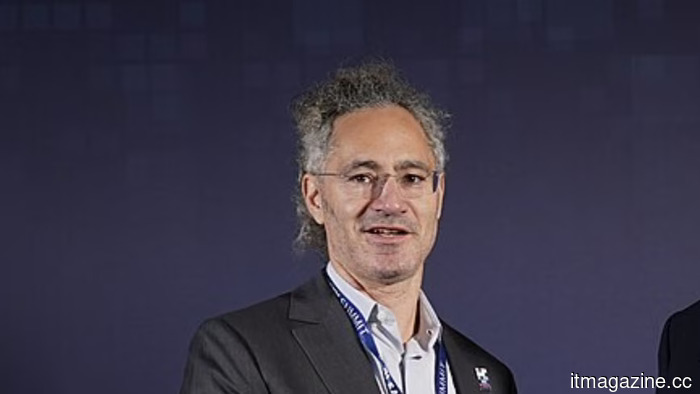 The CEO of Palantir anticipates that AI will increase his wealth by twentyfold while middle-class employees receive only small salary increases.
Alex Karp stated that AI might increase his $15 billion fortune to $300 billion, while average salaries might only double. He described the disparity as a "complete decoupling" and labeled it "a problem for society."
The CEO of Palantir anticipates that AI will increase his wealth by twentyfold while middle-class employees receive only small salary increases.
Alex Karp stated that AI might increase his $15 billion fortune to $300 billion, while average salaries might only double. He described the disparity as a "complete decoupling" and labeled it "a problem for society."
 Zoox, a subsidiary of Amazon, has recalled 105 robotaxis following an incident where one of the vehicles entered a dense smoke area at an ongoing fire site.
Last month, a Zoox robotaxi arrived at an emergency scene in Las Vegas that was filled with smoke. This recall comes in response to a directive from the NHTSA requiring autonomous vehicle companies to address issues related to first responders.
Zoox, a subsidiary of Amazon, has recalled 105 robotaxis following an incident where one of the vehicles entered a dense smoke area at an ongoing fire site.
Last month, a Zoox robotaxi arrived at an emergency scene in Las Vegas that was filled with smoke. This recall comes in response to a directive from the NHTSA requiring autonomous vehicle companies to address issues related to first responders.
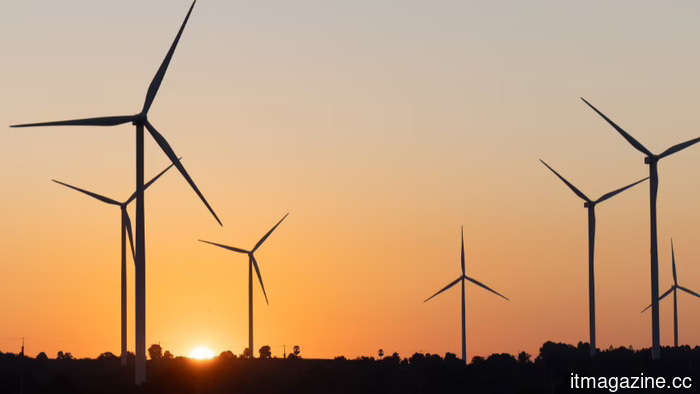 The Pentagon has halted 155 wind projects across 24 states, citing concerns that drones could use wind farms for concealment.
The year-long halt impacts 44GW of capacity and has resulted in $2 billion in losses for developers. The wind industry claims it is driven by political motives. A legal action is currently in progress.
The Pentagon has halted 155 wind projects across 24 states, citing concerns that drones could use wind farms for concealment.
The year-long halt impacts 44GW of capacity and has resulted in $2 billion in losses for developers. The wind industry claims it is driven by political motives. A legal action is currently in progress.
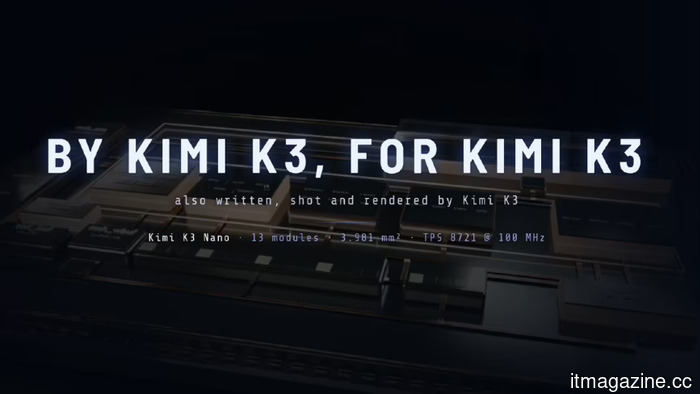 Trump's AI advisor states that Kimi K3 demonstrates
Kimi K3 reached the top of coding leaderboards in just one day. Sacks cautioned regarding US regulations. Khosla attributed issues to immigration. Marcus raised questions about the $1 trillion in US AI capital expenditures compared to China's expenditure.
Trump's AI advisor states that Kimi K3 demonstrates
Kimi K3 reached the top of coding leaderboards in just one day. Sacks cautioned regarding US regulations. Khosla attributed issues to immigration. Marcus raised questions about the $1 trillion in US AI capital expenditures compared to China's expenditure.
For the first time in ten years, China will impose taxes on lithium and solar batteries, while sodium batteries will remain tax-exempt.
China is discontinuing a 10-year exemption from consumption tax on lithium batteries (2% starting in September, 4% beginning in 2027) and solar cells. However, sodium and solid-state options will remain exempt.