
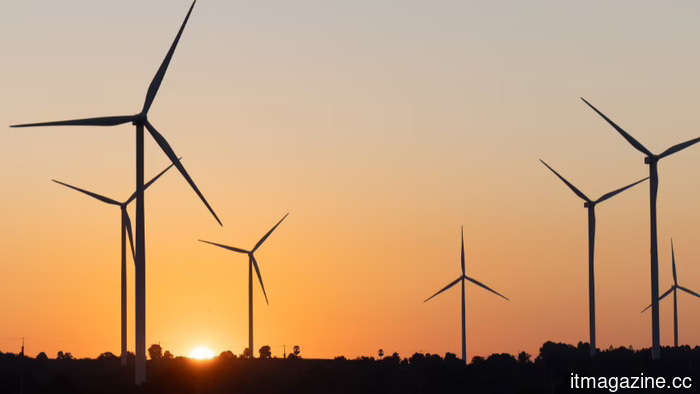
The Pentagon has halted 155 wind projects across 24 states, citing concerns that drones could use wind farms for concealment.
The Pentagon has halted the permitting process for 155 wind projects (44GW) across 24 states for almost a year due to concerns that drones could conceal themselves among wind turbines and avoid radar detection. Developers have incurred $2 billion in losses. The industry has filed a lawsuit, alleging the freeze is driven by political motives.
The affected wind projects could generate 44 gigawatts of power, which is four times the capacity of the offshore wind projects that the Trump administration previously terminated through $2.6 billion in federal payments, as reported by Grist. Wind turbines cause “blade flash” on radar screens, and their steel structures can reflect electromagnetic waves, making it challenging to differentiate turbines from aircraft. The Pentagon has assessed wind projects for over ten years and has required developers to fund radar enhancements. However, the department now claims these upgrades may not adequately address the threat posed by small, lethal drones that could navigate through wind farms undetected. Developers say they have faced $2 billion in extra costs during this permitting freeze.
The wind industry argues that this freeze stems from political motivations. A group of renewable energy organizations filed a lawsuit against the Department of Defense in May, claiming the permitting halt represents “the most damaging new tactic” in an “unprecedented campaign” against the industry. The lawsuit states that the freeze was implemented without the necessary public notice or transparency required for a federal rule change. The Pentagon, however, contends that this is merely a delay rather than a rule change. The Trump administration has been altering defense technology policies across various sectors, from AI regulation to autonomous weapons and now wind energy permitting.
Some developers may have already missed a construction deadline on July 4 to qualify for federal tax credits under the One Big Beautiful Bill Act. Fifty-five Democratic representatives have requested a private briefing from the Pentagon regarding these delays, but the Pentagon has yet to respond. In contrast to Europe’s rapidly evolving energy infrastructure amidst different political dynamics, the U.S. faces 44 gigawatts of idle wind capacity while the administration argues that national security considerations take precedence over development interests.
Other articles
 ASML will award each employee a €20,000 bonus due to record sales fueled by the growing demand for AI.
ASML's 45,000 staff members will get a one-time share grant of €20,000, which will mature in 2030. This year, Samsung, SK Hynix, and TSMC have also issued comparable payments.
ASML will award each employee a €20,000 bonus due to record sales fueled by the growing demand for AI.
ASML's 45,000 staff members will get a one-time share grant of €20,000, which will mature in 2030. This year, Samsung, SK Hynix, and TSMC have also issued comparable payments.
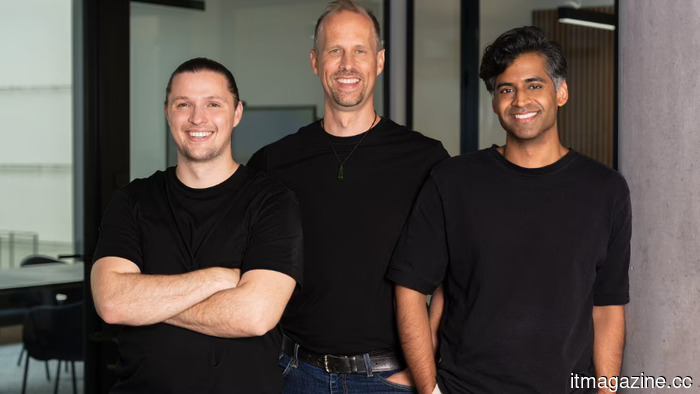 SAP's EUR 1 billion investment in AI focuses on tables rather than chatbots.
SAP has finalized its acquisition of Prior Labs, the creator of TabPFN, a foundational model designed for structured data. This investment, exceeding EUR 1 billion, represents a significant commitment to tabular AI and marks an uncommon success for Europe.
SAP's EUR 1 billion investment in AI focuses on tables rather than chatbots.
SAP has finalized its acquisition of Prior Labs, the creator of TabPFN, a foundational model designed for structured data. This investment, exceeding EUR 1 billion, represents a significant commitment to tabular AI and marks an uncommon success for Europe.
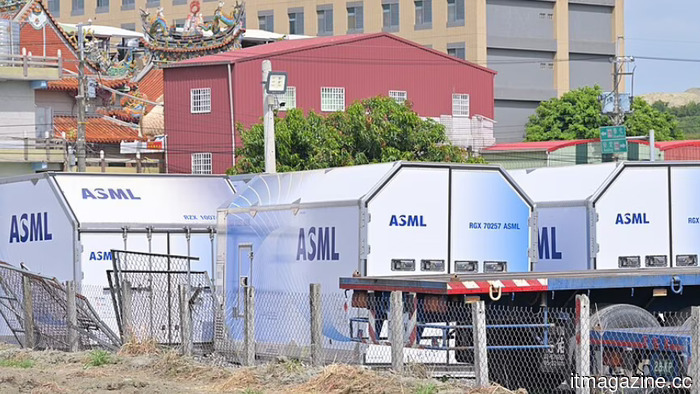 ASML will award a €20,000 bonus to each employee as record sales are driven by the demand for AI.
ASML's 45,000 staff will be granted a one-time share award of €20,000, which will vest in 2030. This year, Samsung, SK Hynix, and TSMC have also implemented similar distributions.
ASML will award a €20,000 bonus to each employee as record sales are driven by the demand for AI.
ASML's 45,000 staff will be granted a one-time share award of €20,000, which will vest in 2030. This year, Samsung, SK Hynix, and TSMC have also implemented similar distributions.
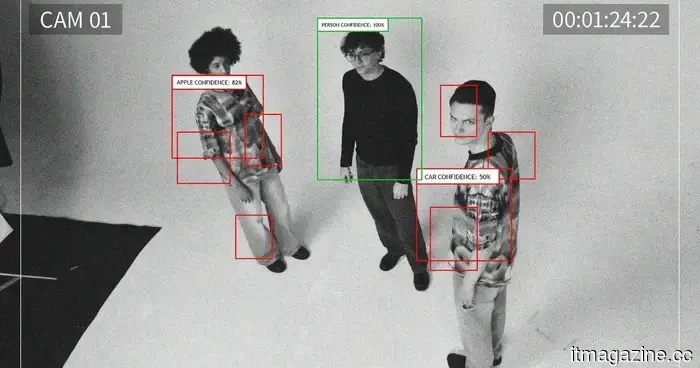 Clothing designed to counteract surveillance is becoming more affordable, but don’t anticipate an invisibility cloak.
Anti-surveillance clothing is becoming accessible enough for everyday wardrobes, but its designs only deceive specific computer vision systems. At this moment, it serves more effectively as a statement for privacy rather than as dependable protection.
Clothing designed to counteract surveillance is becoming more affordable, but don’t anticipate an invisibility cloak.
Anti-surveillance clothing is becoming accessible enough for everyday wardrobes, but its designs only deceive specific computer vision systems. At this moment, it serves more effectively as a statement for privacy rather than as dependable protection.
 Zoox, a subsidiary of Amazon, has recalled 105 robotaxis following an incident where one of the vehicles entered a dense smoke area at an ongoing fire site.
Last month, a Zoox robotaxi arrived at an emergency scene in Las Vegas that was filled with smoke. This recall comes in response to a directive from the NHTSA requiring autonomous vehicle companies to address issues related to first responders.
Zoox, a subsidiary of Amazon, has recalled 105 robotaxis following an incident where one of the vehicles entered a dense smoke area at an ongoing fire site.
Last month, a Zoox robotaxi arrived at an emergency scene in Las Vegas that was filled with smoke. This recall comes in response to a directive from the NHTSA requiring autonomous vehicle companies to address issues related to first responders.
 Netflix reports that it has employed AI in more than 300 titles, and there’s no turning back now.
Netflix indicates that generative AI played a role in approximately 300 productions in 2026, assisting creators in rapidly and cost-effectively developing crowds, battles, environments, and various sequences.
Netflix reports that it has employed AI in more than 300 titles, and there’s no turning back now.
Netflix indicates that generative AI played a role in approximately 300 productions in 2026, assisting creators in rapidly and cost-effectively developing crowds, battles, environments, and various sequences.
The Pentagon has halted 155 wind projects across 24 states, citing concerns that drones could use wind farms for concealment.
The year-long halt impacts 44GW of capacity and has resulted in $2 billion in losses for developers. The wind industry claims it is driven by political motives. A legal action is currently in progress.