
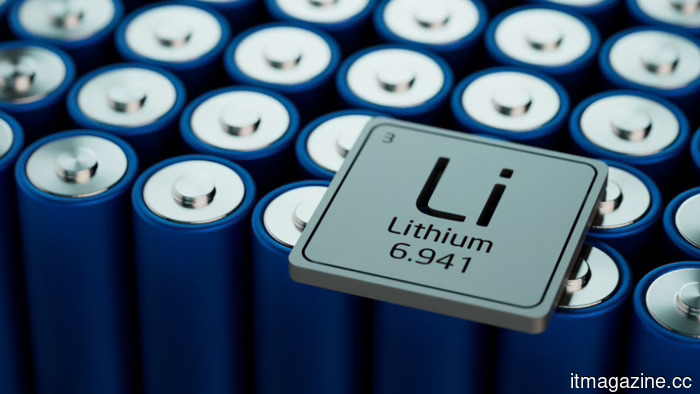
For the first time in ten years, China will impose taxes on lithium and solar batteries, while sodium batteries will continue to be exempt.
China is ending a decade-long tax exemption on lithium and solar batteries to address overcapacity issues. Sodium-ion and solid-state batteries will continue to be exempt until 2028. Starting this September, a 2% consumption tax on lithium-ion batteries will be introduced, increasing to 4% in September 2027. Solar cells will follow this trend, with a 4% tax commencing in April 2028.
The Chinese government had exempted these technologies from the consumption tax in 2015 to promote the clean energy transition, a strategy that has successfully positioned Chinese manufacturers as leaders in the global markets for EV batteries and solar panels. However, extensive capacity expansion has led to significant overcapacity and fierce competition domestically. Earlier this year, authorities convened top battery manufacturers to caution against unchecked growth and aggressive pricing.
Notably, sodium-ion batteries, solid-state batteries, and perovskite solar cells will remain exempt from taxes until at least the end of 2028. China is making substantial investments in sodium battery technology as a strategic alternative to lithium, which it largely imports. The structure of this exemption highlights Beijing's intent to tax established technologies facing overcapacity while supporting the development of newer technologies.
This new tax will increase costs for battery producers like CATL and BYD during a time of already narrow profit margins. It may also result in higher EV prices in China, where over 200 electric models are available for under $25,000. The ongoing AI-driven memory shortage has already raised prices in consumer electronics due to supply chain pressures, and this battery tax introduces an additional cost burden. For Chinese battery manufacturers exporting to Europe and the US—where tariffs are already pressuring margins—the domestic tax presents another challenge.
Other articles
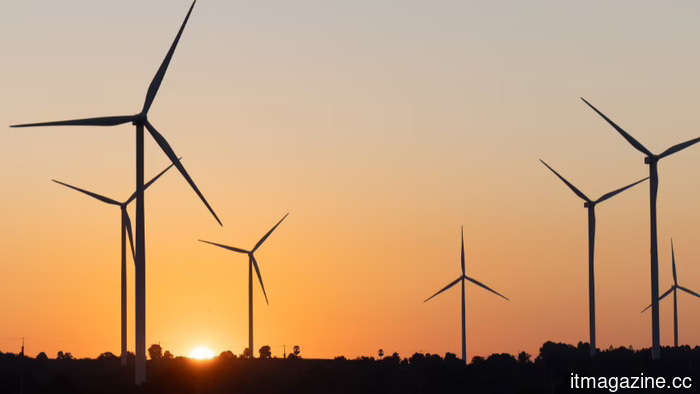 The Pentagon has halted 155 wind projects across 24 states, citing concerns that drones could use wind farms for concealment.
The year-long halt impacts 44GW of capacity and has resulted in $2 billion in losses for developers. The wind industry claims it is driven by political motives. A legal action is currently in progress.
The Pentagon has halted 155 wind projects across 24 states, citing concerns that drones could use wind farms for concealment.
The year-long halt impacts 44GW of capacity and has resulted in $2 billion in losses for developers. The wind industry claims it is driven by political motives. A legal action is currently in progress.
 A new open-weight AI from China is surpassing the leading models from OpenAI and Claude Fable.
Moonshot's Kimi K3, with its 2.8 trillion parameters, nearly matches Fable 5 and GPT 5.6 Sol across multiple benchmarks, all while maintaining open weight.
A new open-weight AI from China is surpassing the leading models from OpenAI and Claude Fable.
Moonshot's Kimi K3, with its 2.8 trillion parameters, nearly matches Fable 5 and GPT 5.6 Sol across multiple benchmarks, all while maintaining open weight.
 Anthropic is in preliminary discussions to secure a lease of $10 billion in computing resources from Meta.
The agreement would come after Anthropic's $1.25B monthly arrangement with SpaceX for Colossus. Meanwhile, Meta is developing a cloud business to capitalize on $145B invested in AI infrastructure.
Anthropic is in preliminary discussions to secure a lease of $10 billion in computing resources from Meta.
The agreement would come after Anthropic's $1.25B monthly arrangement with SpaceX for Colossus. Meanwhile, Meta is developing a cloud business to capitalize on $145B invested in AI infrastructure.
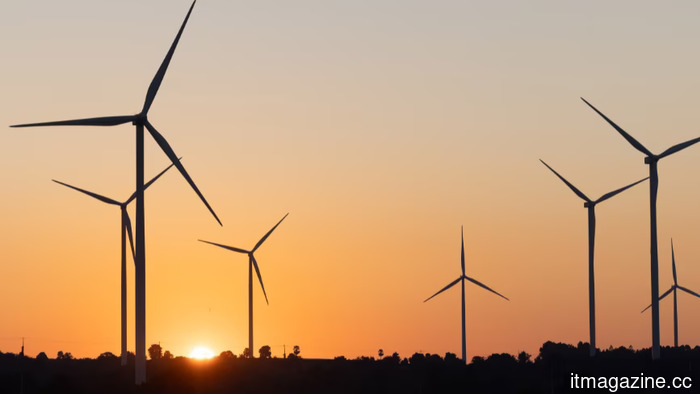 The Pentagon has halted 155 wind projects across 24 states, stating that drones could conceal themselves within wind farms.
The year-long halt impacts 44GW of capacity and has resulted in $2 billion in losses for developers. The wind industry claims it is driven by political motives. A lawsuit is currently in progress.
The Pentagon has halted 155 wind projects across 24 states, stating that drones could conceal themselves within wind farms.
The year-long halt impacts 44GW of capacity and has resulted in $2 billion in losses for developers. The wind industry claims it is driven by political motives. A lawsuit is currently in progress.
 Amazon's Zoox reissues a recall for 105 robotaxis following an incident where one entered thick smoke at the site of an ongoing fire.
A Zoox robotaxi drove into a smoke-filled emergency situation in Las Vegas last month. This recall comes after the NHTSA issued a directive requiring autonomous vehicle companies to address problems related to first responders.
Amazon's Zoox reissues a recall for 105 robotaxis following an incident where one entered thick smoke at the site of an ongoing fire.
A Zoox robotaxi drove into a smoke-filled emergency situation in Las Vegas last month. This recall comes after the NHTSA issued a directive requiring autonomous vehicle companies to address problems related to first responders.
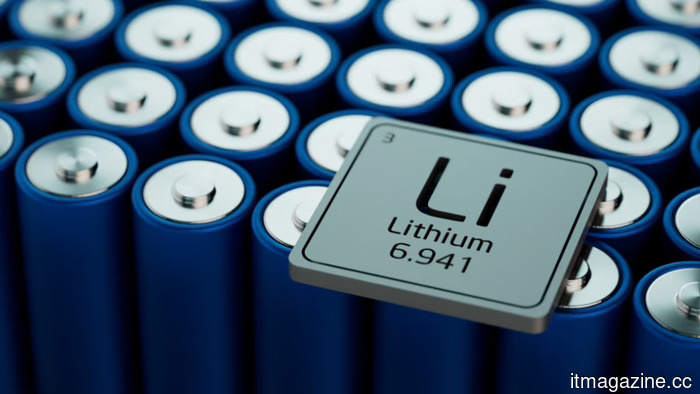 For the first time in ten years, China will impose taxes on lithium and solar batteries, while sodium batteries will remain tax-exempt.
China is discontinuing a 10-year exemption from consumption tax on lithium batteries (2% starting in September, 4% beginning in 2027) and solar cells. However, sodium and solid-state options will remain exempt.
For the first time in ten years, China will impose taxes on lithium and solar batteries, while sodium batteries will remain tax-exempt.
China is discontinuing a 10-year exemption from consumption tax on lithium batteries (2% starting in September, 4% beginning in 2027) and solar cells. However, sodium and solid-state options will remain exempt.
For the first time in ten years, China will impose taxes on lithium and solar batteries, while sodium batteries will continue to be exempt.
China will conclude a decade-long exemption from consumption tax on lithium batteries (2% starting in September, rising to 4% in 2027) and solar cells. However, sodium and solid-state options will remain exempt.