

China's smartphone shipments have declined for the fifth consecutive quarter due to the impact of memory costs.
For the fifth consecutive quarter, there were fewer phone shipments from Chinese warehouses compared to the previous year. According to data released by IDC on Tuesday, shipments declined by 4.3% to 66 million units in the second quarter as manufacturers increased prices to offset the rising costs of memory and other components.
Shipments in the first half of the year were down 4.2% compared to the same period last year. A decline of this duration moves beyond merely a temporary dip and begins to reflect the overall market trend. Only two manufacturers experienced growth: Huawei shipped 19.4% more phones than it did a year prior, while Apple’s shipments increased by 24.4%, capturing 22.6% and 18.1% of the market, respectively.
All other brands saw declines. Xiaomi, in fifth place, reported a shipment decrease of 21.7%, while Oppo and Vivo saw decreases of 9.7% and 11.4%, respectively. The key differentiator between the winners and the rest was not a product innovation cycle, but rather their pricing strategies.
“Huawei and Apple maintained stable prices while their competitors were raising theirs, providing cautious buyers with an incentive to purchase during a quarter when most of the market was encouraging them to delay,” stated Arthur Guo, a senior analyst at IDC China.
The rationale behind the price increases among competitors can be traced back to factors far removed from retail. DRAM prices have spiked as a few manufacturers that dominate global memory production redirect their wafer capacities towards the high-bandwidth components required by AI accelerators, leaving the smartphone sector competing for the leftover supply.
Budget smartphones are hit the hardest, as these lower-cost devices have the narrowest margins to absorb components that have seen price hikes. Consequently, an AI surge is gradually affecting entry-level phones, one component at a time.
According to IDC, most Android manufacturers opted to raise prices or reduce their budget offerings, which is an effective way to convince price-sensitive consumers to retain the phones they already own. The diminishing impact of government subsidies has also removed a previous support mechanism for demand in past quarters.
This trend is not exclusive to China. IDC now predicts a global smartphone shipment decline of 13.9% in 2026, falling to 1.09 billion units, marking the industry's steepest annual downturn, with China alone expected to drop approximately 13% within the year.
The first quarter already indicated this downward trajectory, as shipments in China fell 3.3% from January to March, with Huawei and Apple once again propping up the market. Rival data tracker Omdia noted a 1% decline during the same timeframe, influenced by rising device prices.
The global forecast itself is a revision downwards. IDC had originally projected a 12.9% decline as recently as February, with the additional decrease largely attributed to low-end Android manufacturers struggling to adjust to the new cost structure.
Apple’s performance in China is not a recent development, having reported around a 20% increase in shipments in the first quarter according to Counterpoint, marking the fastest growth among major players, which continued into the second quarter.
Xiaomi’s 21.7% decrease is the steepest among the leading brands, occurring at a time when the company’s narrative has shifted to focus on its electric vehicle deliveries rather than smartphone sales. Oppo and Vivo experienced smaller declines but were similarly affected.
None of the top five manufacturers have publicly attributed their challenges solely to memory costs, and they’ve generally been reticent regarding their pricing strategies. However, the trends in shipment data clearly indicate that the two companies maintaining their prices are the ones that achieved increased phone sales.
Future relief will come from semiconductor fabrication rather than marketing efforts. Memory manufacturers are swiftly working to boost capacity, while Seoul has been in discussions with Samsung and SK Hynix regarding a second domestic semiconductor cluster, although most projections suggest meaningful new supply will not arrive before late 2027.
In the meantime, the Chinese market serves as a proving ground for which companies can sustain their pricing; Huawei and Apple managed to do so for one quarter. The upcoming third-quarter figures, expected in the fall alongside the next iPhone launch, will reveal whether this was a strategic move or merely a fleeting moment.
Other articles
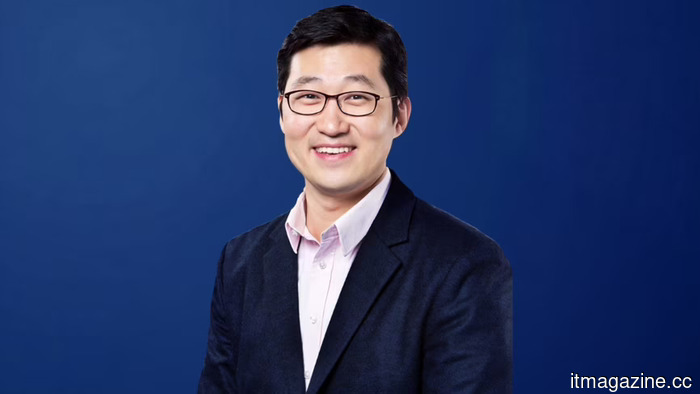 The Seoul court has put a hold on the decision that designated Coupang's founder as its controlling individual.
The Seoul High Court has put a halt to the FTC’s classification of Coupang founder Bom Kim as the controlling figure of the group while his legal case against the regulator is ongoing.
The Seoul court has put a hold on the decision that designated Coupang's founder as its controlling individual.
The Seoul High Court has put a halt to the FTC’s classification of Coupang founder Bom Kim as the controlling figure of the group while his legal case against the regulator is ongoing.
 Intel invests $5.7 billion in the production of Xeon processors in Ireland.
Intel is allocating €5 billion ($5.7 billion) to enhance its Leixlip campus in Ireland and to manufacture additional Xeon processors on the Intel 3 node, with the majority of the expenditure expected by 2027.
Intel invests $5.7 billion in the production of Xeon processors in Ireland.
Intel is allocating €5 billion ($5.7 billion) to enhance its Leixlip campus in Ireland and to manufacture additional Xeon processors on the Intel 3 node, with the majority of the expenditure expected by 2027.
 Canada's banking regulator issued a warning to banks regarding Claude Mythos.
An email from April, made public through access-to-information regulations, reveals that Canada’s OSFI has cautioned bank technology leaders regarding Anthropic’s Claude Mythos.
Canada's banking regulator issued a warning to banks regarding Claude Mythos.
An email from April, made public through access-to-information regulations, reveals that Canada’s OSFI has cautioned bank technology leaders regarding Anthropic’s Claude Mythos.
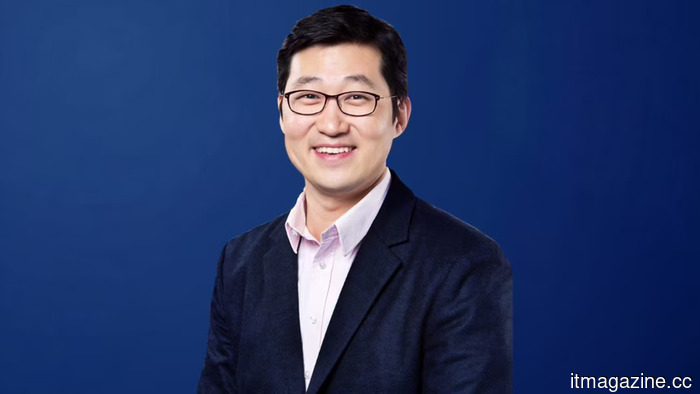 The Seoul court has put a hold on the ruling that designates Coupang's founder as its controlling individual.
The Seoul High Court has put on hold the FTC’s classification of Coupang founder Bom Kim as the controlling figure of the group while his lawsuit against the regulator is ongoing.
The Seoul court has put a hold on the ruling that designates Coupang's founder as its controlling individual.
The Seoul High Court has put on hold the FTC’s classification of Coupang founder Bom Kim as the controlling figure of the group while his lawsuit against the regulator is ongoing.
 NestAI from Finland is developing the AI component that European armed forces aim to possess.
Finland, Estonia, and the Helsinki-based lab NestAI have established a defense AI agreement. There is no financial exchange involved. The emphasis is on maintaining sovereign control over the code.
NestAI from Finland is developing the AI component that European armed forces aim to possess.
Finland, Estonia, and the Helsinki-based lab NestAI have established a defense AI agreement. There is no financial exchange involved. The emphasis is on maintaining sovereign control over the code.
 The Pentagon has temporarily halted the cyber audit regulation that was driving small suppliers away.
The Pentagon has halted CMMC Phase 2 cybersecurity audits, citing high costs and a lack of assessors as factors pushing small contractors out of the process.
The Pentagon has temporarily halted the cyber audit regulation that was driving small suppliers away.
The Pentagon has halted CMMC Phase 2 cybersecurity audits, citing high costs and a lack of assessors as factors pushing small contractors out of the process.
China's smartphone shipments have declined for the fifth consecutive quarter due to the impact of memory costs.
In the second quarter of 2026, China's smartphone shipments decreased by 4.3% to 66 million units, marking the fifth consecutive decline, primarily due to rising memory costs which increased Android pricing. Meanwhile, Huawei and Apple experienced growth.