
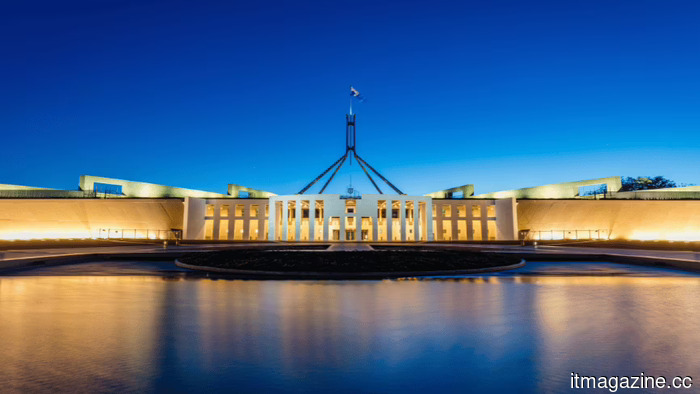
Australia's AI copyright dispute: creators versus data centers.
The battle over Australia's AI copyright comes with a hefty cost: tens of billions for datacentres. AI companies are vying for the ability to utilize the country's literature, music, and journalism for training their models. Australia has emerged as the latest test case for a pressing issue that all governments are currently grappling with: to what extent can AI companies utilize a nation’s creative assets, and what compensation is appropriate.
This debate is causing divisions within the governing Labor party and has sparked protests from creators like authors and musicians. Moreover, as reported by The Guardian, the prospect of a datacentre boom is enticing ministers. Prime Minister Anthony Albanese is expected to articulate his stance in an important AI address later this week.
What the exemption would entail
At the core of the copyright dispute in Australia is a proposed “text and data mining” exemption. This would permit AI companies to extract copyrighted materials for model training without violating Australian laws. Similar practices are already employed by ChatGPT, Gemini, and Anthropic's Claude. Last year, the government dismissed the proposal after significant backlash from creators.
Attorney General Michelle Rowland rejected a Productivity Commission proposal in October and initiated discussions on alternatives, including a paid licensing framework. Officially, the exemption has been taken off the agenda.
The ‘ultimate dirty deal’
Creators remain skeptical. Continuous lobbying and a whistleblower's tip to independent senator David Pocock have reignited concerns over the potential return of the exemption. In late June, Pocock revealed he had learned of an industry initiative to exchange a copyright exemption for investment in datacentres.
The proposed amounts: at least $50 billion for datacentres, along with a creators’ fund of approximately $350 million annually. He referred to it as the “ultimate dirty deal.” The government disputed this characterization as inaccurate. Shortly afterward, the Australian Financial Review reported that Anthropic was pursuing a similar arrangement, part of its plan to establish a significant presence in Australia outside the United States.
A government at odds with itself
This dispute has highlighted a rift within Labor. Industry Minister Tim Ayres and Digital Economy Assistant Minister Andrew Charlton are eager to attract AI investments, while Rowland and Arts Minister Tony Burke emphasize the need to safeguard creators' rights.
Albanese is attempting to appease both factions. He cites his history of ensuring that tech companies compensate for local content while describing the situation as “complex.” His upcoming speech is expected to outline a vision rather than concrete policy, likely leaving the issues unresolved.
The leverage dilemma
Beneath the copyright debate lies a larger wager on datacentres. Australia is an appealing host: stable, land-rich, and with access to renewable energy sources. Frontier AI firms have indicated to the government that copyright laws present their “main barrier” to establishing training operations in the country. Former Industry Minister Ed Husic believes Canberra is acting too hastily.
“We have negotiating leverage here,” he cautioned, urging against a rushed decision that the nation might come to regret. Others within Labor argue that resistance to datacentres resembles nimbyism. They contend that clear national regulations would secure Australia's competitive position in the global race.
Why this matters beyond Australia
The significance of these issues extends beyond Canberra. Australia is grappling with challenges that are also emerging in Europe, where text and data mining exemptions are already established and creators are contesting the scope of these exceptions. In Europe, newspapers are taking AI companies to court over training data, and artists are filing disclosure claims in legal proceedings.
The prospect of datacentre investments introduces a new variable. Governments must balance this potential influx against the rights of the individuals whose work contributes to training AI models. Australia is poised to reveal the value of a creative economy in light of an industry willing to invest billions to circumvent it.
Public sentiment appears cautious, with only 22% of Australians believing that AI presents more opportunities than risks.
Other articles
 The AI memory shortage will not improve until 2028.
The surge in AI has disrupted the typical boom-bust cycle of the memory market. The current memory shortage caused by AI is expected to persist until 2028, and the subsequent downturn could be unprecedented.
The AI memory shortage will not improve until 2028.
The surge in AI has disrupted the typical boom-bust cycle of the memory market. The current memory shortage caused by AI is expected to persist until 2028, and the subsequent downturn could be unprecedented.
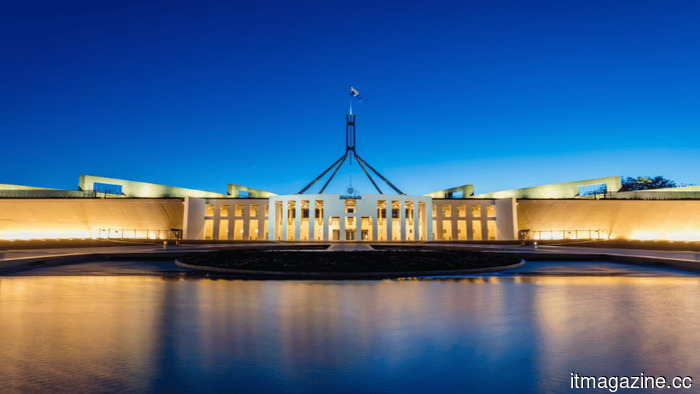 Australia's AI copyright dispute: creators against data centers.
AI companies, such as Anthropic, are offering billions for datacentres in exchange for a specific Australian AI copyright exemption to utilize domestic work for training. There is a division within the Labor Party on this issue.
Australia's AI copyright dispute: creators against data centers.
AI companies, such as Anthropic, are offering billions for datacentres in exchange for a specific Australian AI copyright exemption to utilize domestic work for training. There is a division within the Labor Party on this issue.
 The pressure on AI memory is not expected to alleviate until 2028.
The surge in AI has disrupted the boom-bust cycle of the memory market. The current memory shortage driven by AI is expected to persist until 2028, and the subsequent downturn could be unprecedented.
The pressure on AI memory is not expected to alleviate until 2028.
The surge in AI has disrupted the boom-bust cycle of the memory market. The current memory shortage driven by AI is expected to persist until 2028, and the subsequent downturn could be unprecedented.
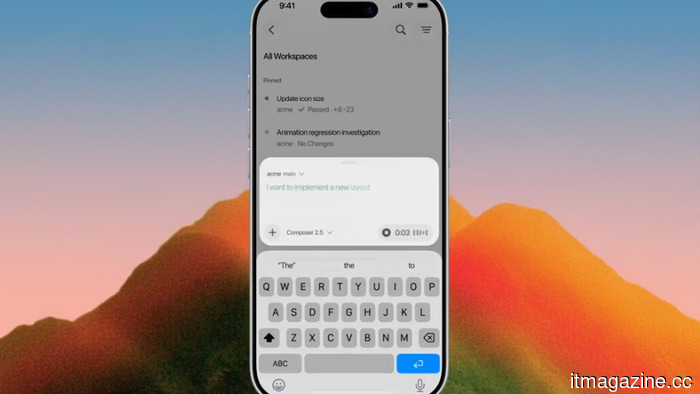 Cursor Sand: the competitor to Claude Cowork with a Musk twist.
Cursor Sand is a versatile agent designed to compete with Claude Cowork and ChatGPT Work. It's uncertain if Musk's SpaceX will eventually release it.
Cursor Sand: the competitor to Claude Cowork with a Musk twist.
Cursor Sand is a versatile agent designed to compete with Claude Cowork and ChatGPT Work. It's uncertain if Musk's SpaceX will eventually release it.
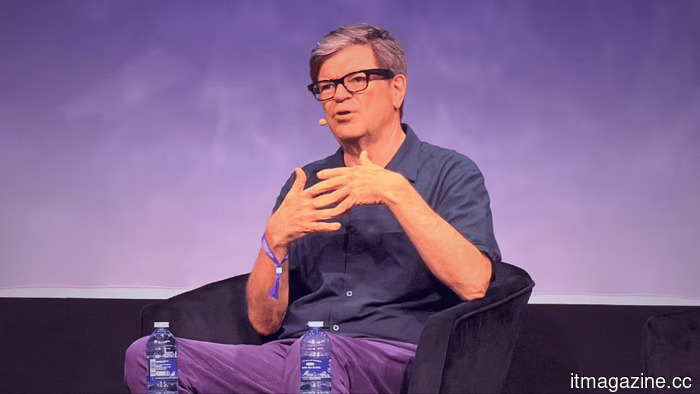 Yann LeCun's venture capital fund, Extelligence, crumbles within hours.
Yann LeCun was appointed as a partner at the new venture capital firm Extelligence Invest. However, within eight hours, the fund was dissolved due to unspecified 'exclusive relationships'.
Yann LeCun's venture capital fund, Extelligence, crumbles within hours.
Yann LeCun was appointed as a partner at the new venture capital firm Extelligence Invest. However, within eight hours, the fund was dissolved due to unspecified 'exclusive relationships'.
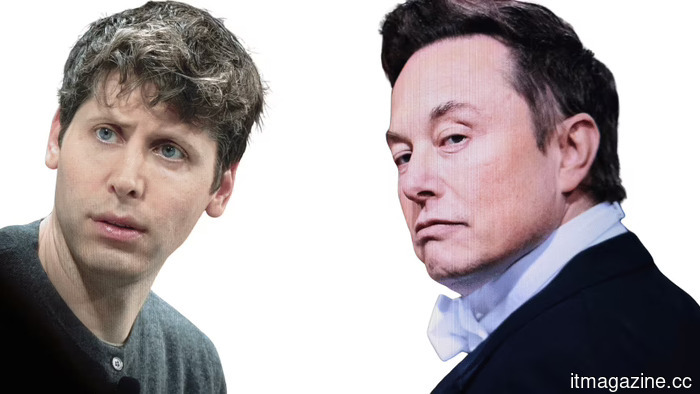 'Scam Altman': Musk and Altman's weekend clash on X
Over the weekend, Musk referred to Sam Altman as a 'scammer' on X following Apple's lawsuit against OpenAI. In response, Altman suggested that the lawsuit demonstrated the effectiveness of his new model. Here's a look at the ongoing conflict.
'Scam Altman': Musk and Altman's weekend clash on X
Over the weekend, Musk referred to Sam Altman as a 'scammer' on X following Apple's lawsuit against OpenAI. In response, Altman suggested that the lawsuit demonstrated the effectiveness of his new model. Here's a look at the ongoing conflict.
Australia's AI copyright dispute: creators versus data centers.
AI companies, such as Anthropic, are offering billions in data center investments for an exemption in Australian copyright laws to use local content for training. The Labor party is divided on the issue.