
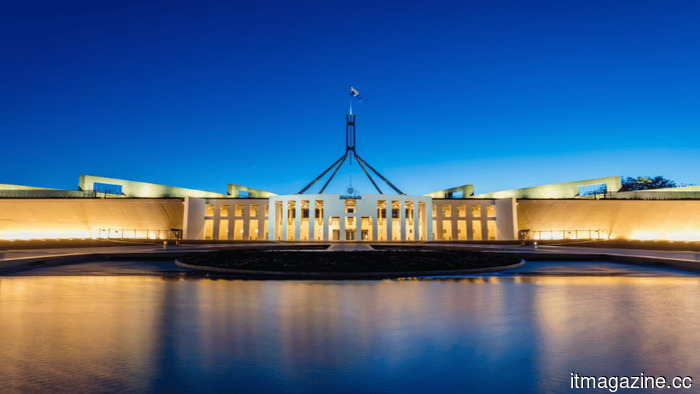
Australia's AI copyright dispute: creators against data centers.
The battle surrounding AI copyright in Australia comes with a hefty price tag: tens of billions in datacentres. For AI companies, the goal is to gain access to the country's books, music, and journalism for training purposes. Australia has emerged as the latest testing ground for a dilemma that governments worldwide are currently grappling with: how much of a nation's creative output can AI firms utilize for training, and at what cost?
This issue is causing division within the governing Labor party and prompting protests from creators. Moreover, as reported by The Guardian, it has caught the attention of ministers drawn by the prospect of a datacentre boom. Prime Minister Anthony Albanese is expected to outline his position in a significant speech on AI this week.
What the exemption would entail
At the heart of the AI copyright debate in Australia is a proposed exemption for "text and data mining." This would enable AI companies to collect copyrighted material for model training without violating Australian law. The same kind of content is already being used to train models like ChatGPT, Gemini, and Anthropic’s Claude. However, following backlash from creators, the government dismissed this idea last year.
Attorney General Michelle Rowland rejected a Productivity Commission proposal in October and initiated discussions on alternatives, including a paid licensing model. Officially, the exemption is currently off the table.
The 'ultimate dirty deal'
Creators remain skeptical. Persistent lobbying, coupled with a whistleblower alerting independent senator David Pocock, has rekindled concerns that the exemption could resurface. In late June, Pocock revealed that he had learned of an industry campaign to exchange a copyright exemption for datacentre investment.
The rumored figures include at least $50 billion for datacentres, along with a creators’ fund estimated at around $350 million annually. Pocock labeled it the “ultimate dirty deal.” The government has dismissed this narrative as inaccurate. Shortly after, the Australian Financial Review reported that Anthropic was pursuing a deal of that nature, as part of a strategy to establish a strong presence in Australia outside the U.S.
A government in conflict
This controversy has highlighted divisions within the Labor party. The industry minister, Tim Ayres, and the assistant minister for the digital economy, Andrew Charlton, are eager to attract AI investment. Meanwhile, Rowland and Arts Minister Tony Burke are focused on safeguarding the interests of creators.
Albanese has attempted to balance the concerns of both factions, citing his history of ensuring that tech companies contribute to local content while describing the issues as “complex.” His speech on Wednesday is expected to be more of a vision statement rather than concrete policy, likely failing to resolve the tensions.
The leverage dilemma
Underlying the copyright debate is a greater consideration regarding datacentres. Australia represents an appealing location: stable, abundant in land, and equipped with renewable energy resources. Frontier AI companies have conveyed to the government that copyright law is their "primary obstacle" to establishing training operations there. Ed Husic, the former industry minister, believes Canberra is acting too hastily, stating, “We have negotiating leverage here,” and cautioned against making impulsive decisions that might lead to future regret. Others within Labor contend that opposing datacentres reflects a form of nimbyism. They argue that clear national regulations would ensure Australia's place in the global race.
Why this matters beyond Australia
The implications extend beyond Canberra. Australia is confronting a challenge that is also emerging across Europe. In Europe, text and data mining exemptions are already legislated, and creators are currently debating the extent of these opt-outs. Newspapers have launched lawsuits against AI companies concerning training data, while artists are pursuing disclosure claims in court.
Datacentre investments are a new variable in this equation. Governments must start balancing such investments against the rights of those whose creations are utilized for training AI models. Australia is poised to demonstrate the value of a creative economy when an industry is willing to offer billions to circumvent it.
The public appears cautious, with only 22% of Australians believing that AI presents more opportunities than risks.
Other articles
 Never-skilling: studies indicate that junior developers who rely on AI do not acquire debugging skills.
A randomized trial showed that developers utilizing AI scored 50% on a quiz concerning code they had just created, compared to 67% for those who coded manually.
Never-skilling: studies indicate that junior developers who rely on AI do not acquire debugging skills.
A randomized trial showed that developers utilizing AI scored 50% on a quiz concerning code they had just created, compared to 67% for those who coded manually.
 Never-skilling: studies indicate that junior developers utilizing AI fail to acquire debugging skills.
A randomized trial revealed that developers utilizing AI achieved a score of 50% on a quiz regarding code they had recently created, compared to 67% for those who coded manually.
Never-skilling: studies indicate that junior developers utilizing AI fail to acquire debugging skills.
A randomized trial revealed that developers utilizing AI achieved a score of 50% on a quiz regarding code they had recently created, compared to 67% for those who coded manually.
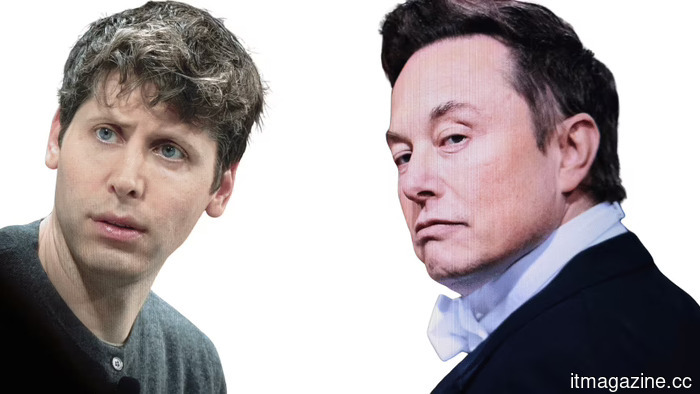 'Scam Altman': Musk and Altman's weekend clash on X
Over the weekend, Musk referred to Sam Altman as a 'scammer' on X following Apple's lawsuit against OpenAI. In response, Altman suggested that the lawsuit demonstrated the effectiveness of his new model. Here's a look at the ongoing conflict.
'Scam Altman': Musk and Altman's weekend clash on X
Over the weekend, Musk referred to Sam Altman as a 'scammer' on X following Apple's lawsuit against OpenAI. In response, Altman suggested that the lawsuit demonstrated the effectiveness of his new model. Here's a look at the ongoing conflict.
 The pressure on AI memory is not expected to alleviate until 2028.
The surge in AI has disrupted the boom-bust cycle of the memory market. The current memory shortage driven by AI is expected to persist until 2028, and the subsequent downturn could be unprecedented.
The pressure on AI memory is not expected to alleviate until 2028.
The surge in AI has disrupted the boom-bust cycle of the memory market. The current memory shortage driven by AI is expected to persist until 2028, and the subsequent downturn could be unprecedented.
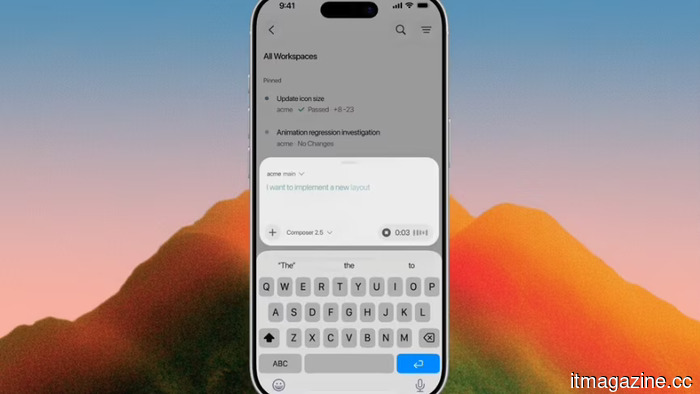 Cursor Sand: the competitor to Claude Cowork with a Musk twist.
Cursor Sand is a versatile agent designed to compete with Claude Cowork and ChatGPT Work. Whether it will be released by Musk’s SpaceX is still uncertain.
Cursor Sand: the competitor to Claude Cowork with a Musk twist.
Cursor Sand is a versatile agent designed to compete with Claude Cowork and ChatGPT Work. Whether it will be released by Musk’s SpaceX is still uncertain.
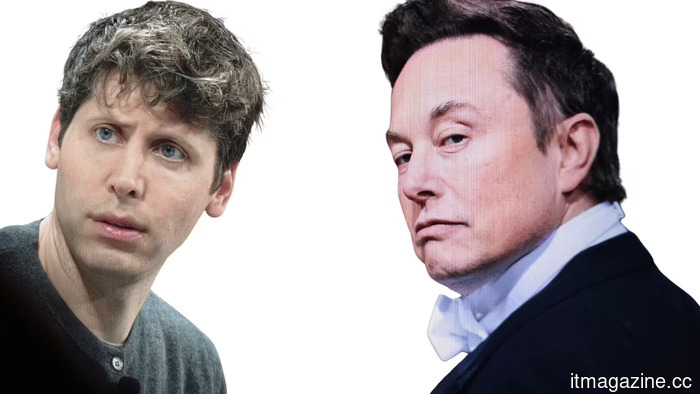 'Scam Altman': Musk and Altman's weekend conflict on X
Musk labeled Sam Altman a 'scammer' throughout the weekend on X following Apple's lawsuit against OpenAI. Altman responded by stating that it merely demonstrated the effectiveness of his new model. Here's a look at the clash.
'Scam Altman': Musk and Altman's weekend conflict on X
Musk labeled Sam Altman a 'scammer' throughout the weekend on X following Apple's lawsuit against OpenAI. Altman responded by stating that it merely demonstrated the effectiveness of his new model. Here's a look at the clash.
Australia's AI copyright dispute: creators against data centers.
AI companies, such as Anthropic, are offering billions for datacentres in exchange for a specific Australian AI copyright exemption to utilize domestic work for training. There is a division within the Labor Party on this issue.