
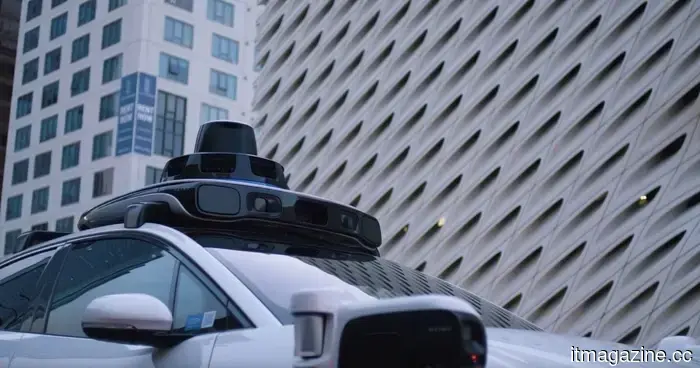
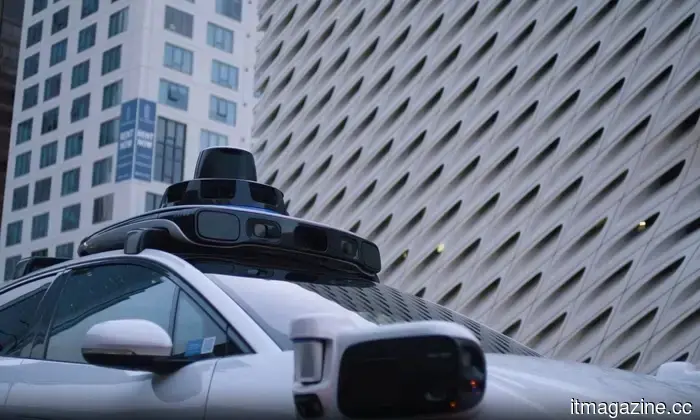
Self-driving vehicles are increasingly obstructing first responders, and the federal government has finally lost its patience.
Digital Trends may receive a commission if you make a purchase through links on our website. Why should you trust us?
Robotaxis are expected to enhance road safety, but first responders contend they are presenting significant challenges.
Self-driving vehicles are meant to improve safety on our roads, yet it appears they are doing just the opposite. This week, NHTSA administrator Jonathan Morrison addressed autonomous vehicle developers in a letter where he expressed serious concerns. He described the trend of driverless cars obstructing emergency responders as “unacceptable,” warning that a vehicle unable to safely navigate an emergency situation poses a threat to everyone nearby.
What are the issues?
Morrison highlighted that the NHTSA has identified a distinct pattern of autonomous vehicles driving into active emergency scenes, hindering ambulances and fire trucks, and not responding appropriately to flashing lights, fire hazards, or traffic cones. This problem isn’t new; according to a report from Wired, city officials had previously alerted the NHTSA about these concerns during a private meeting.
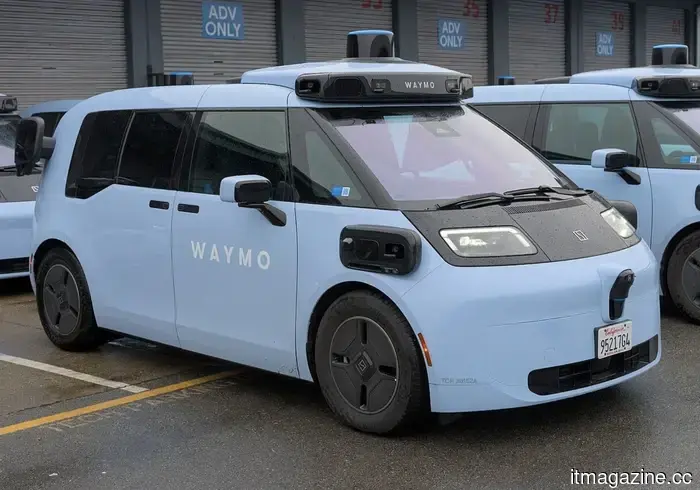
A fire chief from San Francisco indicated that Waymo vehicles regularly obstruct fire stations, while an Austin police officer acknowledged that the technology was deployed too rapidly and in too many vehicles before it was truly prepared.
To make matters worse, Austin first responders recounted an incident where a Waymo vehicle blocked an ambulance for two full minutes amidst a response to a mass shooting downtown. This represents a significant safety risk that could ultimately lead to loss of life.
What are the next steps?
Morrison is urging autonomous vehicle manufacturers to prioritize resolving these issues, and the NHTSA intends to meet with all impacted companies by the end of July to discuss potential solutions. He has also stated that enforcement actions could be taken if companies fail to improve their operations.
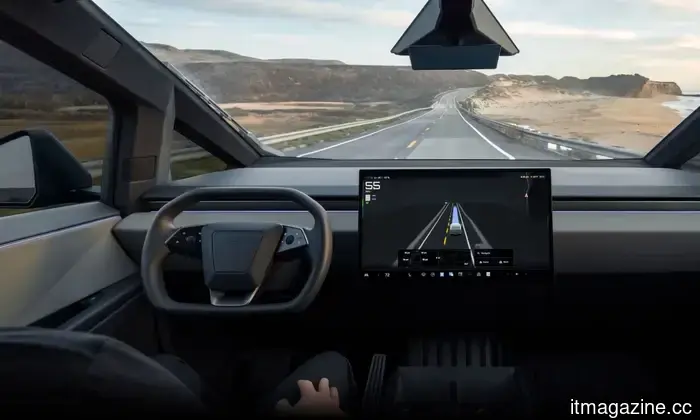
Interestingly, this alert arrives shortly after the Trump administration relaxed regulations, facilitating easier deployment for robotaxi companies like Tesla to introduce vehicles without steering wheels or mirrors. Consequently, as the pathway for AVs becomes broader, the expectation for them to demonstrate safe operation is increasing at a similar pace.
Rachit is a seasoned tech journalist with over ten years of experience in the consumer technology sector.
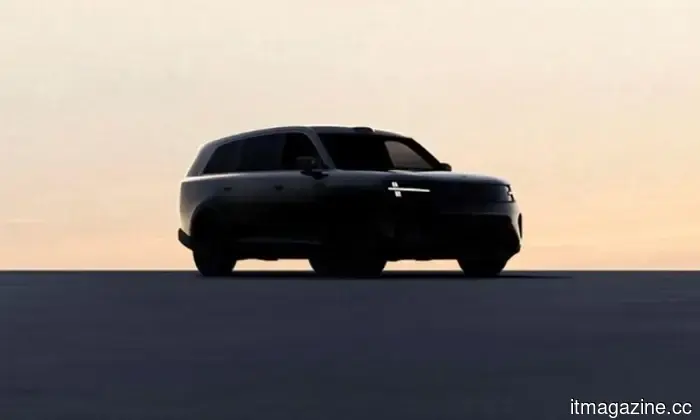
Xiaomi has created an SUV that can transform into a camping tent, boasting impressive range figures too.
Equipped with a pop-up camping roof, a 300-mile electric range, and a gas extender for trips off the grid, Xiaomi has transitioned from smartphone sales to producing electric cars, achieving profitability in just two years—a milestone that took Tesla a decade to reach. The automaker recently introduced a new EV sub-brand called Sky Nomad, targeting the outdoor and family lifestyle market. Notably, the inaugural vehicle from this lineup may feature a built-in retractable roof that can convert into a camping tent.
Chinese EV manufacturer Chery is offering to replace entire vehicles if battery malfunctions lead to fire damage.
In a bid to regain consumer trust, Chery has made a remarkable warranty commitment within the EV sector. If a battery fire damages a vehicle, the customer will receive a completely new car without any conditions or disclaimers regarding fault. While it may seem like a marketing tactic, the company is backing this promise with robust engineering.
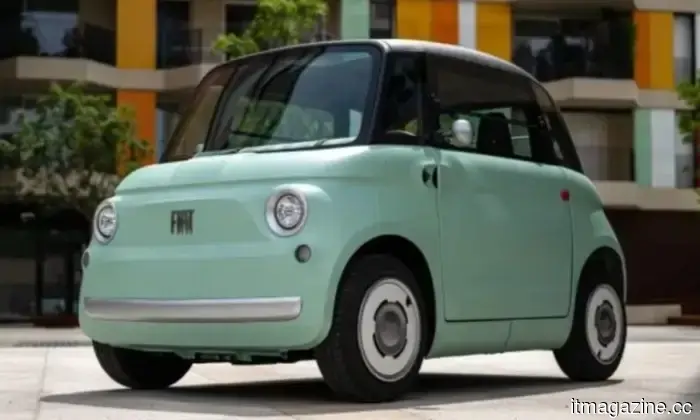
The Fiat Topolino is an adorable $14,000 vehicle that you cannot legally operate on most roads.
Fiat's Topolino brings an authentic Italian charm to American communities. Stellantis officially introduced the Fiat Topolino in the U.S. on July 7, 2026, with a starting price of $13,995 before additional fees. Despite being one of the most charming EVs to make its way across the Atlantic, it does come with significant limitations. It is a two-seat, fully electric low-speed vehicle, roughly the size of a golf cart, essentially because that is what it is.


Other articles
 Ollama secures $65 million for its open-model AI platform.
Ollama has secured $65 million in a Series B funding round led by Theory Ventures, bringing its total funding to $88 million, as its open-model runner approaches nearly 9 million developers.
Ollama secures $65 million for its open-model AI platform.
Ollama has secured $65 million in a Series B funding round led by Theory Ventures, bringing its total funding to $88 million, as its open-model runner approaches nearly 9 million developers.
 Following Samsung and Apple, Oppo may be the next to enter the expanding foldable market.
Oppo might enter the competition in the growing wide foldable market alongside Samsung and Apple, featuring a device powered by the Snapdragon 8 Gen 6 and equipped with a notably large 6,500mAh battery.
Following Samsung and Apple, Oppo may be the next to enter the expanding foldable market.
Oppo might enter the competition in the growing wide foldable market alongside Samsung and Apple, featuring a device powered by the Snapdragon 8 Gen 6 and equipped with a notably large 6,500mAh battery.
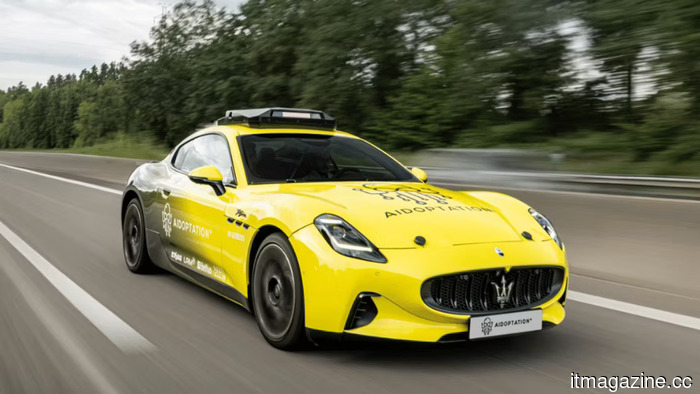 EU's inaugural Level 4 self-driving highway trial: Aidoptation
Belgium's Aidoptation has secured the EU's initial permit to conduct tests of a Level 4 self-driving vehicle on motorways at speeds of 120 km/h, employing deterministic models rather than artificial intelligence.
EU's inaugural Level 4 self-driving highway trial: Aidoptation
Belgium's Aidoptation has secured the EU's initial permit to conduct tests of a Level 4 self-driving vehicle on motorways at speeds of 120 km/h, employing deterministic models rather than artificial intelligence.
 Google's Photos app has just provided Android users with yet another reason to be envious of iPhone users.
Google Photos for Android is now receiving the floating redesign that iPhone users have enjoyed for several months, resulting in a cleaner interface and a more prominent placement for the Gemini-powered Ask Photos feature.
Google's Photos app has just provided Android users with yet another reason to be envious of iPhone users.
Google Photos for Android is now receiving the floating redesign that iPhone users have enjoyed for several months, resulting in a cleaner interface and a more prominent placement for the Gemini-powered Ask Photos feature.
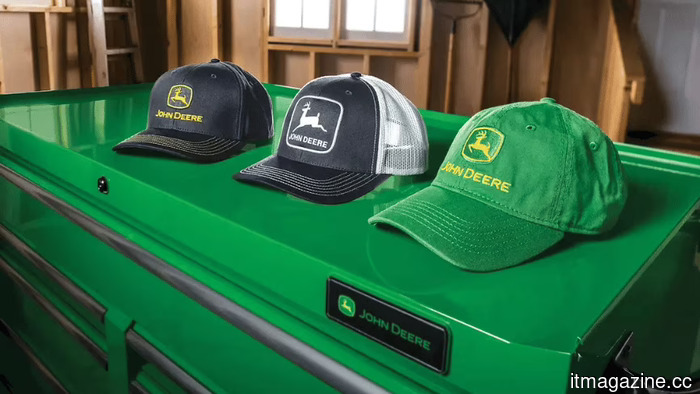 John Deere's victory regarding the right-to-repair primarily concerns software.
The settlement between the FTC and John Deere marks the largest right-to-repair victory in the US so far, serving as a cautionary tale regarding software lock-in for all the devices you possess.
John Deere's victory regarding the right-to-repair primarily concerns software.
The settlement between the FTC and John Deere marks the largest right-to-repair victory in the US so far, serving as a cautionary tale regarding software lock-in for all the devices you possess.
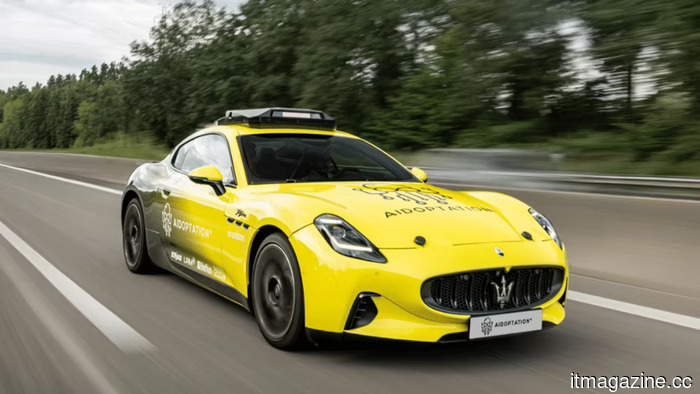 EU's inaugural Level 4 autonomous driving highway test: Aidoptation
Belgium's Aidoptation has secured the EU's inaugural permit to test a Level 4 self-driving vehicle on highways at a speed of 120 km/h, employing deterministic models rather than AI.
EU's inaugural Level 4 autonomous driving highway test: Aidoptation
Belgium's Aidoptation has secured the EU's inaugural permit to test a Level 4 self-driving vehicle on highways at a speed of 120 km/h, employing deterministic models rather than AI.
Self-driving vehicles are increasingly obstructing first responders, and the federal government has finally lost its patience.
The head of NHTSA reports that autonomous vehicles are repeatedly obstructing ambulances and fire trucks, and he is setting a deadline for companies to address the issue.