
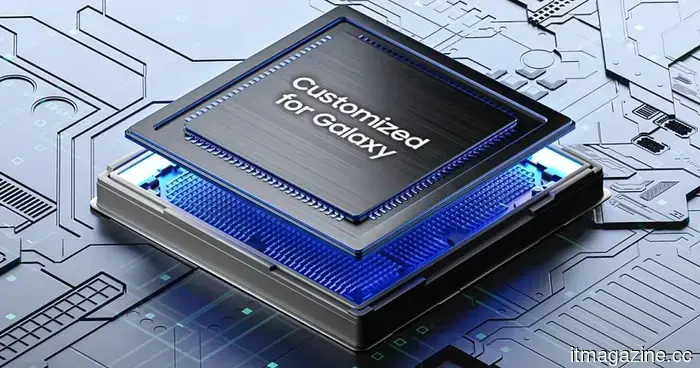
Samsung aims to incorporate its own chip into your next PC, with a focus on enhancing the speed of AI tasks.
Samsung
Samsung appears to be gearing up for a new venture into the PC chip industry. A recent report from the Korea Economic Daily indicates that Samsung's System LSI division is working on a dedicated AI accelerator for PCs named Gaia. It is said that early samples have been provided to Lenovo and HP for testing purposes, with mass production possibly commencing as soon as 2027.
Notable Samsung insider Ice Universe characterized this initiative as the company's re-entry into the PC processor market after nearly 13 years. However, the specifics suggest that it may not function as a traditional laptop processor. Instead, Gaia is likely to be a specialized companion chip designed for handling artificial intelligence tasks, rather than a straightforward substitute for the CPUs from Intel, AMD, or Qualcomm.
BREAKING! Samsung Electronics is set to make a comeback in the PC arena with a novel strategy. A report from South Korean news agency News1 states that Samsung’s System LSI Business is independently developing a new System-on-Chip (SoC) known as "Gaia." — Ice Universe (@UniverseIce) July 9, 2026
Gaia would complement your PC’s primary processor.
Samsung is expected to fabricate Gaia using a 4-nanometer process. Its design is based on an advanced neural processing unit (NPU) that can accelerate generative AI and other on-device tasks without frequent reliance on cloud infrastructure. The company is also looking into the integration of processing-in-memory technology.
PIM essentially allows certain computations to occur directly within memory, thereby minimizing data transfer between the processor and RAM. Consequently, Samsung could potentially integrate Gaia with its own memory products, affording it greater control over critical aspects of the AI computing workflow.
Many significant details remain unconfirmed. The report does not disclose Gaia’s AI performance metrics, power consumption, or other crucial specifications. Hence, a direct comparison to Qualcomm's Snapdragon X2 processors or Nvidia's more powerful RTX Spark platform isn't feasible. Nevertheless, a specialized discrete accelerator could enable PC manufacturers to enhance local AI capabilities without needing to reconfigure an entire laptop around a new processor architecture.
This is not Samsung's first venture into PC chips.
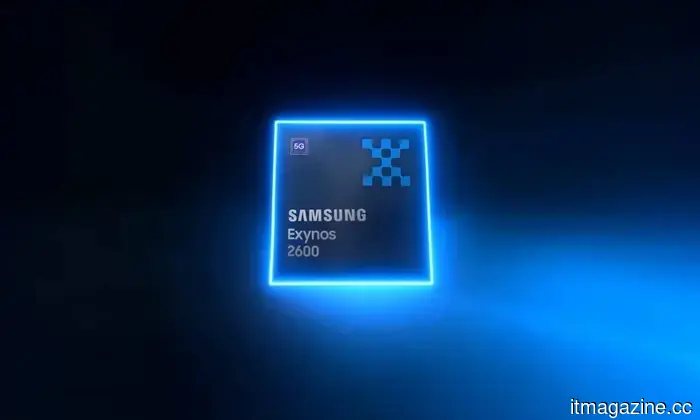
Samsung’s Exynos 2600 features a dedicated NPU for on-device AI tasks.
In addition to being a chip supplier for major firms such as Nvidia and AMD, Samsung's experience in PC silicon dates back over ten years. The company’s Exynos 5 chips powered some Chromebooks in the early 2010s.
Currently, Samsung’s Galaxy Book laptops predominantly utilize processors from Intel and Qualcomm. For instance, the newly introduced Galaxy Book6 Edge employs Qualcomm’s Snapdragon X2 Elite. Gaia might eventually provide Samsung with its own proprietary component in that hardware ecosystem once more.
Vikhyaat Vivek is a tech journalist and reviewer with seven years of experience focusing on consumer hardware.
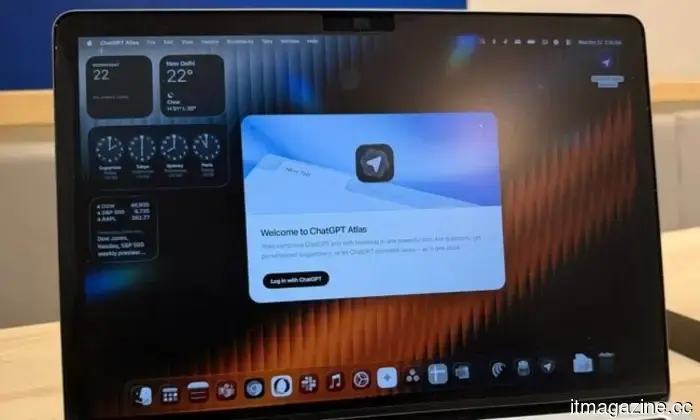
OpenAI is discontinuing ChatGPT Atlas browser, which I enjoyed, but it faced tough competition.
The browser was innovative in several aspects before it was imitated. When OpenAI first introduced its web browser, many questioned why a leading AI lab would venture into this area. Nevertheless, the company proceeded with the launch of ChatGPT Atlas, incorporating numerous AI features. Now, the browser’s future has come to an end, with plans for its discontinuation in September of this year. OpenAI states that it is retiring the short-lived browser to prioritize the new ChatGPT work desktop app, which already features a built-in browser along with a cloud browser for AI agents. Furthermore, as ChatGPT expands to other browsers like Chrome through an extension, the necessity for maintaining a dedicated browser project diminishes.
Read more
Windows 11 Search is expanding, but only by 4 pixels.
This adjustment might be a precursor to the upcoming Ask Copilot feature.
If you’ve used Windows 11 Search since the June update, you may have noticed an improvement in its functionality. Microsoft has recently made the Start menu and Search more responsive, and it has also resolved one of Search's more peculiar limitations by allowing local file searches with just two characters. Microsoft now seems to be making a much smaller alteration. According to Windows Central, it has been revealed that the search box in the Taskbar and Start menu will increase in height by 4 pixels. Though four pixels might seem negligible, screenshots from the Insider Preview build indicate that it is noticeable when you know where to look.
Read more
Claude Reflect has launched. It’s similar to a yearly summary but from Anthropic’s AI.
It also encourages users to reflect on their usage and reminds them to take breaks.
Anthropic has just introduced a usage analytics dashboard for Claude. This feature resembles the 'Wrapped' feature often announced by various streaming or AI services at the end of the year, although it's not branded as Claude Wrapped. The feature, named Claude Reflect, goes beyond simply summarizing your AI interactions. It is available in beta for free, Pro, and Max users who have activated memory, and it promotes mindful



Other articles
 A survey reveals that parents are concerned that AI is becoming a dependency for their children, while schools are finding it challenging to adapt.
A recent survey conducted by Deloitte discovered that 49% of parents are concerned their child depends too heavily on AI, whereas only 33% of schools have established any AI-related guidelines.
A survey reveals that parents are concerned that AI is becoming a dependency for their children, while schools are finding it challenging to adapt.
A recent survey conducted by Deloitte discovered that 49% of parents are concerned their child depends too heavily on AI, whereas only 33% of schools have established any AI-related guidelines.
 Securing Shadow IT within the corporate setting.
Shadow IT introduces security vulnerabilities within enterprises that go unmonitored, unpatched, and lack proper access controls. This article explores the increasing risks associated with unsanctioned SaaS, shadow AI, and geopolitical data sovereignty issues, as well as how vendor risk assessments tackle the third-party aspect on a large scale.
Securing Shadow IT within the corporate setting.
Shadow IT introduces security vulnerabilities within enterprises that go unmonitored, unpatched, and lack proper access controls. This article explores the increasing risks associated with unsanctioned SaaS, shadow AI, and geopolitical data sovereignty issues, as well as how vendor risk assessments tackle the third-party aspect on a large scale.
 Self-driving vehicles are increasingly obstructing first responders, and the federal government has finally lost its patience.
The head of NHTSA reports that autonomous vehicles are repeatedly obstructing ambulances and fire trucks, and he is setting a deadline for companies to address the issue.
Self-driving vehicles are increasingly obstructing first responders, and the federal government has finally lost its patience.
The head of NHTSA reports that autonomous vehicles are repeatedly obstructing ambulances and fire trucks, and he is setting a deadline for companies to address the issue.
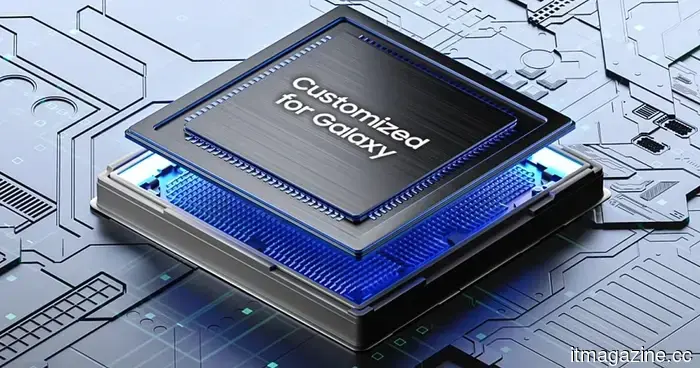 Samsung aims to incorporate its own chip into your next PC, focusing on enhancing AI tasks.
Samsung's rumored Gaia accelerator may introduce specialized on-device AI hardware to upcoming PCs, positioning the company in a competitive landscape alongside Nvidia and Qualcomm.
Samsung aims to incorporate its own chip into your next PC, focusing on enhancing AI tasks.
Samsung's rumored Gaia accelerator may introduce specialized on-device AI hardware to upcoming PCs, positioning the company in a competitive landscape alongside Nvidia and Qualcomm.
 Following Samsung and Apple, Oppo may be the next to enter the expanding foldable market.
Oppo might enter the competition in the growing wide foldable market alongside Samsung and Apple, featuring a device powered by the Snapdragon 8 Gen 6 and equipped with a notably large 6,500mAh battery.
Following Samsung and Apple, Oppo may be the next to enter the expanding foldable market.
Oppo might enter the competition in the growing wide foldable market alongside Samsung and Apple, featuring a device powered by the Snapdragon 8 Gen 6 and equipped with a notably large 6,500mAh battery.
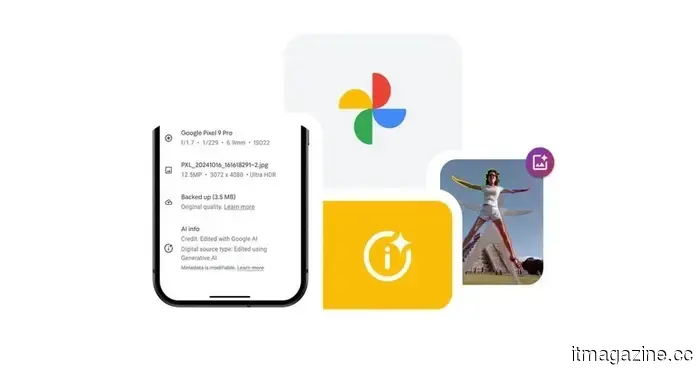 Google's Photos app has just provided Android users with yet another reason to feel envious of iPhone users.
Google Photos for Android is finally receiving the floating redesign that iPhone users have enjoyed for several months, resulting in a cleaner interface and placing Gemini-powered Ask Photos in a more noticeable position.
Google's Photos app has just provided Android users with yet another reason to feel envious of iPhone users.
Google Photos for Android is finally receiving the floating redesign that iPhone users have enjoyed for several months, resulting in a cleaner interface and placing Gemini-powered Ask Photos in a more noticeable position.
Samsung aims to incorporate its own chip into your next PC, with a focus on enhancing the speed of AI tasks.
Samsung's rumored Gaia accelerator may introduce specialized on-device AI hardware for upcoming PCs, putting the company in a more competitive landscape alongside Nvidia and Qualcomm.