
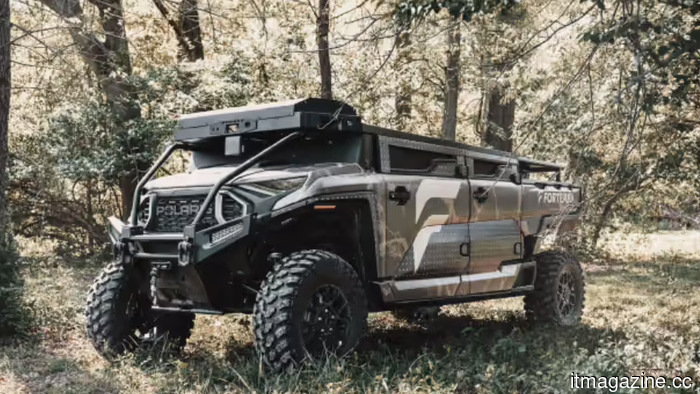
More than 100 autonomous ATVs manufactured in the US have been engaged in combat in Ukraine for the past nine months.
Forterra has deployed over 100 autonomous ATVs in Ukraine since October, completing 1,100 missions and 52 casualty evacuations, marking the largest deployment of combat unmanned ground vehicles (UGVs) by any US defense technology company. The US-based developer of autonomous vehicles disclosed that its self-driving ATVs have been operating in combat zones in Ukraine for the past nine months. Since their arrival in October, these vehicles have traveled over 2,500 miles, transported 777,440 pounds of cargo, and conducted 52 casualty evacuations.
These Lancer vehicles, which are based on Polaris ATVs, have been equipped with a specialized sensor and computing system. They are powered by gasoline and can carry 750 kilograms—three times more than Ukraine’s own battery-powered UGVs. A Ukrainian soldier remarked to TechCrunch, "This UGV for logistics and maintaining our defense is the most significant UGV in Ukraine. It's outstanding, and we are eager for more."
The UGV deployment was financed by US defense funds as part of the initiative to enhance the US military's support for Ukrainian resistance. Aerial drones have established extensive no-go zones, resulting in surveillance leading to attacks from above, prompting Ukrainian strategists to lean towards ground-based autonomy. However, some Lancers have been lost in combat, particularly when mired in deep mud, making them vulnerable to Russian forces. A modification that integrated a Starlink antenna has rendered the vehicles more operationally effective. Ukraine's unmanned warfare industry is already fostering billion-dollar companies, and the Forterra deployment contributes a US hardware component to this ecosystem.
The limitations of autonomy are apparent, as Ukrainian soldiers have primarily been manually operating the vehicles in combat situations, since the autonomous systems cannot yet recognize unexpected enemy forces or respond suitably. "We actually need to be able to address enemy threats live, when they are directly in front of us, which is something autonomy hasn’t mastered yet," the soldier stated. Forterra is currently working on merging traditional robotics algorithms with generative AI to facilitate more adaptable responses.
The key request from the Ukrainian soldiers is for cost reductions. While Forterra’s Lancers utilize Polaris's commercial supply chain to keep costs low, they remain too valuable to be deployed as freely as drones. "Attrition is simply a reality of this battlefield; we've lost a few, and it has been painful, and we need more but require them to be cheaper," the soldier explained to TechCrunch. The Pentagon's focus on drone dominance is fueling significant investments into autonomous military vehicles, with competitors like Scout AI ($100 million raised), Field AI, and Overland AI also testing UGVs with the US military. Forterra has secured over $500 million in venture capital.
Other articles
 This VR empathy game might just be the beginning of something far more unsettling.
Rekindle employs facial recognition biometrics to transform emotions into gameplay, but this concept could ultimately advance emotion-sensitive technology in therapy, safety systems, and interfaces that monitor more than just clicks.
This VR empathy game might just be the beginning of something far more unsettling.
Rekindle employs facial recognition biometrics to transform emotions into gameplay, but this concept could ultimately advance emotion-sensitive technology in therapy, safety systems, and interfaces that monitor more than just clicks.
 This virtual reality empathy game might be the beginning of something far more unsettling.
Rekindle employs facial recognition biometrics to translate emotions into gameplay. However, this concept could also advance emotion-sensitive technology in areas like therapy, safety mechanisms, and user interfaces that monitor more than just clicks.
This virtual reality empathy game might be the beginning of something far more unsettling.
Rekindle employs facial recognition biometrics to translate emotions into gameplay. However, this concept could also advance emotion-sensitive technology in areas like therapy, safety mechanisms, and user interfaces that monitor more than just clicks.
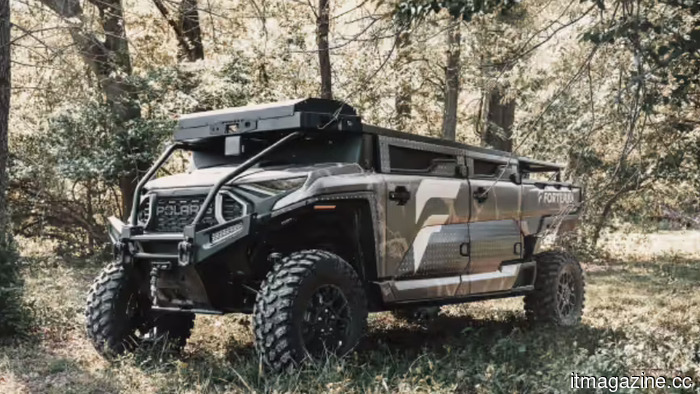 More than 100 autonomous ATVs made in the US have been engaged in combat in Ukraine for nine months.
Forterra's Lancer vehicles have accomplished 1,100 missions and carried out 52 casualty evacuations in Ukraine. Soldiers continue to operate them remotely, as autonomous systems cannot respond to threats.
More than 100 autonomous ATVs made in the US have been engaged in combat in Ukraine for nine months.
Forterra's Lancer vehicles have accomplished 1,100 missions and carried out 52 casualty evacuations in Ukraine. Soldiers continue to operate them remotely, as autonomous systems cannot respond to threats.
 Victims of Predatorgate file a lawsuit against the spyware company Intellexa.
Eight victims of Greece's Predatorgate scandal are taking legal action against spyware company Intellexa and 13 individuals, seeking €1 million each due to phone hacking incidents that occurred in 2020–2021.
Victims of Predatorgate file a lawsuit against the spyware company Intellexa.
Eight victims of Greece's Predatorgate scandal are taking legal action against spyware company Intellexa and 13 individuals, seeking €1 million each due to phone hacking incidents that occurred in 2020–2021.
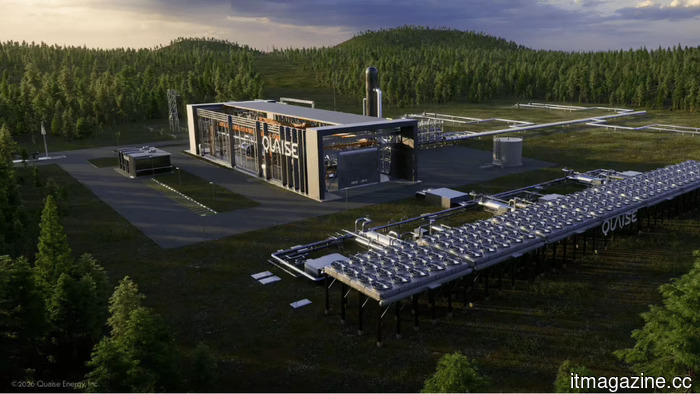 Quaise secures $134 million for superhot geothermal drilling.
Geothermal startup Quaise Energy has secured a $134 million initial close of its Series B funding round, with Prelude Ventures leading the investment, to drill into superhot rock using millimeter-wave beams.
Quaise secures $134 million for superhot geothermal drilling.
Geothermal startup Quaise Energy has secured a $134 million initial close of its Series B funding round, with Prelude Ventures leading the investment, to drill into superhot rock using millimeter-wave beams.
 ECB advises banks to prepare for AI-related cyber threats.
The ECB has instructed euro-zone banks to present action plans addressing frontier-AI cyber threats by the end of October, as EU regulators highlight a "serious" systemic risk.
ECB advises banks to prepare for AI-related cyber threats.
The ECB has instructed euro-zone banks to present action plans addressing frontier-AI cyber threats by the end of October, as EU regulators highlight a "serious" systemic risk.
More than 100 autonomous ATVs manufactured in the US have been engaged in combat in Ukraine for the past nine months.
Forterra's Lancer vehicles accomplished 1,100 missions and 52 casualty evacuations in Ukraine. Soldiers continue to teleoperate these vehicles since their autonomous capabilities are unable to respond to threats.